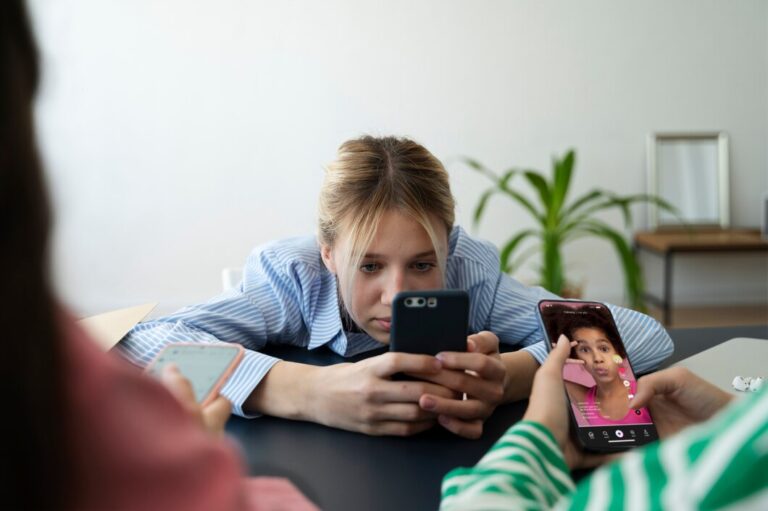
In a world filled with constant notifications, packed schedules, and pressure to achieve more, choosing a slow living lifestyle can create much-needed space for mental health and emotional balance. The mental health benefits of slow living are not about abandoning responsibilities or moving through life without ambition. Instead, slow living encourages mindful living, intentional living, and meaningful choices that can support mental wellness, reduce unnecessary stress, and create a more peaceful lifestyle. By embracing a slower approach, you can develop healthier routines, improve your relationship with time, and discover the mental health perks of slow living in everyday life.
What Is Slow Living?
Slow living is a lifestyle philosophy centered on being more present, thoughtful, and intentional about how you spend your time. Rather than constantly rushing from one task to another, it encourages you to pause, notice your surroundings, and focus on what genuinely matters.
The idea does not mean that every part of life needs to become slow. You can still have career goals, family responsibilities, social commitments, and personal ambitions. The difference is that you become more selective about where you place your energy.
A slow approach to life may involve eating meals without distractions, taking a walk without checking your phone, spending meaningful time with loved ones, enjoying hobbies, creating calmer mornings, or simply allowing yourself to rest without feeling guilty.
At its heart, slow living is about quality rather than constant quantity. This shift can have a positive influence on mental health, particularly when modern routines leave little room for rest or reflection.
Why Slow Living Matters for Mental Health
Modern life often rewards speed. We are encouraged to answer messages quickly, complete more tasks, multitask, stay connected, and remain productive throughout the day. While technology and productivity can be helpful, constantly operating at maximum speed can make it difficult to relax.
This is where the slow living benefits become particularly meaningful.
Slowing down can create opportunities to recognize your emotions, identify sources of stress, and make conscious decisions instead of reacting automatically. It can also help you establish boundaries between work, personal life, technology, and rest.
The connection between slow living and mental wellness comes from these small but consistent changes. When your daily environment becomes less chaotic, your mind may have more opportunities to recover from the demands of everyday life.
1. Slow Living Can Help Reduce Everyday Stress
One of the most noticeable benefits of slow living for mental health is its potential to support stress management.
A constantly busy schedule can make even simple responsibilities feel overwhelming. When every minute is planned, there may be little room for unexpected events, rest, or personal needs.
Slow living for stress reduction encourages a different approach. Instead of filling every available moment, you can create breathing space within your day.
For example, you might:
- Start your morning without immediately checking notifications.
- Leave extra time between appointments.
- Eat meals at a comfortable pace.
- Take short breaks during work.
- Spend a few minutes outdoors.
- Avoid unnecessarily overloading your schedule.
These slow living habits for reducing stress can make your daily routine feel more manageable. The goal is not to eliminate every source of stress but to avoid creating additional pressure through constant rushing.
2. It Encourages Mindfulness
Mindfulness is an important part of slow living. It involves paying attention to the present moment rather than constantly thinking about the past or worrying about the future.
When you practice mindful slow living, ordinary activities can become opportunities for awareness.
Drinking tea can become a moment to notice its aroma and warmth. Walking can become an opportunity to observe your surroundings. Cooking can become a creative experience rather than another task to complete as quickly as possible.
These mindful habits can encourage you to become more aware of your thoughts and feelings.
Over time, this awareness may help you recognize when you are becoming overwhelmed. Instead of automatically responding to stress, you can pause and choose a healthier response.
3. Slow Living Can Support a Calmer Mind
If your days constantly feel rushed, your mind may rarely experience genuine downtime. Even when you are physically resting, you might continue thinking about unfinished work, messages, deadlines, or upcoming responsibilities.
Creating a slow lifestyle for a calmer mind means deliberately making room for mental pauses.
You could spend a few minutes sitting quietly in the morning, enjoy an evening walk, read a book before bed, or simply sit somewhere peaceful without trying to be productive.
These moments may seem insignificant, but consistent periods of quiet can become valuable parts of your routine.
A calmer schedule does not guarantee that your mind will always feel calm. However, it can create conditions that make relaxation and reflection easier.
4. Intentional Living Helps You Prioritize What Matters
Another important connection between slow living and mental health is intentionality.
Intentional living means making conscious decisions about your time, energy, relationships, possessions, and priorities. Instead of automatically saying yes to every opportunity, you learn to ask whether something genuinely supports your goals and values.
This explains how intentional living improves mental health for many people. When your commitments are aligned with what matters to you, your life may feel more meaningful and manageable.
Try asking yourself:
- What activities genuinely make me feel fulfilled?
- Which commitments consistently drain my energy?
- What do I want more time for?
- What distractions can I reduce?
- Which relationships deserve more attention?
- What does a balanced day look like for me?
These questions can help you create a lifestyle based on conscious choices rather than constant external pressure.
5. It May Support Anxiety Relief
Slow living should not be viewed as a treatment for anxiety disorders, but certain slow-living practices may help create a calmer daily environment.
Slow living for anxiety relief can include simple practices such as reducing unnecessary stimulation, creating predictable routines, spending time in nature, limiting excessive notifications, and practicing mindful breathing.
When life feels chaotic, having a few familiar calming habits can provide structure.
For example, an evening routine might include preparing a simple meal, taking a gentle walk, putting your phone away, reading for a while, and going to bed at a consistent time.
Such routines may support emotional wellness by creating a clearer transition from active periods to rest.
If anxiety is persistent, severe, or interfering with daily life, professional mental health support is important. Slow living can complement healthy self-care, but it should not replace appropriate treatment.
6. Slow Living Supports Emotional Well-Being
Many people move through busy days without having time to understand what they are feeling. They may suppress frustration, ignore exhaustion, or continue working despite emotional overload.
Slow living and emotional well-being are connected because slowing down creates opportunities for self-awareness.
When you have quiet moments, you can ask yourself how you actually feel rather than simply pushing forward.
Journaling, walking, meditation, creative activities, or having an honest conversation with someone you trust can help you process emotions.
The goal is not to analyze every feeling. Instead, it is to create enough space to notice your emotional needs.
This is one of the valuable ways slow living supports mental wellness: it encourages you to treat emotional awareness as part of everyday life rather than something that only matters during a crisis.
7. It Can Improve Work-Life Balance
A major source of stress is the inability to mentally disconnect from work.
Emails, workplace chats, notifications, and remote working arrangements can make professional responsibilities feel like they are always present.
Slow living encourages stronger boundaries and can support a healthier work-life balance.
You might establish a rule that work notifications are turned off after a particular time. You could create a separate space for work if you work from home. You might also protect weekends or certain evenings for family, hobbies, rest, and personal activities.
A balanced routine allows you to recognize that productivity is only one part of life.
Rest is not wasted time. It can be an important part of maintaining long-term mental wellness.
8. Digital Detox Can Create Mental Space
Technology can make life easier, but constant digital stimulation can make it difficult to focus and relax.
A digital detox does not necessarily require giving up technology completely. Instead, it means becoming more deliberate about when and how you use digital devices.
Consider creating technology-free periods during your day.
For example, you could:
- Keep your phone away during meals.
- Avoid checking social media immediately after waking.
- Turn off unnecessary notifications.
- Create a screen-free bedtime routine.
- Take occasional walks without your phone.
- Set specific times for checking messages.
These mindful habits can help you regain control over your attention.
The objective is not to reject technology. It is to prevent technology from controlling every quiet moment.
9. Simple Living Can Reduce Mental Clutter
Physical clutter and mental clutter often influence how our environments feel.
A simple living approach encourages you to be more selective about possessions, commitments, activities, and distractions.
You do not need to completely redesign your home or become a minimalist. Even small changes can make a difference.
Cleaning one drawer, organizing your workspace, simplifying your morning routine, or removing unnecessary commitments can make everyday life feel less complicated.
These simple living habits for mental wellness can help you create an environment where relaxation becomes easier.
10. Slow Living Encourages Better Self-Care
Self-care is sometimes presented as expensive treatments, elaborate routines, or occasional vacations. In reality, self-care can be much simpler.
Getting enough sleep, eating nourishing meals, taking breaks, spending time with supportive people, enjoying hobbies, and giving yourself permission to rest are all examples of everyday self-care.
Slow living makes these activities easier to prioritize because it challenges the idea that every moment must be productive.
Instead of asking, “What else can I accomplish?You can pause and gently consider, “What do I truly need for my mind and body at this moment?”
That simple question can change how you approach personal well-being.
11. Nature and Slow Living Go Hand in Hand
Spending time outdoors is another way to incorporate slow living into your routine.
A walk through a park, sitting in a garden, watching a sunset, or simply opening a window and noticing the environment can provide a welcome break from digital stimulation.
Nature-based activities can also encourage mindfulness because they naturally invite you to notice sounds, textures, movement, light, and changes in the environment.
You don’t have to organize a big or complicated outdoor activity. Even 10 or 20 minutes outside can become a small ritual within your day.
12. Slow Living Can Make Ordinary Moments More Meaningful
One of the deeper mental health perks of slow living is learning to appreciate ordinary experiences.
Modern culture often emphasizes major achievements, exciting experiences, and constant improvement. Slow living shifts some attention toward everyday satisfaction.
Cooking dinner with family, drinking coffee in the morning, watering plants, listening to music, reading, or talking with a friend can become meaningful moments.
This approach encourages gratitude and presence without requiring you to constantly search for the next big experience.
How to Start Slow Living for Better Mental Health
If you are wondering how to start slow living for better mental health, begin with small changes instead of attempting to transform your entire lifestyle overnight.
Start With One Slow Moment
Choose one part of your day to slow down.
It could be breakfast, your morning coffee, your evening shower, or a short walk.
Use this time to focus on the activity without multitasking.
Create a Peaceful Morning Routine
A creating a peaceful slow living routine approach can begin with simple morning habits.
Instead of immediately reaching for your phone, try drinking water, stretching, opening a window, journaling, or sitting quietly for a few minutes.
You can then begin your responsibilities with greater awareness.
Practice Single-Tasking
Multitasking can make your day feel fragmented.
Try completing one task before immediately moving to another. When eating, eat. When talking, listen. When you’re working, give your full attention to the task you’re currently handling.
This simple approach can strengthen attention and make activities feel less rushed.
Protect Your Evening
Your evening should not feel like another race against the clock.
Create a transition between daytime responsibilities and nighttime rest. Dim the lights, reduce unnecessary screen time, prepare something warm to drink, read, stretch, or listen to relaxing music.
A consistent evening routine can become one of the most practical slow living tips for better mental well-being.
Mindful Slow Living Practices to Try
There are many mindful slow living practices you can incorporate into everyday life.
Mindful Eating
Put away your phone and focus on your food. Notice the taste, texture, aroma, and experience of eating.
Slow Walking
Walk without rushing. Notice your breathing, surroundings, sounds, and physical sensations.
Journaling
Spend five to ten minutes writing about your thoughts, emotions, priorities, or things you appreciate.
Conscious Breathing
Pause for a few slow breaths when you notice tension building.
Reading
Replace some scrolling time with a physical book or another relaxing activity.
Intentional Scheduling
Avoid filling every hour. Leave some space between responsibilities.
Technology Boundaries
Create periods when notifications and social media are intentionally unavailable.
These practices can become small anchors that support stress management, mindfulness, and emotional balance.
Creating a Stress-Free Lifestyle Without Chasing Perfection
A stress-free lifestyle does not mean a life without problems. Stress is a normal part of being human, and difficult situations cannot always be avoided.
The purpose of slow living is to change how you relate to everyday demands.
Rather than trying to control everything, you can focus on what is within your control: your routines, boundaries, attention, priorities, and responses.
You might still have busy days. You might occasionally fall behind. You might have deadlines, family responsibilities, or unexpected challenges.
Slow living is not about perfection.
It is about returning to balance whenever possible.
Common Misconceptions About Slow Living
Some people believe slow living means being lazy, unproductive, or disconnected from ambition. That is not necessarily true.
You can pursue meaningful goals while maintaining a slower rhythm.
In fact, slowing down may help you determine which goals actually matter to you. When you stop constantly responding to outside pressure, you may have more clarity about your own priorities.
Another misconception is that slow living requires a rural home, expensive wellness experiences, or a minimalist lifestyle.
It does not.
Slow living can happen in a busy city, a small apartment, a family home, or a demanding professional environment. The philosophy can be adapted to your circumstances.
Building Sustainable Slow Living Habits
The best approach is to make changes that are realistic enough to maintain.
Instead of promising yourself that you will never use social media again, start with a 30-minute technology-free period.
Instead of completely changing your schedule, protect one quiet evening each week.
Instead of eliminating every unnecessary commitment, learn to say no to one thing that does not fit your priorities.
Small changes are easier to maintain and can gradually become part of your lifestyle.
Consistency matters more than intensity.
Slow Living and Long-Term Mental Wellness
The value of slow living comes from the accumulation of small choices.
One mindful meal will not transform your entire emotional state. One walk will not eliminate every source of stress. One digital detox will not permanently change your relationship with technology.
But repeated habits can influence the way you experience everyday life.
When you regularly create space for rest, mindfulness, relationships, nature, hobbies, and reflection, your routine may become more balanced.
That is why the mental health benefits of slow living are best understood as lifestyle-supportive practices rather than instant solutions.
Final Thoughts
The modern world often tells us that faster is better, but your mental health does not always benefit from constant speed. Slow living offers another possibility: a life shaped by awareness, intention, balance, and meaningful experiences.
The slow living benefits can come from very simple decisions—putting your phone away during dinner, taking a mindful walk, creating healthier work boundaries, simplifying your schedule, enjoying quiet moments, or giving yourself permission to rest.
Whether your goal is slow living for stress reduction, greater emotional awareness, improved work-life balance, or simply a calmer daily rhythm, you can begin with one small habit.
The most important lesson of how slow living improves mental health is that you do not need to escape your life to experience more peace within it. You can begin by changing the way you move through the life you already have.
Choose fewer distractions. Make room for meaningful moments. Practice mindfulness. Protect your energy. Prioritize relationships and rest.
Over time, these choices can help you build a more intentional, peaceful, and sustainable approach to everyday mental wellness.
About the Author