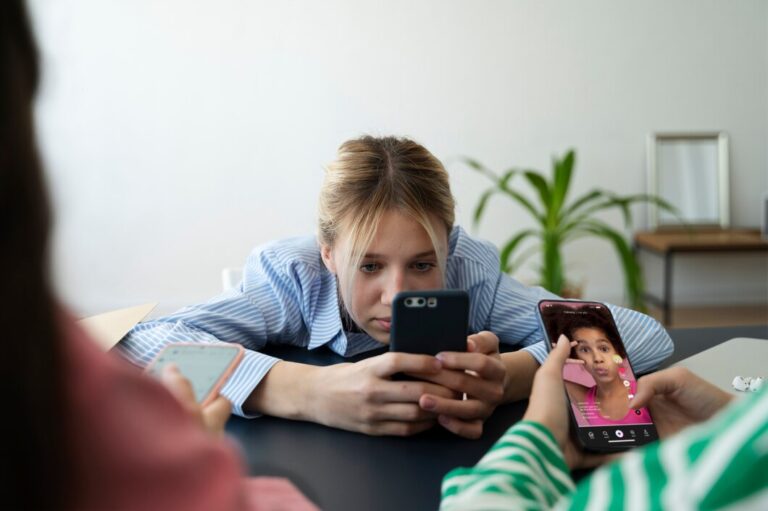
Modern life often rewards speed, constant productivity, and staying connected around the clock. Yet mental health can benefit when we deliberately create more space between one activity and the next. Slow living is an approach that encourages people to reduce unnecessary rushing, pay closer attention to ordinary experiences, and make intentional choices about time, work, relationships, and rest. The benefits of slow living are not about abandoning ambition or avoiding responsibilities. Instead, a slow living lifestyle can help create a healthier rhythm in which productivity, recovery, connection, and enjoyment have room to coexist.
What Is Slow Living?
Slow living is a lifestyle philosophy centered on intentionality, awareness, and a more thoughtful relationship with time. It encourages people to question the pressure to do everything quickly and decide what genuinely deserves their attention.
At its heart, living slowly does not necessarily mean doing everything at a slow physical pace. Someone can have a demanding job, care for a family, exercise regularly, and still practice slow living. The difference is that they deliberately create moments of presence instead of allowing every part of life to become a race against the clock.
This approach is closely connected to mindful living, intentional living, and a mindful lifestyle. Rather than automatically following every demand, notification, invitation, or expectation, you pause and ask whether an activity supports the life you want to build.
The Connection Between Slow Living and Mental Health
The relationship between slow living and mental health is largely about reducing the conditions that keep the mind constantly activated. A packed schedule, continuous notifications, multitasking, and insufficient recovery can make it difficult to switch off.
Creating a slower rhythm can provide opportunities to pause, notice emotions, enjoy ordinary experiences, and recover attention. This does not mean slow living is a replacement for professional mental health care. Instead, it can complement healthy routines and support everyday emotional well-being.
The relationship between mental health and slow living can also be understood through attention. When your attention is repeatedly divided, even enjoyable activities can feel rushed. When you intentionally focus on one experience at a time, ordinary moments may feel more meaningful.
1. Slow Living Can Help Reduce Everyday Stress
One of the most noticeable slow lifestyle benefits is creating more breathing room in a busy routine.
When every hour is scheduled, small delays can feel frustrating. A slower approach leaves room for transitions, unexpected events, and rest. Instead of filling every available minute, you intentionally keep some space open.
This is one reason slow living for stress relief can be useful. Slowing down may interrupt the cycle of rushing from one obligation to another and give your mind opportunities to reset.
How Living Slowly Reduces Stress
Consider the difference between eating lunch while answering messages and taking the same lunch away from your screen. The meal has not changed, but the amount of mental stimulation has.
Similarly, walking without checking your phone, completing one task before beginning another, or leaving home a few minutes earlier can reduce unnecessary urgency.
These small changes illustrate how living slowly reduces stress: not by eliminating every stressful situation, but by reducing avoidable pressure and creating moments of recovery.
2. Slowing Down Can Support Emotional Well-Being
Constant activity can make it difficult to notice what you are actually feeling. You may move from work to errands to social media without giving yourself time to recognize whether you feel tired, frustrated, excited, lonely, or content.
Slow living and emotional well-being are connected through this increased awareness. A slower routine can create space to check in with yourself rather than automatically pushing emotions aside.
Try asking yourself once or twice a day:
- What am I feeling right now?
- What is taking most of my mental energy?
- Do I need activity, rest, connection, or quiet?
- Am I doing this because it matters to me or because I feel pressured?
These questions can turn ordinary pauses into opportunities for self-awareness and mindfulness.
3. Slow Living Can Encourage a More Peaceful Lifestyle
A peaceful lifestyle does not mean having a life without problems. It means developing a way of responding to daily demands with greater intention.
Slow living encourages you to distinguish between what is urgent and what is merely noisy. Not every notification requires an immediate response. A weekend doesn’t have to be filled with plans and activities; leaving some free time can help you relax, recharge, and enjoy a slower pace. Not every spare moment needs to be productive.
This shift can create one of the important benefits of a slower lifestyle: greater control over where your attention goes.
4. Slow Living Can Create Better Work-Life Balance
Technology has made it easier to carry work into almost every part of the day. Messages can arrive during dinner, emails can appear late at night, and unfinished tasks can occupy your thoughts after working hours.
A slower approach encourages clearer boundaries.
For example, you might establish a time when work notifications are turned off, keep your phone away during meals, or create a short transition ritual between work and home.
These habits can support work-life balance by giving work a defined place rather than allowing it to dominate every part of the day.
5. Slow Living Can Help You Reconnect With the Present
One of the central ideas behind slow living is paying attention to what you are actually doing.
When drinking tea, drink the tea. When speaking with someone, listen. When walking outside, notice the environment. When eating, taste the food.
This is where mindful living becomes practical. You do not necessarily need a formal meditation session. You can bring awareness into ordinary activities.
These mindful habits can make daily experiences feel less automatic and help you recognize small moments that are easily overlooked.
6. Slow Living Can Encourage a Digital Detox
Digital devices are useful, but constant connectivity can make it difficult to experience genuine downtime.
A digital detox does not have to mean abandoning technology for days. You can start with small boundaries:
- Keep your phone away during meals.
- Avoid checking notifications immediately after waking.
- Create a screen-free period before bed.
- Take short walks without your phone in your hand.
- Turn off unnecessary notifications.
- Set aside one evening for offline activities.
These simple choices create space for conversation, reading, nature, hobbies, and quiet reflection.
7. Slow Living Can Make Self-Care More Sustainable
Self-care is sometimes presented as an occasional treat, but a slower lifestyle encourages a broader view of self-care.
Resting before you are completely exhausted, eating meals without rushing, maintaining healthy sleep routines, spending time with people you value, and taking short breaks can all become everyday forms of care.
This makes self-care less about escaping your life and more about creating a lifestyle that is sustainable in the first place.
8. Slow Living May Support Mental Relaxation
The brain needs periods when it is not constantly responding to demands. A schedule filled with notifications, entertainment, work, and social commitments can leave little room for quiet.
Slow living deliberately protects some of that space.
Reading a few pages of a book, sitting outside, gardening, cooking slowly, listening to music, or taking an unhurried walk can become opportunities for mental relaxation.
The important point is not to turn relaxation into another performance goal. You do not have to measure how effectively you relaxed. Simply allow yourself to experience a period without demanding constant output.
9. Slow Living Can Encourage Simple Living and Mental Health
There is a natural connection between simple living and mental health because reducing unnecessary complexity can make daily life easier to manage.
Simple living may involve decluttering your home, reducing unnecessary commitments, simplifying meals, limiting digital distractions, or choosing fewer but more meaningful activities.
The goal is not minimalism for its own sake. The goal is to remove things that consume attention without providing meaningful value.
10. Slow Living Can Strengthen Relationships
Relationships need attention, and attention is difficult to give when you are constantly rushing.
Slow living encourages people to create time for meaningful conversations and shared experiences. Eating together without phones, taking a walk with a friend, cooking with family, or sitting together without multitasking can strengthen everyday connection.
These moments can support emotional well-being because social connection is an important part of a balanced life.
How Slow Living Improves Mental Health Through Intentionality
If you are wondering how slow living improves mental health, one useful answer is intentionality.
An unintentional routine often develops through accumulation: one meeting, one notification, one commitment, and one task at a time. Eventually, your schedule may become full without reflecting your actual priorities.
An intentional routine works differently. You decide what matters first and then make room for it.
This is the foundation of an intentional lifestyle. Instead of asking, “How can I fit more into today?” You might begin your day by asking yourself, “What truly deserves my attention today?”
How to Practice Slow Living
Learning how to practice slow living does not require moving to the countryside or changing your career. Start with small adjustments that reduce unnecessary rushing.
Begin Your Morning Without Immediate Notifications
Give yourself a few minutes before checking messages. Drink water, stretch, look outside, or simply sit quietly.
Leave Space Between Activities
Avoid scheduling every minute. Even a ten-minute buffer can make transitions feel less frantic.
Eat More Mindfully
Put away your phone and pay attention to the meal. Notice flavors, textures, and how your body feels.
Choose One Task at a Time
Multitasking can create the feeling that everything is urgent. Give your attention to one important task before switching.
Create an Evening Wind-Down
Reduce stimulation before sleep. Dim the environment, step away from work, and choose a calming activity.
These are practical simple slow living practices that can fit into almost any schedule.
Slow Living for Reducing Anxiety and Stress
People often ask whether a slower lifestyle can help with anxiety. Lifestyle habits cannot guarantee relief from an anxiety disorder, and anyone experiencing persistent or severe symptoms should seek appropriate professional support.
However, a slow lifestyle for reducing anxiety and stress can help reduce unnecessary stimulation and create more predictable periods of rest.
For example, reducing notification overload, simplifying commitments, preparing for tomorrow in advance, and creating quiet periods can make daily routines feel less chaotic.
The broader goal is stress management rather than trying to eliminate all stress.
Slow Living Habits for Better Mental Health
You can build slow living habits for better mental health by starting with small behaviors that are easy to repeat.
Consider these:
- Take short pauses between tasks.
- Eat at least one meal without a screen.
- Spend time outdoors every day when possible.
- Keep unnecessary notifications disabled.
- Protect your sleep routine.
- Schedule unstructured free time.
- Practice single-tasking.
- Make time for meaningful relationships.
- Keep your living space manageable.
- Say no to commitments that do not fit your priorities.
Consistency matters more than making dramatic changes overnight.
Benefits of Slowing Down in Life
The benefits of slowing down in life can extend beyond stress reduction. A slower approach can help you notice your priorities, appreciate ordinary experiences, protect relationships, and make more deliberate decisions.
When you are constantly rushing, you may make choices based on convenience or pressure. When you create space to think, you may have more opportunity to ask what you actually want.
That can make daily life feel more aligned with your values.
How to Live a Slower and More Mindful Life
Learning how to live a slower and more mindful life is largely about changing your relationship with time.
Instead of treating every quiet moment as wasted time, recognize that rest and reflection have value. Instead of automatically filling weekends, allow some unscheduled time. Instead of reaching for your phone whenever you are bored, occasionally let yourself experience boredom.
You can also create rituals around ordinary activities. Prepare breakfast without rushing. Take a deliberate walk after work. Read before bed. Sit outside with a drink. Talk to someone without looking at a screen.
These activities may seem small, but repeated choices can shape an entire lifestyle.
Ways to Embrace Slow Living
There are many ways to embrace slow living, and the right approach will depend on your responsibilities and personality.
Try choosing from these options:
- Declutter one small area of your home.
- Create a weekly screen-free period.
- Reduce unnecessary meetings or commitments.
- Prepare meals at home when practical.
- Spend more time outdoors.
- Make room for hobbies without productivity goals.
- Protect your personal time.
- Practice saying “not now” instead of automatically saying yes.
- Replace some fast-paced entertainment with reading or conversation.
- Schedule rest as intentionally as you schedule work.
The objective is not to make life boring or unproductive. It is to make your pace more deliberate.
How Slow Living Can Improve Well-Being
Understanding how slow living can improve well-being requires looking beyond a single benefit. A slower lifestyle can support a combination of healthier behaviors: more rest, greater awareness, stronger boundaries, meaningful connection, and reduced digital overload.
These areas influence one another. Better boundaries can create more free time. More free time can make room for relationships. Meaningful relationships can support emotional well-being. Reduced digital stimulation can create opportunities for rest.
Slow living therefore works best as a collection of small choices rather than one dramatic lifestyle change.
Slow Living for a Healthier Lifestyle
The idea of slow living for a healthier lifestyle also applies to physical routines. Eating without rushing, preparing balanced meals, walking regularly, getting adequate rest, and creating realistic schedules can make healthy choices easier to maintain.
A slower approach may also encourage you to notice your body’s signals. Instead of automatically pushing through exhaustion, you can recognize when you need recovery.
This does not mean avoiding effort. It means balancing effort with restoration.
Mindful Slow Living Habits for Everyday Life
The most sustainable mindful slow living habits are usually simple.
Pause before responding to a message. Take a few breaths before beginning a task. Eat without scrolling. Walk without rushing. Listen without interrupting. Leave some time unscheduled. Notice the environment around you.
These practices combine mindfulness with intentionality and can help make a slower lifestyle feel practical rather than theoretical.
Creating a Stress-Free Living Rhythm
True stress-free living is not realistic because stress is a normal part of life. A healthier goal is to create a rhythm in which stressful periods are balanced by recovery.
Think about your day as a series of waves. Some periods require focus and effort. Others can be quieter. The problem occurs when every moment becomes an effort period.
Build recovery into your routine. After concentrated work, take a short break. After social activity, allow quiet time. After a demanding week, protect part of the weekend for restoration.
This approach can support reduced stress without requiring you to eliminate everything challenging from your life.
A Simple Slow Living Routine to Try
If you want a practical starting point, consider this daily structure:
Morning: Avoid immediate phone checking and spend five quiet minutes preparing for the day.
Workday: Focus on one task at a time and take short pauses between demanding activities.
Lunch: Eat away from your screen whenever possible.
Afternoon: Take a short walk or spend a few minutes outside.
Evening: Create a clear boundary between work and personal time.
Night: Reduce digital stimulation and spend a few minutes reading, stretching, journaling, or simply sitting quietly.
This routine does not require a perfect schedule. Adapt it to your responsibilities and make the practices realistic.
Final Thoughts
Slow living is not about doing nothing, rejecting ambition, or escaping modern life. It is about making more conscious decisions about where your time and attention go.
The mental health benefits of slow living can come from the combined effect of small, sustainable changes: reducing unnecessary rushing, creating digital boundaries, protecting rest, strengthening relationships, practicing mindfulness, and choosing activities intentionally.
If you want to begin, do not attempt to transform your entire lifestyle in one day. Choose one small change. Eat one meal without your phone. Take a short walk without checking notifications. Leave ten minutes between commitments. Spend an evening doing something simply because you enjoy it.
Over time, these choices can become part of a slow living lifestyle that supports greater awareness, healthier boundaries, emotional well-being, and a more sustainable relationship with time.
Ultimately, living slowly is not about making every moment slower. It is about making more moments intentional. When you stop treating constant busyness as the only measure of a meaningful life, you create room for mindfulness, connection, rest, and the experiences that make everyday life feel worthwhile.
About the Author