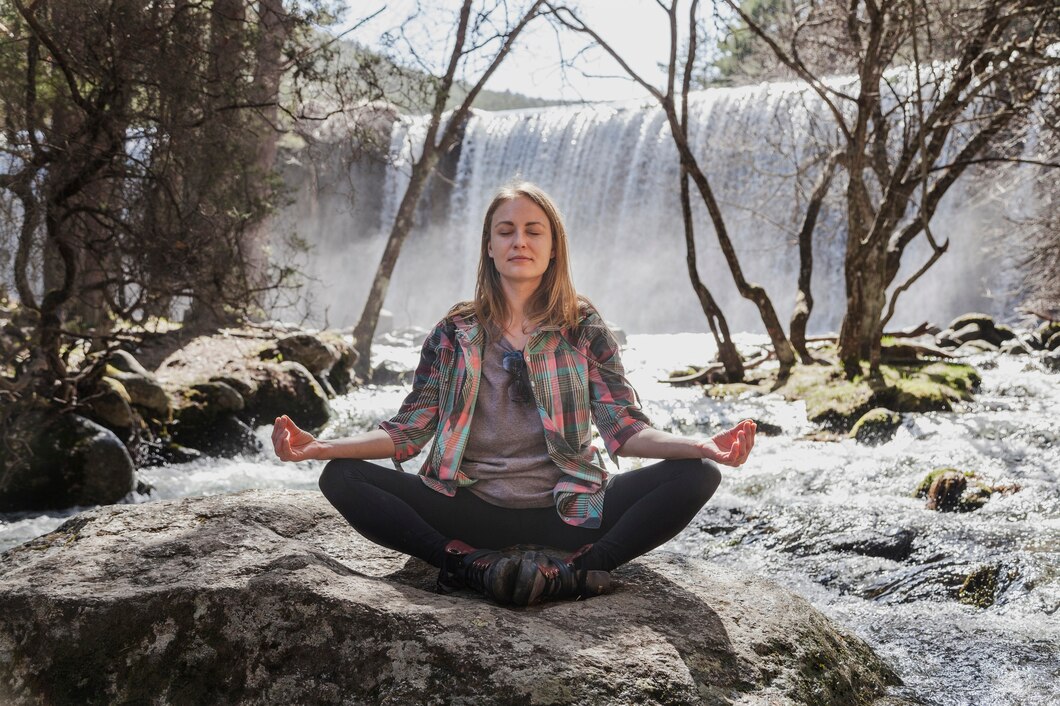
In today’s fast-paced world, many people struggle with stress, anxiety, emotional exhaustion, and constant distractions. Practicing Mindfulness for Emotional Strength has become one of the most effective ways to build a healthier mind and improve overall happiness. Mindfulness helps you become fully aware of your thoughts, emotions, and surroundings without judgment, allowing you to respond to life’s challenges with greater emotional strength and resilience. Whether through mindfulness meditation, simple mindfulness practices, or everyday moments of awareness, this approach supports better mental well-being, enhances emotional resilience, and promotes lasting emotional wellness. Learning how to improve mental well-being through mindful living, practical mindfulness techniques, and daily habits can strengthen your mental health, improve stress management, create greater emotional balance, and increase self-awareness. This guide explores the many benefits of mindfulness and shows how small, consistent practices can lead to a healthier, happier, and more balanced life.
What Is Mindfulness?
Mindfulness is the practice of intentionally paying attention to the present moment without judging your thoughts or emotions. Instead of worrying about the future or dwelling on the past, mindfulness teaches you to experience each moment with acceptance and awareness.
Although mindfulness has roots in ancient meditation traditions, it is now widely used as a practical tool for supporting mental health, reducing stress, and enhancing emotional well-being. It does not require special equipment or extensive training. Anyone can practice mindfulness by slowing down, focusing on their breathing, and becoming more aware of their thoughts and surroundings.
The goal of mindfulness is not to eliminate emotions but to understand and manage them in a healthier way.
How Mindfulness Improves Emotional Strength
Many people wonder how mindfulness improves emotional strength. Emotional strength is the ability to remain calm, adaptable, and resilient during life’s challenges. Mindfulness strengthens this ability by helping you observe emotions instead of reacting impulsively.
When difficult situations arise, mindfulness encourages you to pause before responding. This small pause allows your brain to process emotions more clearly rather than acting out of fear, frustration, or anger.
Over time, regular mindfulness practice can help you:
- Respond calmly under pressure.
- Develop healthier coping mechanisms.
- Recover more quickly from setbacks.
- Increase emotional awareness.
- Strengthen resilience.
- Improve relationships through thoughtful communication.
Instead of suppressing emotions, mindfulness helps you acknowledge and process them constructively.
Benefits of Mindfulness for Mental Well-Being
The benefits of mindfulness for mental well-being extend to nearly every area of daily life. Regular practice supports both emotional and physical health while improving your overall quality of life.
Some of the most important benefits include:
- Reduced stress
- Lower anxiety levels
- Improved concentration
- Better emotional regulation
- Increased self-awareness
- Enhanced sleep quality
- Greater life satisfaction
- Improved relationships
- Better decision-making
- Increased resilience during difficult times
By consistently practicing mindfulness, you create habits that support lasting mental well-being and emotional stability.
Mindfulness Meditation: A Powerful Practice
Mindfulness meditation is one of the most popular ways to develop present-moment awareness. During meditation, you sit comfortably, focus on your breathing, and gently return your attention whenever your mind begins to wander.
Contrary to common misconceptions, meditation is not about emptying your mind. Instead, it teaches you to notice thoughts without becoming overwhelmed by them.
Even spending 10 to 15 minutes each day practicing mindfulness meditation can improve focus, reduce emotional reactivity, and create a greater sense of calm.
Mindfulness Techniques for Emotional Resilience
There are many effective mindfulness techniques for emotional resilience that can be practiced anywhere.
Mindful Breathing
One of the simplest and most effective techniques is mindful breathing. Slow, deep breaths help calm the nervous system and reduce feelings of anxiety.
Try this exercise:
- Inhale slowly through your nose for four seconds.
- Hold your breath for four seconds.
- Exhale gently through your mouth for six seconds.
- Repeat for several minutes.
Mindful breathing quickly brings attention back to the present moment.
Body Scan Meditation
A body scan involves slowly focusing your attention on different parts of your body, noticing sensations without judgment.
This practice:
- Reduces tension.
- Improves relaxation.
- Increases body awareness.
- Supports emotional regulation.
Mindful Observation
Spend a few minutes observing an everyday object such as a flower, tree, or cup of tea. Notice its colors, textures, shapes, and details.
This simple exercise strengthens concentration while encouraging present-moment awareness.
How to Practice Mindfulness Every Day
Learning how to practice mindfulness every day doesn’t require dramatic lifestyle changes. Small daily habits can make a significant difference over time.
Some practical ideas include:
Start the Morning Mindfully
Instead of immediately checking your phone, spend a few quiet minutes stretching, breathing deeply, or expressing gratitude.
Eat Without Distractions
Practice mindful eating by paying attention to the taste, texture, aroma, and appearance of your food.
Take Mindful Walks
Walk slowly while noticing the sights, sounds, and smells around you.
Pause During Busy Moments
Before responding to stressful situations, pause and take three slow breaths.
These small habits help integrate mindfulness into everyday life.
Mindfulness Exercises for Stress and Anxiety
If you’re looking for mindfulness exercises for stress and anxiety, consider these effective practices.
Five Senses Exercise
Notice:
- Five things you can see.
- Four things you can touch.
- Three things you can hear.
- Two things you can smell.
- One thing you can taste.
This exercise quickly grounds you in the present moment.
Gratitude Practice
A daily gratitude practice shifts your attention from worries to appreciation.
Each evening, write down three things you’re grateful for.
Guided Meditation
Listening to a guided mindfulness session can help beginners stay focused while developing meditation skills.
Ways to Build Emotional Strength Naturally
There are many ways to build emotional strength naturally beyond meditation.
Healthy habits include:
- Getting enough sleep.
- Exercising regularly.
- Eating nutritious foods.
- Maintaining supportive relationships.
- Practicing gratitude.
- Journaling.
- Spending time outdoors.
- Limiting negative media consumption.
These habits complement mindfulness and strengthen emotional resilience.
Mindfulness for Better Mental Health
Using mindfulness for better mental health helps reduce emotional overwhelm while improving overall psychological wellness.
Regular mindfulness practice may contribute to:
- Reduced emotional exhaustion.
- Better concentration.
- Improved mood.
- Healthier relationships.
- Increased patience.
- Greater confidence.
It also supports long-term emotional stability during life’s challenges.
How Mindfulness Helps Regulate Emotions
Many people ask how mindfulness helps regulate emotions.
Mindfulness teaches you to recognize emotions as they arise instead of ignoring or suppressing them.
For example, when anger appears, mindfulness encourages you to notice:
- Physical sensations.
- Thoughts.
- Breathing patterns.
- Emotional triggers.
This awareness helps you make thoughtful decisions instead of responding impulsively.
Daily Mindfulness Habits for Emotional Wellness
Developing daily mindfulness habits for emotional wellness creates lasting emotional strength.
Simple habits include:
- Morning meditation.
- Mindful breathing breaks.
- Gratitude journaling.
- Daily reflection.
- Screen-free walks.
- Mindful eating.
- Evening relaxation.
Practicing these consistently helps build emotional resilience over time.
Mindfulness Practices to Improve Focus and Clarity
Modern life often overwhelms our attention with constant notifications and distractions.
Mindfulness practices to improve focus and clarity include:
- Single-tasking instead of multitasking.
- Taking regular breathing breaks.
- Working in distraction-free environments.
- Practicing mindful observation.
- Limiting unnecessary screen time.
These habits improve concentration while supporting better productivity.
Mindfulness for Emotional Healing and Self-Care
Healing emotional wounds takes time, patience, and compassion.
Mindfulness for emotional healing and self-care encourages you to accept difficult emotions without judgment while treating yourself with kindness.
Helpful practices include:
- Journaling emotions.
- Meditation.
- Deep breathing.
- Self-compassion exercises.
- Spending time in nature.
- Talking with trusted friends or professionals when needed.
Mindfulness creates space for healing by reducing self-criticism.
How Mindfulness Reduces Stress and Improves Well-Being
Understanding how mindfulness reduces stress and improves well-being begins with recognizing how stress affects the body.
When stressed, your nervous system activates the “fight or flight” response.
Mindfulness helps activate the body’s relaxation response by:
- Slowing breathing.
- Reducing muscle tension.
- Lowering heart rate.
- Improving emotional regulation.
- Encouraging calm thinking.
As stress decreases, overall well-being naturally improves.
Mindfulness Meditation for Emotional Balance
Practicing mindfulness meditation for emotional balance helps create greater emotional stability.
Regular meditation improves your ability to:
- Stay calm during challenges.
- Reduce emotional reactivity.
- Increase patience.
- Improve self-awareness.
- Develop acceptance.
Over time, emotional highs and lows become easier to manage.
Mindfulness Tips for a Healthier Mind
Here are practical mindfulness tips for a healthier mind:
- Practice daily, even for five minutes.
- Focus on your breathing.
- Observe your thoughts without judgment.
- Limit multitasking.
- Spend time in nature.
- Take regular breaks from technology.
- Get adequate sleep.
- Express gratitude.
- Be patient with yourself.
Small, consistent actions produce meaningful results.
Mindfulness for Beginners
If you’re exploring mindfulness for beginners, remember that perfection isn’t the goal.
Begin by:
- Sitting quietly for five minutes.
- Paying attention to your breathing.
- Gently returning your focus whenever your mind wanders.
- Practicing daily.
Like any skill, mindfulness becomes easier with regular practice.
Emotional Health Through Mindfulness
Strong emotional health allows you to manage challenges without becoming overwhelmed.
Mindfulness supports emotional health by encouraging:
- Emotional awareness.
- Acceptance.
- Compassion.
- Healthy coping strategies.
- Positive relationships.
These skills improve both personal and professional life.
Mental Clarity and Present Moment Awareness
One of mindfulness’s greatest gifts is improved mental clarity.
By developing present moment awareness, you reduce mental clutter caused by excessive worrying and overthinking.
Clear thinking helps you:
- Make better decisions.
- Solve problems effectively.
- Focus more easily.
- Experience greater peace.
Self-Care and Healthy Lifestyle
Mindfulness naturally complements self-care and a healthy lifestyle.
Healthy routines include:
- Nutritious meals.
- Regular exercise.
- Adequate sleep.
- Relaxation.
- Meaningful relationships.
- Time outdoors.
Together, these habits create a solid foundation for mental well-being.
Meditation and Deep Breathing
Both meditation and deep breathing activate the body’s natural relaxation response.
Practicing these regularly:
- Lowers stress hormones.
- Improves concentration.
- Enhances emotional regulation.
- Supports heart health.
- Promotes better sleep.
Even short daily sessions provide noticeable benefits.
Developing a Calm Mind
A calm mind doesn’t mean eliminating all stress.
Instead, it means responding thoughtfully rather than reacting automatically.
Mindfulness strengthens this ability through regular awareness and practice.
Relaxation Techniques for Everyday Life
Simple relaxation techniques include:
- Progressive muscle relaxation.
- Guided meditation.
- Gentle stretching.
- Mindful breathing.
- Nature walks.
- Listening to calming music.
These practices help restore emotional balance after busy days.
Stress Relief and Anxiety Management
Mindfulness offers powerful tools for stress relief and anxiety management.
By focusing attention on the present moment, mindfulness interrupts cycles of excessive worry and negative thinking.
As awareness grows, anxiety often becomes easier to manage.
Positive Thinking and Self-Reflection
Mindfulness encourages positive thinking without ignoring life’s difficulties.
It helps you recognize unhelpful thought patterns while developing healthier perspectives.
Regular self-reflection also increases emotional intelligence by helping you understand your reactions, beliefs, and behaviors.
Emotional Stability and Mind-Body Connection
Strong emotional stability develops when you recognize the close relationship between your mind and body.
The mind-body connection becomes stronger through:
- Meditation.
- Yoga.
- Mindful breathing.
- Exercise.
- Healthy eating.
- Quality sleep.
Caring for both physical and emotional health creates lasting resilience.
Mental Resilience and Healthy Coping Strategies
Building mental resilience means recovering from challenges without losing hope.
Mindfulness supports resilience by encouraging healthy coping strategies, including:
- Deep breathing.
- Journaling.
- Physical activity.
- Seeking support.
- Practicing gratitude.
- Taking mindful breaks.
These habits reduce emotional overwhelm while promoting long-term psychological health.
Psychological Well-Being and Personal Growth
Mindfulness contributes significantly to psychological well-being by encouraging continuous personal growth.
As self-awareness increases, many people become:
- More compassionate.
- More patient.
- More confident.
- Better communicators.
- More emotionally balanced.
- More resilient.
These qualities improve every area of life, from relationships to career success.
Conclusion
Practicing Mindfulness for Emotional Strength is one of the most effective ways to transform your mental well-being and develop lasting emotional resilience. Through consistent mindfulness practices, mindfulness meditation, mindful breathing, and daily mindfulness habits, you can strengthen your emotional intelligence, improve stress management, and cultivate greater inner peace. Whether you are exploring mindfulness for beginners, learning how mindfulness helps regulate emotions, or searching for mindfulness techniques for emotional resilience, every mindful moment contributes to a healthier mind and a more balanced life. By embracing self-care, gratitude practice, present moment awareness, and other healthy habits, you can enjoy improved psychological well-being, stronger mental resilience, and a deeper sense of happiness that supports lifelong emotional wellness.
About the Author