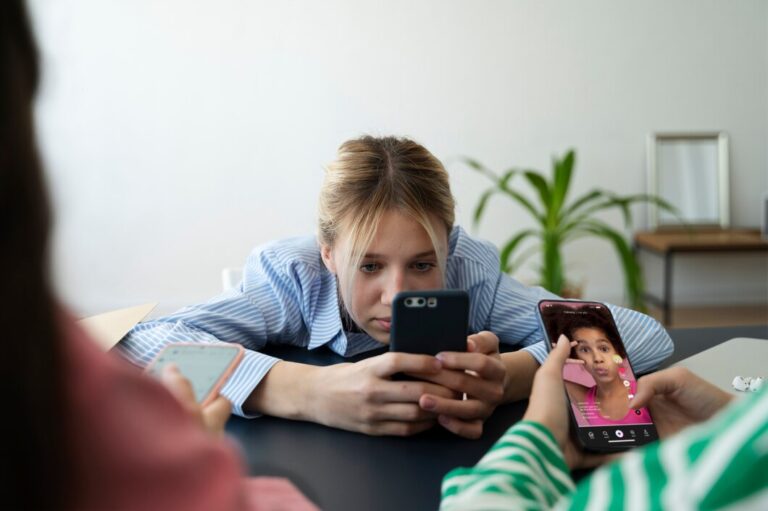
In a world filled with constant notifications, busy schedules, work pressure, and endless digital distractions, protecting your mental health can feel increasingly difficult. Slow living offers a different approach by encouraging people to become more intentional about how they spend their time, where they place their attention, and what they genuinely value. Rather than asking you to do everything slowly, a slow living lifestyle focuses on doing things with greater awareness and purpose. Through mindful living, intentional habits, healthy boundaries, and meaningful self-care, this approach can support mental wellness, emotional well-being, and a more balanced lifestyle.
What Is Slow Living?
Slow living is a lifestyle philosophy centered on awareness, intention, simplicity, and meaningful experiences. It encourages people to move away from the idea that being constantly busy automatically means being productive or successful.
A slow lifestyle does not necessarily mean abandoning work, responsibilities, technology, or ambition. Instead, it means becoming more selective about what deserves your time and attention.
The idea is closely connected to simple living, where unnecessary complexity is reduced so that greater attention can be given to relationships, health, creativity, nature, hobbies, and personal values.
For some people, slow living may involve preparing meals without rushing, spending time outdoors, reading a book, limiting unnecessary screen time, enjoying conversations, or creating peaceful morning and evening routines.
At its core, slow living asks an important question:
Am I intentionally living my life, or am I simply reacting to everything around me?
The Connection Between Slow Living and Mental Health
Modern life can create a pattern of constant stimulation. Emails, social media, deadlines, advertisements, news, messages, and other digital demands compete for attention.
When this continues for long periods, people may feel mentally exhausted even when they have not performed physically demanding tasks.
One of the major mental health benefits of slow living is that it creates opportunities to pause and recover.
By reducing unnecessary pressure and creating more intentional routines, slow living can support:
- Lower perceived stress
- Greater self-awareness
- Improved relaxation
- Better emotional regulation
- More meaningful social connections
- Healthier boundaries
- Greater appreciation for everyday experiences
- Improved work-life balance
The benefits of slow living are not about achieving a permanently calm state. Life will always include responsibilities, uncertainty, and stressful situations. Instead, slow living can provide habits that help people respond to everyday demands with greater awareness.
Mental Health Benefits of Slow Living
There are several slow living benefits that may contribute to improved mental wellness.
1. It Can Reduce Everyday Stress
Constant rushing can make even ordinary activities feel stressful. Eating breakfast while checking emails, commuting while answering messages, and working late into the evening can make the day feel like one continuous task.
Slow living and stress reduction involve creating intentional pauses between activities.
Instead of immediately moving from one responsibility to another, you can create small periods of rest.
For example:
- Take a few quiet minutes before beginning work.
- Eat meals without constantly checking your phone.
- Take a short walk between tasks.
- Create a calming evening routine.
- Schedule genuine breaks during busy days.
These simple changes can contribute to reducing stress naturally.
2. It Encourages Mindful Living
Mindful living means paying attention to your current experience instead of constantly thinking about the past or worrying about the future.
This idea is closely connected to mental health and mindfulness.
When you eat, for example, mindful living encourages you to notice the taste, texture, smell, and experience of the food rather than automatically eating while scrolling through your phone.
Similarly, a walk can become an opportunity to notice your surroundings rather than another task to complete as quickly as possible.
This practice of living in the present moment can help create mental space within an otherwise busy day.
Mindfulness and Mental Health
The relationship between mindfulness and mental health has received significant attention in psychology and wellness research.
Mindfulness involves intentionally paying attention to present experiences with openness and without immediately judging them.
It does not mean eliminating thoughts. Instead, it involves recognizing thoughts without automatically becoming absorbed by them.
For example, if you notice yourself thinking, “I have too much to do,” mindfulness can help you recognize the thought rather than allowing it to immediately create additional panic.
This makes mindfulness a useful component of a broader self-care routine.
3. Slow Living Can Support Emotional Well-Being
Our emotions can become harder to understand when life moves too quickly.
When there is no time to pause, you may react to frustration, disappointment, or exhaustion without considering what is actually happening beneath the surface.
Slow living for emotional well-being encourages reflection.
You might ask yourself:
- What am I feeling right now?
- Why might I be feeling this way?
- What do I need?
- Is there something I need to say no to?
- Am I giving myself enough time to recover?
This kind of reflection can encourage greater emotional awareness.
Emotional well-being is not about feeling positive all the time. It involves developing healthier ways of recognizing and responding to different emotions.
4. It Encourages Intentional Living
Intentional living means making choices based on your priorities and values rather than automatically following external expectations.
A busy lifestyle can sometimes encourage people to say yes to everything.
Slow living encourages a different question:
Does this activity genuinely contribute to the life I want?
This does not mean every activity must be enjoyable or personally meaningful. Responsibilities are part of life. However, intentional living can help people identify where they may be unnecessarily overcommitting themselves.
Creating intentional habits can gradually make daily life feel more organized and purposeful.
5. Slow Living Can Improve Work-Life Balance
Poor work-life balance can contribute to exhaustion and reduced personal time.
Technology has made it possible to work from almost anywhere, but constant accessibility can blur the boundaries between professional and personal life.
Slow living encourages clearer separation.
For example, you might:
- Stop checking work messages after a specific time.
- Keep your bedroom free from work-related activities.
- Take your lunch break away from your desk.
- Protect weekends or evenings for personal activities.
- Create a transition routine after finishing work.
These healthy boundaries can help create space for rest and relationships.
How Slow Living Reduces Stress and Anxiety
People often ask how slow living reduces stress and anxiety.
The answer is not that slowing down magically removes anxiety. Rather, slow living can reduce some sources of unnecessary stimulation and create opportunities for recovery.
When you constantly rush, your mind may remain focused on the next task.
A slower routine can encourage periods of:
- Rest
- Reflection
- Breathing
- Movement
- Social connection
- Creative activities
- Time outdoors
- Uninterrupted concentration
These activities can become part of a broader stress management strategy.
If someone experiences persistent or severe anxiety, however, lifestyle changes should not be viewed as a replacement for professional support.
6. It Encourages Digital Detox
Digital technology is useful, but excessive digital stimulation can make it difficult to mentally disconnect.
A digital detox does not necessarily require abandoning technology completely.
Instead, it can involve creating specific periods when devices are intentionally put aside.
You could experiment with:
- A phone-free first 30 minutes after waking
- Screen-free meals
- No-phone walks
- Device-free evenings
- Social media time limits
- A screen-free bedroom
These practices can make room for screen-free activities that encourage greater awareness and connection.
7. Slow Living Creates Space for Self-Care
Self-care is often misunderstood as something elaborate or expensive.
In reality, self-care can be simple.
It might involve:
- Getting enough rest
- Preparing nourishing meals
- Going outside
- Reading
- Stretching
- Spending time with friends
- Listening to music
- Journaling
- Practicing relaxation
- Taking a genuine break
Slow living makes self-care more sustainable by encouraging people to incorporate small restorative practices into ordinary routines.
Instead of waiting until you are completely exhausted before resting, you can treat recovery as a regular part of personal well-being.
Slow Living Habits for Mental Wellness
Developing slow living habits for mental wellness does not require changing your entire lifestyle overnight.
Start with small changes.
Create a Calm Morning
Instead of immediately checking notifications, give yourself a few quiet minutes after waking.
Drink water, stretch, open a window, journal, or simply sit quietly.
Eat More Mindfully
Try having at least one meal each day without television, social media, or work.
Pay attention to your meal and give yourself enough time to enjoy each bite at a relaxed, comfortable pace.
Take Deliberate Breaks
Breaks are more effective when they actually allow your mind to disengage.
Walking away from your desk and staring at another screen may not provide the same mental reset as walking outdoors or sitting quietly.
Practice Single-Tasking
Multitasking can make ordinary responsibilities feel more chaotic.
Choose one task and give it your attention before moving to another whenever practical.
Create an Evening Ritual
A predictable evening routine can help signal that the active part of your day is ending.
You might read, stretch, take a warm shower, journal, or listen to calming music.
8. Slow Living Supports a Peaceful Lifestyle
A peaceful lifestyle does not mean having a life without responsibilities.
Instead, peace can come from creating greater alignment between your schedule and your priorities.
A peaceful lifestyle might include:
- Fewer unnecessary commitments
- More time in nature
- Meaningful relationships
- Regular rest
- Reduced digital distraction
- Intentional routines
- Time for hobbies
- A comfortable home environment
These practices can contribute to a more balanced lifestyle.
9. It Can Improve Quality of Life
Productivity is useful, but constantly measuring life through accomplishments can become exhausting.
Slow living encourages people to consider quality of life as well.
Ask yourself:
- Do I have enough time to enjoy my relationships?
- Do I regularly rest?
- Do I have activities that I enjoy?
- Do I spend time outside?
- Do I have space for creativity?
- Am I constantly rushing?
These questions shift attention from simply doing more toward living more meaningfully.
How to Practice Slow Living for Better Mental Health
If you are wondering how to practice slow living for better mental health, begin with manageable changes.
Step 1: Identify What Makes You Rush
For a week, notice when you feel rushed.
It might happen during mornings, work hours, commuting, meals, or evenings.
Once you understand the pattern, you can decide what needs adjustment.
Step 2: Remove One Unnecessary Activity
You do not have to redesign your entire schedule.
Choose one activity that consumes time without adding much value and reduce it.
Step 3: Establish Mindful Routines
Create predictable moments of calm.
A morning walk, afternoon tea, evening reading, or five minutes of breathing can become a mindful routine.
Step 4: Set Healthy Boundaries
Learn to protect your time.
Saying no to unnecessary commitments is not selfish. It can be an important part of maintaining balance.
Step 5: Spend Time Without Screens
Include regular screen-free activities such as:
- Walking
- Cooking
- Gardening
- Drawing
- Reading
- Playing board games
- Talking with friends
- Listening to music
10. Slow Living Can Encourage Conscious Living
Conscious living means becoming more aware of the impact of your choices.
This can include how you spend money, what you consume, how you use technology, how you spend your time, and how you interact with other people.
For example, instead of automatically purchasing something because it is trending, you might ask whether you actually need it.
This intentional approach can extend beyond material possessions to schedules, relationships, entertainment, and digital consumption.
11. It Can Encourage Healthy Lifestyle Habits
A slow approach can make it easier to establish healthy lifestyle habits.
When life is constantly rushed, healthy behaviors may be treated as optional.
People may skip meals, sacrifice sleep, avoid exercise, or ignore rest because there is “no time.”
A slower approach encourages planning for these essentials rather than treating them as leftovers in the schedule.
Healthy habits may include:
- Consistent sleep
- Regular movement
- Balanced meals
- Hydration
- Time outdoors
- Social connection
- Relaxation
- Meaningful hobbies
These behaviors can support overall mental wellness.
Relaxation Techniques That Fit a Slow Lifestyle
Several relaxation techniques can complement slow living.
You might experiment with:
- Deep breathing
- Progressive muscle relaxation
- Gentle stretching
- Meditation
- Mindful walking
- Journaling
- Listening to calming music
- Spending time in nature
The best technique is often the one that you can realistically practice consistently.
Slow Living Does Not Mean Doing Nothing
One misconception about slow living is that it encourages laziness or avoiding ambition.
That is not the goal.
You can still have career goals, exercise regularly, build a business, study, travel, raise a family, or pursue creative projects while following slow-living principles.
The difference is in how you approach those activities.
Instead of constantly asking, “How can I fit more into my day?” slow living encourages you to ask:
“What deserves my attention today?”
This shift can make a significant difference in how daily responsibilities feel.
Why Slow Living Is Good for Mental Health
So, why slow living is good for mental health?
Its value comes from creating space for behaviors that support psychological well-being.
Slow living can encourage people to:
- Pay attention to their needs
- Reduce unnecessary stimulation
- Build stronger boundaries
- Spend more time with loved ones
- Practice mindfulness
- Rest without guilt
- Connect with nature
- Focus on meaningful activities
- Reduce constant digital engagement
These practices can collectively support personal well-being.
Slow Living and Stress Management in a Busy World
It may seem impossible to live slowly when work, family, finances, technology, and other responsibilities demand attention.
However, slow living does not have to be an all-or-nothing lifestyle.
Even small changes can make a difference.
You might spend ten minutes each morning without your phone, take one screen-free walk each day, eat one meal mindfully, or establish a clear stopping point for work.
The goal is not to create a perfect lifestyle. It is to create more intentional moments within your existing one.
Building a Mindful Lifestyle
A mindful lifestyle develops through repeated choices.
You can practice awareness while:
- Eating
- Walking
- Working
- Talking
- Cleaning
- Exercising
- Resting
- Spending time with family
Rather than treating mindfulness as something that only happens during meditation, you can bring attention to ordinary experiences.
This is one reason mental health and mindfulness work so naturally alongside slow living.
Slow Living for Emotional Well-Being
The value of slow living for emotional well-being also comes from making room for connection.
When schedules are overloaded, relationships can become another task squeezed between responsibilities.
Slowing down can create opportunities for genuine conversations, shared meals, walks, hobbies, and quality time.
Strong social relationships are an important part of overall well-being, and intentional time with others can make everyday life feel more meaningful.
Final Thoughts
Slow living is not about abandoning ambition, avoiding responsibilities, or making every moment completely relaxed. It is about becoming more intentional with your time, attention, and energy.
The benefits of slow living for mental health can come from simple practices such as mindfulness, digital detox, healthy boundaries, meaningful relationships, regular self-care, and reducing unnecessary rushing.
By embracing intentional living, mindful living, and a more balanced routine, you can create greater opportunities for rest and reflection. A slow lifestyle can also support stress management, emotional well-being, work-life balance, and overall quality of life.
If you want to explore how slow living improves mental health, start small. Put your phone away during one meal. Take a quiet walk. Create a mindful morning routine. Say no to one unnecessary commitment. Give yourself permission to rest.
You do not need to slow down every part of your life. Sometimes, simply slowing down enough to notice how you are living is the first step toward a healthier and more intentional life.
About the Author