Mental health is closely connected to how we spend our time, manage daily responsibilities, and respond to the constant demands of modern life. Slow living and mental health have become increasingly connected as more people look for practical ways to reduce pressure and create a calmer routine. The slow living benefits can include greater awareness, better stress management, and more opportunities for meaningful rest. Understanding the mental health benefits of slow living does not mean abandoning ambition or responsibilities. Instead, a slow living lifestyle encourages people to become more intentional about their time, practice mindful living, and create a balanced lifestyle that leaves room for rest, relationships, hobbies, and personal well-being.
What Is Slow Living?
Slow living is a lifestyle approach centered on intentionality, awareness, and quality rather than constant speed.
Modern life often encourages people to multitask, respond immediately, stay busy, and fill every available moment with activity. Slow living offers a different perspective. It encourages you to consider whether everything on your schedule is genuinely necessary and whether your daily habits reflect what you value.
A slow lifestyle does not necessarily mean doing everything slowly. Instead, it means becoming more conscious about how you use your energy and attention.
Someone practicing slow living might:
- Eat meals without rushing
- Spend more time outdoors
- Reduce unnecessary commitments
- Take regular breaks
- Limit excessive digital stimulation
- Enjoy hobbies without focusing on productivity
- Create intentional morning and evening routines
- Make time for meaningful relationships
- Practice gratitude and reflection
These habits can support simple living, mindfulness, and greater awareness of everyday experiences.
The Connection Between Slow Living and Mental Health
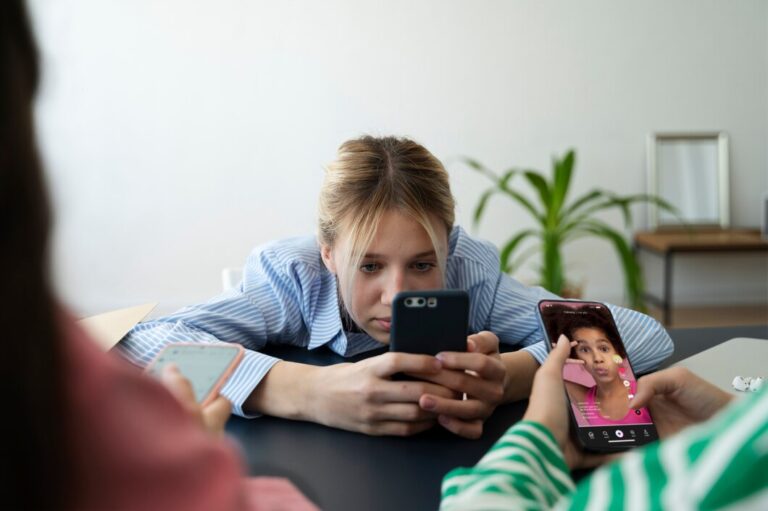
The relationship between slow living for mental health and everyday lifestyle choices is important because constant stimulation can make it difficult to truly switch off.
Work messages, social media notifications, household responsibilities, deadlines, and personal expectations can create a sense that there is always something else to accomplish.
Slow living creates intentional pauses.
These pauses can provide opportunities to step away from constant demands and reconnect with the present.
This is one reason how slow living improves mental health has become an important topic in discussions about modern wellness.
Slow living is not a medical treatment for mental health conditions. However, lifestyle habits that encourage rest, mindfulness, social connection, and reasonable boundaries can complement broader approaches to emotional and mental wellness.
Mental Health Benefits of Slow Living
The benefits of slow living for mental health can be different for each person. However, several potential advantages are commonly associated with a slower and more intentional lifestyle.
1. It Creates Space for Relaxation
A packed schedule leaves little room for recovery.
When every moment is occupied by work, errands, entertainment, or digital activity, genuine relaxation can become difficult.
Slow living encourages intentional breaks.
You might sit quietly with a cup of tea, read a book, take a leisurely walk, listen to music, or simply spend several minutes without trying to accomplish anything.
These moments can contribute to relaxation and create a healthier rhythm throughout the day.
2. It Encourages Stress Reduction
One of the most appealing slow living benefits is the opportunity to reduce unnecessary pressure.
This does not mean eliminating every source of stress. Some responsibilities cannot be avoided.
Instead, slow living encourages you to distinguish between necessary responsibilities and self-imposed urgency.
Learning to say no to unnecessary commitments, reducing multitasking, and building realistic schedules can contribute to stress reduction.
This explains why many people explore how slow living reduces stress as part of their broader approach to stress management.
3. It Encourages Mindfulness
Mindful living means paying attention to your current experience instead of constantly thinking about what happened earlier or what needs to happen next.
Slow living naturally creates opportunities for this type of awareness.
You might focus on the taste of your food, the sounds around you during a walk, or the sensation of sunlight through a window.
These ordinary experiences can become opportunities for mindfulness.
The objective is not to make every moment profound.
It is simply to become more present.
Living in the Moment
Many people spend much of their mental energy thinking about the future.
What needs to be finished tomorrow?
What deadline is approaching?
What should have been done differently yesterday?
This constant mental movement can make it difficult to appreciate the present.
Slow living encourages living in the moment.
This does not mean ignoring future responsibilities. It means giving the current experience enough attention to actually experience it.
Eating dinner while constantly checking messages is different from eating dinner while having a conversation with someone you care about.
Walking while thinking about tomorrow’s meetings is different from noticing the trees, buildings, sounds, and weather around you.
Small differences in attention can make everyday life feel less rushed.
Intentional Living and Mental Well-Being
Intentional living is one of the foundations of slow living.
It involves making conscious choices instead of automatically following habits or expectations.
Ask yourself:
- Why am I doing this?
- Does this activity matter to me?
- Is this commitment necessary?
- What do I want my evenings to feel like?
- Am I spending too much time on things that do not add value?
These questions can help identify habits that consume time without contributing to mental well-being.
How intentional living supports mental well-being depends largely on creating greater alignment between your actions and your values.
When your daily life reflects what matters to you, you may experience a greater sense of direction and satisfaction.
How Slow Living Reduces Stress
The question of how slow living reduces stress can be answered through several everyday changes.
First, slowing down can reduce unnecessary multitasking.
Instead of attempting five tasks simultaneously, you can focus on one activity at a time.
Second, slower routines can reduce the pressure to constantly move from one responsibility to another.
Third, intentional boundaries can prevent work from taking over personal time.
Fourth, regular periods of rest give you opportunities to recover from daily demands.
Together, these practices can contribute to healthier stress management.
Slow Living for Stress and Anxiety
People interested in slow living for stress and anxiety often begin by examining sources of unnecessary stimulation.
For some, this may involve reducing social media use.
For others, it might mean simplifying their schedule or creating boundaries around work communication.
A slow approach could include:
- Taking technology-free breaks
- Spending time outdoors
- Practicing breathing exercises
- Creating predictable routines
- Reducing unnecessary commitments
- Making time for hobbies
- Getting adequate rest
- Connecting with supportive people
These habits should not be presented as cures for anxiety disorders or other mental health conditions. Persistent or severe symptoms deserve appropriate professional support.
Slow living can instead be viewed as one possible lifestyle framework for creating more restorative daily patterns.
Slow Living Habits for Better Mental Health
Developing slow living habits for better mental health does not require changing your entire lifestyle overnight.
Small adjustments can be more sustainable.
Try beginning with one or two habits.
Start Your Morning Without Immediate Notifications
Instead of checking your phone immediately after waking, spend a few minutes stretching, drinking water, opening a window, or simply preparing for the day.
Eat One Meal Without Screens
Choose one meal each day to eat without television, social media, or work messages.
Create Small Pauses
Leave a few minutes between major activities instead of scheduling your day continuously.
Take a Daily Walk
A short walk can create a physical and mental transition between work and personal time.
Protect Your Evening
Choose a specific time when work-related communication ends whenever your responsibilities allow.
These simple slow living habits for everyday life can gradually create a calmer routine.
How to Start a Slow Living Lifestyle
If you are wondering how to start a slow living lifestyle, avoid treating slow living as another goal you must achieve perfectly.
Start by observing.
For one week, pay attention to when you feel rushed, distracted, overwhelmed, or most relaxed.
Then identify one area where you can make a small adjustment.
You might:
- Reduce unnecessary notifications.
- Create a calmer morning routine.
- Schedule regular breaks.
- Spend more time outdoors.
- Eat without distractions.
- Make evenings less demanding.
- Reduce unnecessary commitments.
- Set boundaries around work.
- Make time for hobbies.
- Practice mindfulness for a few minutes each day.
The purpose is progress, not perfection.
Slow Living Tips for Busy People
Slow living may sound difficult for people with demanding careers, family responsibilities, or busy schedules.
However, slow living tips for busy people can focus on small moments rather than major lifestyle changes.
Try creating micro-pauses throughout your day.
Pause for a moment and take three calm, deep breaths before moving on to your next activity.
Drink your morning beverage without scrolling through your phone.
Walk outside during lunch.
Turn off unnecessary notifications.
Spend ten minutes reading before bed.
Prepare tomorrow’s essentials in advance so your morning feels less rushed.
These small changes can create moments of calm even within a busy schedule.
Ways Slow Living Helps You Feel Balanced
There are many ways slow living helps you feel balanced.
A slower approach can help you reconsider the idea that productivity should fill every available hour.
A balanced lifestyle contains different forms of activity.
There is time for work.
There is time for relationships.
There is time for movement.
There is time for hobbies.
There is time for rest.
There is also time when you do absolutely nothing productive.
This variety can support work-life balance and create a healthier relationship with time.
Creating a Peaceful Daily Routine
Learning how to create a peaceful daily routine begins with realistic expectations.
A routine does not need to be elaborate.
A simple morning might include waking up, getting ready without rushing, eating breakfast, and reviewing the day’s priorities.
During the day, short breaks can prevent continuous work.
In the evening, you might transition away from professional tasks through a walk, shower, hobby, meal, or quiet reading.
A consistent bedtime routine can also create a sense of structure.
The goal is to create predictable periods of activity and rest rather than filling every minute with tasks.
Mindful Slow Living Practices
Several mindful slow living practices can be incorporated into everyday life.
Mindful Eating
Pay attention to flavors, textures, aromas, and your body’s signals while eating.
Mindful Walking
Walk without constantly checking your phone. Notice your surroundings.
Conscious Breathing
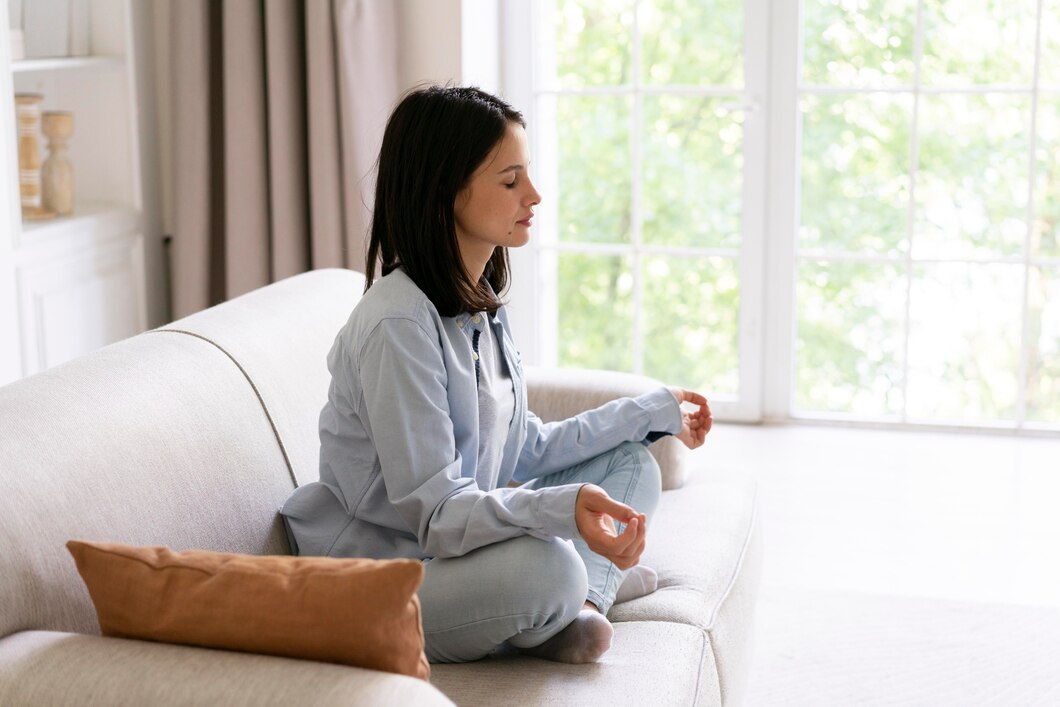
Pause occasionally and take several slow, comfortable breaths.
Gratitude
Write down a few things you genuinely appreciated during the day.
Intentional Pauses
Before moving to your next activity, give yourself a brief moment to finish the current one mentally.
These practices encourage conscious living without requiring complicated routines.
Digital Detox and Slow Living
Technology is useful, but constant connectivity can make slowing down more difficult.
A digital detox does not necessarily mean abandoning technology completely.
Instead, it can involve creating intentional periods without digital stimulation.
You could establish:
- Phone-free meals
- Screen-free mornings
- No-work evenings
- Social media limits
- Technology-free walks
- Screen-free bedtime routines
These boundaries can help protect attention and create space for mindful lifestyle practices.
Even short periods away from screens can provide a useful change of pace.
Simple Living and Mental Wellness
Simple living and slow living often overlap.
Both encourage people to consider what is genuinely necessary and meaningful.
This can involve simplifying possessions, schedules, digital spaces, commitments, or routines.
Minimalism can play a role, but slow living does not require becoming a minimalist.
The objective is not to own as little as possible.
It is to reduce unnecessary complexity where doing so improves your quality of life.
A simpler environment can sometimes make it easier to focus on important activities and relationships.
Slow Living and Emotional Well-Being
Slow living and emotional well-being are connected through the opportunity to become more aware of emotions.
When life moves constantly from one task to another, there may be little time to notice how you actually feel.
Slowing down can create room for reflection.
You might recognize that you are tired, frustrated, excited, grateful, lonely, or content.
Emotional awareness can help you make more thoughtful choices.
Instead of immediately reacting to every feeling, you can pause and consider what you need.
This can support emotional wellness and broader personal well-being.
Healthy Routines for a Slower Lifestyle
A slow lifestyle does not mean avoiding activity.
In fact, healthy routines can provide structure and stability.
Consider creating routines around:
- Regular meals
- Physical activity
- Sleep
- Personal hobbies
- Social connection
- Relaxation
- Outdoor time
- Personal reflection
The key is consistency without unnecessary rigidity.
Your routine should support your life rather than make you feel controlled by another schedule.
Slow Living Ideas for a Healthier Lifestyle
If you want practical slow living ideas for a healthier lifestyle, consider starting with your daily environment.
Cook more meals at home when practical.
Take walks instead of automatically choosing passive entertainment.
Spend time in nature.
Keep your living space comfortable and uncluttered.
Choose hobbies that do not always involve screens.
Make time for conversations without distractions.
Plan your day realistically.
Give yourself permission to rest.
These habits can support physical and emotional wellness while creating a more peaceful lifestyle.
Self-Care Through Slow Living
Self-care is often associated with special treatments, wellness products, or occasional activities.
Slow living offers another perspective: self-care can be built into ordinary routines.
Going to bed at a reasonable time can be self-care.
Taking a break can be self-care.
Saying no to an unnecessary commitment can be self-care.
Eating a nourishing meal without rushing can be self-care.
Spending time with people you care about can be self-care.
This approach makes self-care less dependent on occasional treats and more connected to everyday habits.
Slow Living and Work-Life Balance
One of the biggest challenges in modern life is maintaining work-life balance.
Remote work can make this particularly complicated because the physical boundary between work and home may disappear.
Slow living can encourage stronger boundaries.
For example:
- Keep a separate workspace when possible.
- Establish a clear end to your workday.
- Avoid checking work messages constantly.
- Create a transition ritual after work.
- Protect weekends or personal hours when possible.
- Schedule leisure activities instead of leaving them until “free time.”
These practices can help reinforce the idea that personal time has value.
The Role of Minimalism
Minimalism is often associated with reducing possessions, but its broader principle can also be applied to time and attention.
You can practice minimalism with your schedule by removing unnecessary commitments.
You can practice digital minimalism by reducing distracting applications.
You can practice environmental minimalism by keeping only useful or meaningful items.
This can complement slow living because both approaches encourage intentional choices.
How to Live a Slower and More Balanced Life
Learning how to live a slower and more balanced life is ultimately a process of deciding what deserves your attention.
You do not need to abandon career goals.
You do not need to stop being ambitious.
You do not need to reject technology.
You simply need to become more deliberate about where your time and energy go.
Ask yourself regularly:
What matters most to me, and does my daily routine reflect it?
If the answer is no, identify one small change.
Perhaps you need more time outdoors.
Perhaps you need stronger work boundaries.
Perhaps you need fewer social media distractions.
Perhaps you need more meaningful conversations.
Perhaps you simply need permission to rest.
Slow living begins with these conscious choices.
Conclusion
The relationship between slow living and mental health reflects a growing desire to create lives that feel sustainable rather than constantly rushed. The mental health benefits of slow living can come from simple changes such as reducing unnecessary commitments, creating intentional pauses, practicing mindfulness, spending time offline, and protecting opportunities for rest.
A slow living lifestyle is not about doing nothing or rejecting modern life. It is about becoming more intentional with time, attention, relationships, and energy.
Through mindful living, intentional living, simple routines, digital boundaries, and realistic expectations, people can create a more balanced lifestyle that supports mental well-being, emotional wellness, and personal wellness.
Whether you adopt one peaceful habit or gradually redesign your entire routine, the central idea remains simple: you do not have to rush through every part of life.
Sometimes, slowing down gives you the opportunity to notice what you have been missing.
By embracing slow living for stress and anxiety, creating healthy routines, practicing self-care, and making room for genuine relaxation, you can work toward a lifestyle that feels calmer and more purposeful. The goal is not perfection. It is to build a life where productivity and rest can coexist, where technology has boundaries, and where everyday moments have enough space to actually be experienced.
About the Author