In a world that constantly demands speed, productivity, and digital connectivity, many people are beginning to rethink how they travel. Instead of rushing through crowded itineraries and checking destinations off a list, travelers are embracing mindful travel and a slower, more meaningful approach to exploring the world. The growing popularity of slow travel is not just changing how people vacation—it is transforming how they care for their mental health. The mental health benefits of mindful travel are becoming increasingly recognized as individuals seek deeper experiences, reduced stress, and improved emotional well-being. By focusing on presence, connection, and purpose, mindful and slow travel offers a powerful way to recharge both the mind and body.
Understanding Mindful and Slow Travel
Before exploring the mental health advantages, it is important to understand what these travel philosophies involve.
Mindful travel is the practice of being fully present during a journey. Instead of constantly thinking about the next attraction or worrying about schedules, mindful travelers focus on their surroundings, emotions, and experiences in the present moment.
Slow travel encourages travelers to spend more time in fewer places, allowing them to connect deeply with local culture, people, and environments. Rather than rushing from city to city, travelers adopt a relaxed pace and prioritize meaningful experiences over quantity.
Together, mindful and slow travel create opportunities for personal growth, relaxation, and mental restoration.
The Connection Between Travel and Mental Health
The relationship between mental health and travel has been studied extensively. Travel can provide a break from daily stressors, introduce new perspectives, and create opportunities for self-reflection. However, traditional fast-paced tourism can sometimes lead to exhaustion, anxiety, and burnout.
This is where travel for mental health takes a different approach. Instead of focusing on seeing as much as possible, travelers prioritize emotional well-being, relaxation, and meaningful engagement.
When practiced intentionally, mental wellness travel can help reduce stress, improve mood, and enhance overall life satisfaction.
How Mindful Travel Improves Mental Health
Many people ask how mindful travel improves mental health. The answer lies in the principles of mindfulness itself.
Mindfulness encourages awareness of the present moment without judgment. During travel, this means appreciating a sunrise, savoring local food, listening to the sounds of nature, or simply observing daily life in a new place.
These practices help:
- Reduce mental clutter
- Improve emotional regulation
- Increase gratitude
- Enhance self-awareness
- Promote relaxation
By staying present, travelers are less likely to dwell on past regrets or future worries. This mental shift contributes significantly to the mental health benefits of mindful and slow travel.
Why Slow Travel Reduces Stress and Anxiety
One of the most important reasons people embrace slower journeys is why slow travel reduces stress and anxiety.
Traditional tourism often involves:
- Tight schedules
- Multiple flights
- Long queues
- Constant planning
- Information overload
These factors can create pressure and fatigue.
In contrast, the slow travel lifestyle encourages flexibility and simplicity. Travelers spend longer periods in one destination, reducing logistical stress and allowing more time for rest.
The result is a more stress-free travel experience that supports mental wellness rather than depleting it.
Instead of feeling rushed, travelers have the opportunity to:
- Sleep adequately
- Explore at their own pace
- Engage with local communities
- Enjoy spontaneous experiences
This slower rhythm naturally lowers anxiety levels and promotes calmness.
The Power of Disconnecting from Daily Pressures
Modern life often leaves little room for mental recovery. Work responsibilities, social media notifications, and constant digital engagement can overwhelm the mind.
One of the greatest slow travel benefits is the opportunity to disconnect from these pressures.
Many travelers discover that reducing screen time while exploring new environments helps them:
- Improve concentration
- Lower stress hormones
- Enhance creativity
- Increase emotional balance
Whether spending time in a mountain village, coastal town, or countryside retreat, the slower pace creates space for mental restoration.
This form of wellness travel allows the mind to recover from the demands of everyday life.
Mental Wellness Through Mindful Travel
The concept of mental wellness through mindful travel goes beyond relaxation. It involves actively nurturing emotional and psychological health.
Mindful travelers often engage in activities such as:
- Meditation
- Nature walks
- Journaling
- Yoga
- Deep breathing exercises
These practices encourage self-reflection and emotional awareness.
Over time, travelers may experience:
- Reduced anxiety
- Greater emotional resilience
- Improved self-confidence
- Enhanced mood
- Better mental clarity
These outcomes demonstrate why mindful travel benefits extend far beyond the duration of a vacation.
Slow Travel for Emotional Well-Being
Travel can be a powerful tool for emotional healing and personal growth.
Slow travel for emotional well-being allows individuals to process emotions, reflect on life experiences, and reconnect with themselves.
When travelers spend extended time in one location, they often develop deeper relationships with local communities and fellow travelers. These meaningful connections foster feelings of belonging and social support.
Research consistently shows that positive social interactions contribute significantly to mental health.
As a result, slow travel can help combat feelings of loneliness and isolation while promoting emotional stability.
The Role of Nature in Mental Wellness Travel
Nature plays a vital role in travel and mental well-being.
Studies suggest that spending time in natural environments can:
- Lower cortisol levels
- Reduce symptoms of anxiety
- Improve mood
- Enhance cognitive function
Many forms of mindful tourism naturally involve connecting with nature.
Examples include:
- Hiking through forests
- Walking along beaches
- Exploring national parks
- Visiting rural villages
- Watching sunsets
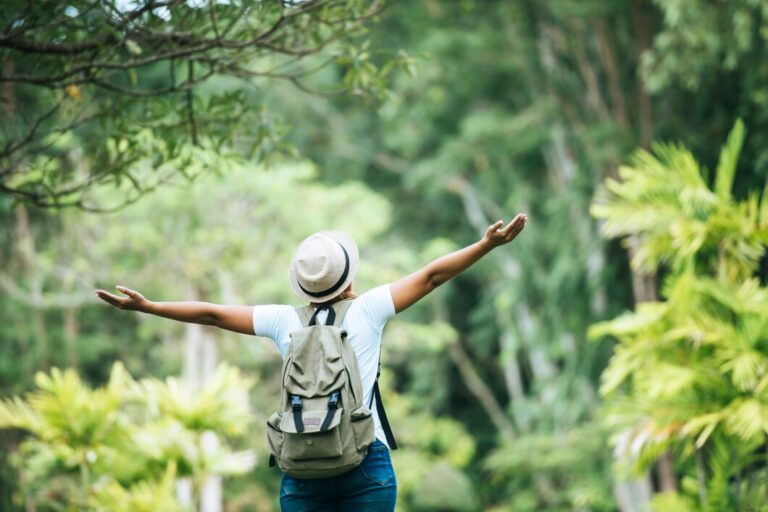
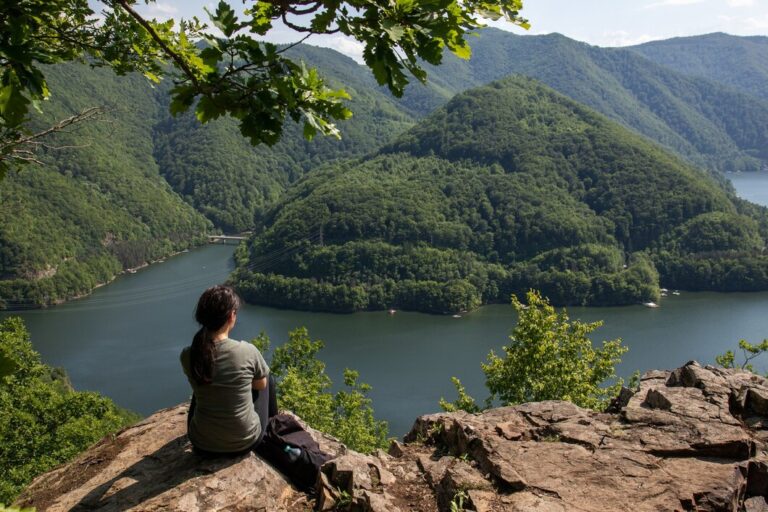
These experiences encourage mindfulness and create a sense of peace that supports long-term mental health.
Mindful Travel Experiences That Transform Perspectives
Some of the most memorable journeys are those that change how we view ourselves and the world.
Mindful travel experiences often involve:
- Cultural immersion
- Volunteer opportunities
- Learning local traditions
- Participating in community activities
These encounters encourage empathy, understanding, and personal growth.
By stepping outside familiar routines, travelers gain fresh perspectives on life challenges and priorities.
This shift in perspective can reduce stress, improve emotional resilience, and contribute to overall well-being.
How Slow Travel Helps You Relax and Recharge
Many people wonder how slow travel helps you relax and recharge.
The answer lies in reducing overstimulation.
Fast-paced tourism can leave travelers exhausted because they are constantly processing new information and moving between locations.
Slow travel creates opportunities to:
- Rest without guilt
- Establish healthy routines
- Enjoy leisurely activities
- Experience deeper relaxation
Whether spending weeks in a quiet village or exploring a single city slowly, travelers often return home feeling refreshed rather than drained.
This makes slow travel benefits particularly valuable for individuals experiencing burnout or chronic stress.
The Importance of Intentional Travel
Intentional travel involves making conscious choices about how and why you travel.
Instead of pursuing destinations for social media validation, intentional travelers focus on experiences that align with their values and personal needs.
This approach encourages:
- Authentic experiences
- Meaningful connections
- Greater satisfaction
- Emotional fulfillment
Because intentional travel is purpose-driven, it often leads to stronger psychological benefits compared to traditional tourism.
Conscious Travel and Self-Awareness
Another important aspect of conscious travel is increased self-awareness.
When travelers slow down and pay attention to their surroundings, they also become more aware of their thoughts, emotions, and behaviors.
This self-awareness can help individuals:
- Identify sources of stress
- Clarify personal goals
- Improve decision-making
- Strengthen emotional intelligence
These insights often continue influencing daily life long after the trip ends.
Ways Mindful Travel Promotes Self-Care
There are many ways mindful travel promotes self-care.
Unlike hectic vacations that prioritize sightseeing, mindful travel encourages activities that support physical and emotional well-being.
Examples include:
Prioritizing Rest
Travelers allow themselves time to recover and recharge.
Practicing Gratitude
Appreciating small moments fosters positivity and emotional resilience.
Creating Healthy Routines
Maintaining balanced sleep, exercise, and nutrition habits supports mental wellness.
Setting Boundaries
Mindful travelers often limit work-related communication and digital distractions.
Engaging in Reflection
Journaling and meditation encourage personal growth and emotional processing.
Together, these practices create lasting improvements in mental health.
Building Meaningful Human Connections
One of the lesser-known mindful travel benefits is the opportunity to form genuine relationships.
When travelers spend more time in one destination, they often interact with:
- Local residents
- Small business owners
- Community members
- Fellow travelers
These interactions create richer experiences and foster a sense of connection.
Strong social bonds are closely linked to better mental health, making this an important component of mental wellness travel.
The Slow Travel Lifestyle Beyond Vacations
The slow travel lifestyle is not limited to vacations.
Many travelers adopt slow travel principles in everyday life by:
- Practicing mindfulness
- Reducing unnecessary rushing
- Prioritizing meaningful experiences
- Embracing simplicity
These habits can improve overall quality of life and support long-term emotional well-being.
The lessons learned during travel often inspire lasting lifestyle changes that promote mental health.
Sustainable Travel Mindset and Mental Well-Being
A sustainable travel mindset benefits both travelers and destinations.
Sustainable travelers focus on:
- Supporting local businesses
- Respecting cultural traditions
- Minimizing environmental impact
- Traveling responsibly
These actions create a sense of purpose and alignment with personal values.
Research suggests that living in accordance with one’s values contributes positively to psychological well-being.
As a result, sustainable travel practices can enhance feelings of fulfillment and satisfaction.
Wellness Travel as a Form of Prevention
Many people think of travel as a luxury, but it can also serve as a preventive wellness tool.
Wellness travel helps individuals maintain mental health by:
- Reducing chronic stress
- Encouraging physical activity
- Supporting emotional balance
- Promoting mindfulness
Rather than waiting for burnout or anxiety to become overwhelming, travelers can use mindful journeys as a proactive approach to self-care.
Practical Mindful Travel Practices for Better Mental Health
If you’re interested in mindful travel practices for better mental health, consider the following strategies:
Travel Slower
Spend more time in fewer destinations.
Limit Technology Use
Reduce screen time and focus on real-world experiences.
Practice Daily Mindfulness
Take a few minutes each day to meditate or breathe deeply.
Keep a Journal
Reflect on experiences and emotions throughout your journey.
Engage With Locals
Seek meaningful conversations and cultural exchanges.
Spend Time in Nature
Natural environments support relaxation and mental restoration.
Embrace Flexibility
Allow room for spontaneity instead of rigid scheduling.
These simple habits can significantly enhance the psychological benefits of travel.
Travel and Mental Well-Being in the Modern World
Today’s society often celebrates busyness and constant productivity.
However, increasing numbers of people are recognizing the importance of slowing down.
The connection between travel and mental well-being highlights the value of rest, reflection, and meaningful experiences.
By embracing mindfulness and slower travel rhythms, individuals can create opportunities for personal growth, emotional healing, and greater happiness.
Benefits of Slow Travel for Mental Well-Being
The benefits of slow travel for mental well-being are extensive and far-reaching.
They include:
- Reduced stress
- Lower anxiety levels
- Improved mood
- Enhanced creativity
- Better emotional resilience
- Stronger social connections
- Greater life satisfaction
- Increased mindfulness
Unlike rushed vacations that may leave travelers exhausted, slow travel supports genuine recovery and rejuvenation.
Why More Travelers Are Choosing Mindful Tourism
The rise of mindful tourism reflects a broader cultural shift toward wellness and intentional living.
People increasingly seek experiences that:
- Support mental health
- Encourage self-discovery
- Foster authentic connections
- Promote sustainability
This approach allows travelers to return home with more than photographs—they gain valuable insights, renewed energy, and improved emotional well-being.
Conclusion
The mental health benefits of mindful and slow travel extend far beyond a temporary escape from daily life. By embracing mindfulness, slowing down, and engaging more deeply with destinations, travelers can reduce stress, improve emotional resilience, and foster lasting mental wellness. Understanding how intentional travel supports mental health helps individuals make more meaningful choices about the way they explore the world.
Whether through mindful travel experiences, adopting a slow travel lifestyle, practicing conscious travel, or embracing a sustainable travel mindset, travelers can create journeys that nourish both the mind and soul. As more people discover how mindful travel improves mental health, the movement toward travel for mental health and mental wellness through mindful travel continues to grow.
Ultimately, the greatest souvenir from any journey may not be a photograph or keepsake—it may be the renewed sense of peace, clarity, and emotional balance gained through mindful and slow exploration. The profound mental health benefits of mindful travel, combined with the many slow travel benefits, make this approach one of the most rewarding ways to experience the world while caring for your mental well-being.
About the Author