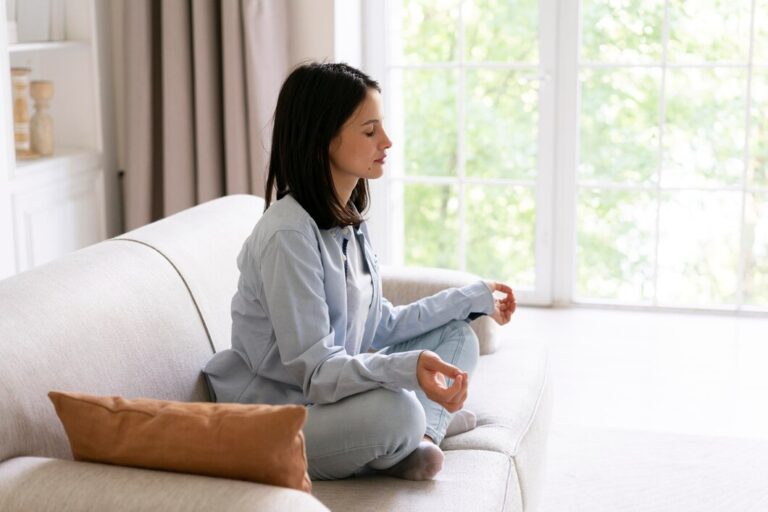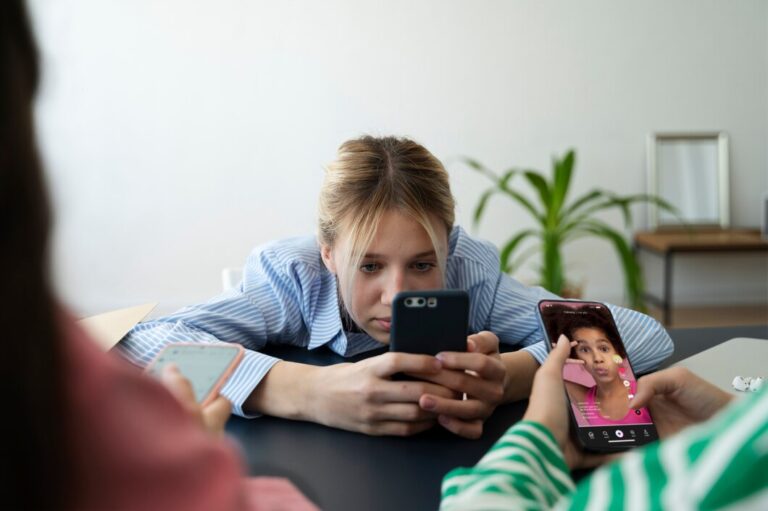
In today’s busy world, many people are searching for a more meaningful way to live, making the Slow Living Philosophy more relevant than ever. A slow living lifestyle encourages people to slow down, focus on what truly matters, and enjoy each moment with purpose. Unlike the constant rush of modern life, a slow lifestyle promotes balance, presence, and fulfillment. Rooted in the slow living movement, this approach emphasizes the benefits of slow living, including improved mental and physical well-being. Through mindful living, intentional living, simple living, and a balanced lifestyle, people can develop healthy routines that support happiness and peace. By adopting slow living habits, practicing healthy lifestyle habits, and living with intention, you can create a more meaningful slow life, embrace sustainable living, enjoy stress-free living, improve your quality of life, and even incorporate elements of a minimalist lifestyle while achieving a healthier work-life balance.
What Is the Slow Living Philosophy?
If you’ve ever wondered what is the slow living philosophy, the answer is surprisingly simple.
Slow living is a lifestyle centered on living intentionally rather than rushing through life. It encourages making thoughtful choices about how you spend your time, energy, money, and attention.
Contrary to popular belief, slow living does not mean being lazy or avoiding responsibilities. Instead, it means choosing quality over quantity and purpose over busyness.
The philosophy encourages people to:
- Focus on meaningful experiences
- Reduce unnecessary stress
- Appreciate everyday moments
- Build healthier relationships
- Create sustainable routines
- Live according to personal values instead of social pressure
Slow living reminds us that life is not a race. Instead, it’s a journey that deserves to be experienced fully.
The Origins of the Slow Living Movement
The slow living movement began as a response to increasingly fast-paced modern lifestyles.
It gained attention during the Slow Food Movement in Italy during the 1980s, where people promoted traditional cooking, local ingredients, and enjoying meals without rushing.
Over time, the philosophy expanded into every aspect of life, including:
- Work
- Family life
- Travel
- Education
- Wellness
- Home organization
- Personal development
Today, slow living has become a global lifestyle embraced by people seeking greater happiness and balance.
Why Modern Life Feels So Fast
Technology has made many tasks easier, but it has also increased expectations.
People constantly receive:
- Emails
- Notifications
- Social media updates
- Work messages
- News alerts
Many individuals multitask throughout the day, leaving little time for rest or reflection.
Living in a constant state of urgency often leads to:
- Burnout
- Anxiety
- Poor sleep
- Lack of focus
- Emotional exhaustion
The slow lifestyle offers an alternative by encouraging intentional choices instead of constant activity.
Benefits of the Slow Living Philosophy
The benefits of the slow living philosophy extend far beyond relaxation.
People who embrace slow living often experience improvements in many areas of life.
Some major benefits include:
Reduced Stress
A slower pace naturally reduces mental overload.
Better Relationships
People become more present during conversations and family time.
Improved Physical Health
Lower stress supports healthier sleep, digestion, and immune function.
Greater Happiness
Focusing on meaningful experiences often brings more satisfaction than chasing endless achievements.
Increased Productivity
Ironically, slowing down often improves concentration and efficiency.
Slow Living vs Fast-Paced Lifestyle
Understanding slow living vs fast-paced lifestyle helps explain why so many people are embracing this philosophy.
Fast-Paced Lifestyle
A fast-paced lifestyle often includes:
- Constant multitasking
- Busy schedules
- Digital overload
- High stress
- Lack of rest
- Poor work-life boundaries
People often feel busy but not necessarily fulfilled.
Slow Living Lifestyle
A slow living lifestyle emphasizes:
- Intentional decisions
- Mindful routines
- Rest
- Healthy relationships
- Meaningful work
- Balance
The goal is not doing less—it is doing what truly matters.
How to Start a Slow Living Lifestyle
If you’re wondering how to start a slow living lifestyle, remember that small changes create lasting results.
Begin with one habit at a time instead of trying to change everything overnight.
Start by:
- Simplifying your schedule
- Limiting unnecessary commitments
- Spending time outdoors
- Practicing gratitude
- Reducing digital distractions
- Creating quiet moments each day
Consistency matters more than perfection.
Slow Living Philosophy for Beginners
The slow living philosophy for beginners doesn’t require moving to the countryside or quitting your job.
No matter where you live, anyone can embrace the principles of slow living and incorporate them into their daily routine.
Begin with simple questions:
- Does this activity add value to my life?
- Am I doing this because I want to or because I feel pressured?
- Am I fully present?
These reflections encourage intentional living.
Mindful Living Creates Greater Awareness
One of the foundations of mindful living is paying attention to the present moment.
Instead of constantly thinking about tomorrow, mindfulness encourages you to fully experience today.
Mindfulness may involve:
- Eating without distractions
- Walking slowly
- Listening attentively
- Practicing meditation
- Appreciating nature
Small mindful moments create lasting emotional benefits.
Living With Intention Changes Everyday Decisions
Living intentionally involves making thoughtful decisions that reflect your personal values, priorities, and long-term goals.
Instead of reacting automatically, you become more thoughtful about:
- Spending money
- Using time
- Choosing relationships
- Building habits
- Setting goals
Intentional living helps eliminate unnecessary stress and distractions.
Simple Living Doesn’t Mean Living Without Comfort
Many people confuse simple living with giving up everything they enjoy.
In reality, simple living means removing unnecessary complexity.
This might include:
- Owning fewer possessions
- Prioritizing meaningful experiences
- Spending wisely
- Avoiding clutter
- Creating peaceful routines
Simplicity often creates more freedom rather than limitation.
Slow Living Habits for a Balanced Life
Developing slow living habits for a balanced life helps create sustainable routines.
Consider adopting these habits:
Wake Up Without Rushing
Allow yourself extra time each morning.
Eat Meals Mindfully
Avoid eating while scrolling through your phone.
Schedule Breaks
Rest improves productivity.
Spend Time Outdoors
Nature naturally slows your pace.
Practice Gratitude
Reflect on positive moments daily.
Protect Your Evenings
Create relaxing bedtime routines without constant screen time.
Slow Living Tips for Everyday Life
Here are practical slow living tips anyone can begin today.
Focus on One Task
Avoid multitasking whenever possible.
Declutter Your Space
A cleaner environment supports mental clarity.
Reduce Digital Noise
Turn off unnecessary notifications.
Learn to Say No
Protect your time and energy.
Slow Down Conversations
Listen without rushing to respond.
Appreciate Small Moments
Celebrate ordinary experiences.
Healthy Lifestyle Habits That Support Slow Living
Slow living naturally encourages healthy lifestyle habits.
These include:
- Regular exercise
- Nutritious meals
- Adequate sleep
- Hydration
- Mindfulness
- Outdoor activities
- Rest days
Health becomes part of daily living rather than another task to complete.
How Slow Living Improves Mental Health
Many people wonder how slow living improves mental health.
The answer lies in reducing chronic stress and creating emotional balance.
Slow living helps by:
- Lowering anxiety
- Improving focus
- Encouraging emotional regulation
- Supporting better sleep
- Reducing burnout
Creating space between activities allows your brain time to recover.
Digital Detox Supports a Slower Lifestyle
A regular digital detox is an important part of slow living.
Constant connectivity makes it difficult to relax.
Try:
- Phone-free meals
- Screen-free mornings
- No devices before bed
- Social media breaks
- Weekend digital detox sessions
Reducing digital distractions creates more opportunities for meaningful experiences.
Sustainable Living and Slow Living Go Together
The connection between sustainable living and slow living is natural.
Buying less, wasting less, and consuming more thoughtfully benefits both people and the planet.
Simple sustainable habits include:
- Reusing products
- Supporting local businesses
- Choosing quality over quantity
- Reducing food waste
- Walking instead of driving short distances
Slow living encourages conscious consumption.
Minimalist Lifestyle and Slow Living
A minimalist lifestyle complements slow living beautifully.
Minimalism focuses on removing excess possessions.
Slow living focuses on slowing daily life.
Together they encourage:
- Less clutter
- Less stress
- More freedom
- Greater focus
- Better financial habits
Neither requires perfection.
Both encourage intentional choices.
Self-Care Becomes More Meaningful
Slow living transforms self-care from occasional pampering into daily practice.
Self-care may include:
- Reading
- Resting
- Journaling
- Healthy meals
- Gentle exercise
- Meditation
- Creative hobbies
True self-care supports long-term wellness rather than temporary escape.
Work-Life Balance Through Slow Living
Many professionals struggle with work-life balance.
Slow living encourages healthier boundaries by:
- Setting work hours
- Taking regular breaks
- Protecting weekends
- Prioritizing family time
- Limiting overtime when possible
Balanced living improves productivity while preventing burnout.
Intentional Habits Build Lasting Change
Developing intentional habits creates sustainable improvements.
Examples include:
- Morning gratitude
- Evening reflection
- Meal planning
- Daily walks
- Reading before bed
- Weekly planning sessions
Small intentional habits produce significant long-term results.
Conscious Living Creates Purpose
Conscious living means becoming aware of how your choices affect yourself and others.
This includes:
- Purchasing responsibly
- Managing emotions
- Respecting your time
- Supporting meaningful relationships
- Living according to personal values
Conscious choices create a richer life experience.
Simple Ways to Practice Slow Living
Looking for simple ways to practice slow living?
Try these ideas:
- Wake up earlier for quiet time.
- Cook meals at home.
- Spend time in nature.
- Read physical books.
- Journal daily.
- Practice meditation.
- Limit unnecessary shopping.
- Enjoy hobbies without rushing.
- Eat slowly.
- Take regular walks.
These small practices gradually reshape your daily lifestyle.
How to Embrace Slow Living Every Day
Learning how to embrace slow living every day involves consistency rather than dramatic changes.
Daily reminders include:
- Pause before saying yes.
- Schedule downtime.
- Disconnect from technology.
- Appreciate simple pleasures.
- Focus on meaningful conversations.
- Avoid comparing yourself to others.
Each day becomes an opportunity to live with greater awareness.
Slow Living Ideas for a Healthier Lifestyle
These slow living ideas for a healthier lifestyle can inspire positive changes.
- Grow indoor plants.
- Start a gratitude journal.
- Practice yoga.
- Take mindful walks.
- Volunteer in your community.
- Create technology-free evenings.
- Cook nutritious meals.
- Spend time with loved ones.
- Learn new skills.
- Enjoy hobbies without rushing.
Improving Personal Well-Being Through Slow Living
Your personal well-being depends on much more than physical health.
Slow living supports emotional, mental, social, and spiritual wellness.
People often notice:
- Better emotional resilience
- Greater confidence
- Improved relationships
- More satisfaction
- Increased happiness
Well-being grows naturally when life becomes more intentional.
Creating a Relaxed Lifestyle
A relaxed lifestyle doesn’t eliminate responsibilities.
Instead, it changes how you approach them.
Rather than living in constant urgency, you learn to:
- Prioritize
- Plan realistically
- Rest regularly
- Focus deeply
- Let go of perfectionism
Relaxation becomes part of everyday life instead of something reserved for vacations.
Wellness Lifestyle for Long-Term Happiness
A true wellness lifestyle includes:
- Healthy nutrition
- Exercise
- Sleep
- Mental wellness
- Mindfulness
- Meaningful relationships
- Life balance
Slow living naturally supports each of these areas.
It becomes less about doing everything and more about doing the right things consistently.
Conclusion
Understanding what is the slow living philosophy is the first step toward creating a more meaningful and balanced life. By embracing a slow living lifestyle, practicing mindful living, and developing intentional habits, you can reduce stress, improve your mental wellness, and enjoy a healthier quality of life. Whether you begin with a digital detox, adopt simple living, or focus on sustainable habits, every small change contributes to lasting well-being.
The benefits of slow living go beyond relaxation—they help you achieve a stronger work-life balance, enhance personal well-being, and create a more fulfilling wellness lifestyle. Remember, slow living is not about doing less; it is about living with greater purpose, embracing conscious living, and making every moment count. Over time, these intentional choices can transform your daily routine into a peaceful, balanced, and rewarding way of life.
About the Author