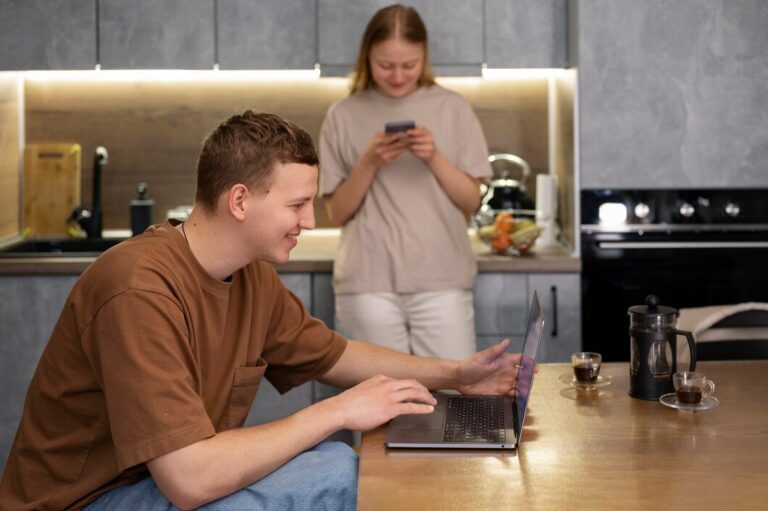
Digital burnout has become an increasingly common experience in a world where notifications, emails, social media, streaming platforms, work messages, and endless online content compete for our attention. Even when people are physically resting, their minds may remain connected to screens and digital demands. Constant connectivity can create mental fatigue, reduced concentration, irritability, and a feeling that there is never enough time to truly switch off. Finding a sustainable way to step away from this constant stimulation is therefore becoming essential. One approach gaining attention is choosing a lifestyle that prioritizes presence, simplicity, meaningful activities, and deliberate use of technology.
What Is Slow Living?
The slow living lifestyle is not about moving extremely slowly or avoiding responsibilities. Instead, it is a philosophy centered on being more intentional about how you spend your time and attention.
Modern life often encourages people to multitask. You might eat while scrolling through social media, answer messages while watching television, or check work notifications during family conversations. Slow living challenges this constant switching by encouraging people to focus on one activity at a time.
At its heart, slow living asks an important question:
“Am I spending my time on what genuinely matters to me?”
This perspective can help people recognize which activities add value and which simply consume attention.
A slower lifestyle can include simple choices such as having breakfast without a phone, taking an evening walk without headphones, reading a physical book, preparing a meal from scratch, or spending uninterrupted time with family.
These small changes can gradually create more space for rest and awareness.
Why Slow Living Helps With Digital Burnout
One of the clearest explanations for why slow living helps with digital burnout is that it reduces the pressure to remain constantly available.
Digital platforms are designed to encourage repeated engagement. Notifications invite us to check our phones. Social media feeds encourage continuous scrolling. Emails create a feeling that another task is always waiting.
Slow living introduces a different rhythm.
Instead of immediately responding to every notification, you can decide when communication deserves your attention. Instead of filling every quiet moment with a screen, you can allow yourself to experience boredom, silence, or reflection.
This is how slow living reduces digital burnout: it creates intentional pauses between stimulation and response.
The goal is not to reject technology completely. It is to stop allowing technology to determine the rhythm of everyday life.
The Connection Between Slow Living and Mental Health
The relationship between slow living and mental health is closely connected to the way people manage attention, stress, and daily expectations.
When every moment is filled with digital stimulation, the mind may have fewer opportunities to rest. Constant information consumption can make ordinary quiet moments feel uncomfortable.
The benefits of slow living for mental health come partly from creating opportunities to pause.
A slower approach can encourage:
- More mindful attention
- Better awareness of emotions
- Greater appreciation for ordinary experiences
- More time for meaningful relationships
- Reduced pressure to multitask
- More opportunities for rest
- Greater separation between work and personal life
These changes do not eliminate everyday stress, but they can create a healthier environment for dealing with it.
The benefits of slow living are therefore not limited to productivity. They can also involve emotional awareness, connection, and a greater sense of control over daily life.
Slow Living as a Digital Detox
Many people think of a digital detox as completely avoiding smartphones, computers, and social media for a specific period.
That can be useful, but it is not the only approach.
Slow living as a digital detox takes a more sustainable perspective. Rather than disconnecting for one weekend and then returning to old habits, you gradually change your relationship with technology.
For example, you could establish:
- Screen-free meals
- Phone-free morning routines
- Technology-free walks
- No-work evenings
- Screen-free bedrooms
- Scheduled social media sessions
- Notification-free periods
- Regular offline weekends
These boundaries create repeated opportunities to disconnect without requiring an extreme lifestyle change.
A successful digital detox should ultimately help you develop a healthier relationship with technology rather than making you feel that you have failed whenever you use a device.
How to Embrace a Slower, More Mindful Lifestyle in Today’s Digital Age
Learning how to practice slow living in a digital world requires realistic expectations.
Technology is part of modern life. Many people need computers for work, smartphones for communication, and digital platforms for education or essential services.
The answer is not to eliminate every digital tool.
Instead, decide which technologies deserve your attention and when.
Start by identifying moments when you automatically reach for your phone.
Do you check it immediately after waking up?
Do you scroll while eating?
Do you use social media whenever you feel bored?
Do you check work messages late at night?
Once you recognize these patterns, replace some automatic behaviors with intentional alternatives.
For example, keep your phone away from your bed and begin the morning with stretching, journaling, or making breakfast.
The objective is to create a small space between an impulse and your response.
Mindful Living and Technology
Mindful living means paying attention to what you are doing rather than constantly operating on autopilot.
Technology can make this difficult because digital platforms provide an endless supply of distractions.
You may open your phone to check one message and suddenly spend twenty minutes watching videos.
Mindfulness encourages you to pause before engaging.
Ask yourself:
- Why am I picking up this device?
- What do I want to accomplish?
- Is this activity necessary right now?
- How will I feel after spending time on it?
- Is there something more valuable I could be doing?
These questions can transform technology from an automatic habit into a conscious choice.
This is the foundation of mindful technology use.
The Role of Digital Wellness
Digital wellness is about creating a healthy relationship with technology that supports rather than interferes with everyday life.
It involves more than reducing the number of hours spent looking at screens.
Digital wellness can include:
- Managing notifications
- Creating technology-free periods
- Protecting sleep
- Taking visual and mental breaks
- Avoiding unnecessary multitasking
- Being selective about online content
- Maintaining offline relationships
- Establishing boundaries around work communication
A person can spend several hours using technology productively without feeling overwhelmed, while another person may feel exhausted after a much shorter period of fragmented scrolling.
This demonstrates why digital wellness is about quality and context as much as quantity.
Healthy Digital Habits Can Make Slow Living Easier
Developing healthy digital habits can make a slower lifestyle much easier to maintain.
One simple habit is turning off nonessential notifications. Not every application needs permission to interrupt your day.
Another is checking messages at predetermined times rather than continuously.
You can also remove distracting applications from your home screen, keep your phone out of reach while working, and avoid opening social media during every short break.
These changes may appear insignificant, but repeated behaviors shape daily routines.
The goal is not perfect digital discipline. It is reducing the number of unnecessary interruptions competing for your attention.
How to Escape Digital Burnout
If you are wondering how to escape digital burnout, begin by identifying the source rather than simply abandoning every device.
Ask yourself what is causing the greatest digital exhaustion.
Is it work emails?
Social media?
Constant messaging?
News consumption?
Online meetings?
Gaming?
Short-form videos?
Once you identify the primary source, create one boundary around it.
For example, if work notifications are the problem, establish a firm time when professional communication ends.
If social media is consuming too much attention, remove the applications from your phone and access them only through a computer.
If endless videos are affecting your evenings, create an alternative evening routine involving reading, conversation, cooking, music, or a hobby.
Specific problems usually require specific boundaries.
Slow Living and Screen Time
The relationship between slow living and screen time is not simply about counting minutes.
Instead, consider what screen time replaces.
If scrolling replaces sleep, exercise, conversation, creative activities, or relaxation, it may be worth changing the routine.
On the other hand, using a tablet to learn a language, talking to a distant relative through video calls, or creating digital artwork can be meaningful.
The goal is to make screen use intentional.
You can reduce screen time by asking whether each digital activity is serving a purpose.
Try creating several natural breaks during the day rather than attempting to eliminate technology entirely.
For example, you might have a phone-free breakfast, a screen-free lunch, and an hour without devices before bed.
These small periods can make a significant difference in how connected you feel to your surroundings.
Ways to Reduce Technology-Related Stress
There are several practical ways to reduce technology-related stress without making dramatic lifestyle changes.
Turn off unnecessary notifications
Notifications create interruptions even when you do not respond to them. Disable alerts that are not genuinely important.
Create communication windows
Instead of checking messages continuously, designate certain periods for responding.
Avoid digital multitasking
Give your attention to one task instead of switching between email, social media, messaging, and work documents.
Protect your evenings
Create a period when work-related communication stops.
Take device-free breaks
A break from a computer does not necessarily mean replacing it with a phone. Step outside, stretch, make tea, or simply sit quietly.
Curate your online environment
Unfollow accounts that make you anxious, overwhelmed, or constantly compare your life with others.
Keep technology out of certain spaces
A bedroom or dining table can become a useful technology-free zone.
These strategies can reduce the feeling that technology is constantly demanding something from you.
How to Create a Slower Lifestyle
Learning how to create a slower lifestyle does not require moving to the countryside or abandoning modern conveniences.
You can begin with your existing routine.
Choose one part of your day that feels rushed and deliberately slow it down.
Perhaps breakfast is normally consumed while checking messages. Try eating without a phone.
Maybe your commute involves endless scrolling. Try listening to music or observing your surroundings instead.
Perhaps your evenings are dominated by streaming platforms. Replace one night with cooking, reading, conversation, or another offline activity.
The key is intentional change.
A slower lifestyle is created through repeated choices rather than one dramatic transformation.
Intentional Living Prevents Burnout
Intentional living means making decisions based on your values instead of allowing habits, expectations, or algorithms to make every decision for you.
This can play an important role in preventing exhaustion.
When you intentionally choose how to spend your attention, you become less likely to fill every available moment with digital stimulation.
This explains how intentional living prevents burnout.
You might decide that family dinner deserves your full attention, that evenings are reserved for rest, or that mornings should begin without social media.
These decisions create boundaries around your attention.
Over time, intentional choices can make life feel less reactive.
Slow Living Habits for a Peaceful Life
There are many slow living habits for a peaceful life that require little money or preparation.
Try:
- Drinking your morning beverage without checking your phone
- Taking a daily walk
- Reading before bed
- Cooking without watching videos
- Keeping a handwritten journal
- Spending time outdoors
- Practicing a creative hobby
- Having uninterrupted conversations
- Eating meals without screens
- Taking regular quiet breaks
- Creating a simple evening routine
- Spending one day each week with reduced technology
The value of these activities is not that they are inherently better than digital entertainment.
Their value comes from giving your attention somewhere else.
How to Disconnect From Digital Devices
For people wondering how to disconnect from digital devices, the biggest challenge is often the fear of missing something.
Start with short periods.
Put your phone in a different room and spend 15 minutes away from it.
Then try 30 minutes.
Eventually, you may be comfortable spending an hour or more offline.
You can also establish specific technology-free rituals.
For example, keep the first 30 minutes after waking device-free. Make the final hour before sleep a low-tech period.
These predictable boundaries can make disconnection feel normal instead of uncomfortable.
Mindful Ways to Reduce Screen Time
There are many mindful ways to reduce screen time that focus on awareness rather than restriction.
Before opening an app, pause for a few seconds.
Ask what you intend to do.
If you want to check a message, check the message.
If you want to watch one video, watch it intentionally.
When the activity is complete, close the application.
This sounds simple, but it interrupts automatic scrolling.
Another technique is to keep a short record of how you feel before and after certain digital activities.
You may discover that some activities leave you energized while others leave you distracted or anxious.
That information can help you make better choices.
Slow Living Tips for Reducing Stress
These slow living tips for reducing stress can be incorporated into almost any schedule:
Start your day slowly. Avoid immediately filling your mind with notifications.
Create breathing room. Avoid scheduling every minute of the day.
Do one thing at a time. Single-tasking can reduce mental fragmentation.
Spend time outside. Even a short walk can provide a change of environment.
Choose quality over quantity. You do not need to consume every piece of online content available.
Protect quiet time. Silence can be restorative.
Prioritize relationships. Meaningful conversations can provide connection that digital interactions sometimes cannot.
Accept boredom. You do not need to eliminate every empty moment.
Build routines. Predictable habits can reduce decision fatigue.
Make rest intentional. Rest is not something that must be earned only after everything is finished.
How to Recover From Digital Burnout
Understanding how to recover from digital burnout involves both recovery and prevention.
During the recovery stage, reduce unnecessary digital demands as much as realistically possible.
Start by identifying activities that can wait.
You may not be able to stop using your computer for work, but you can potentially reduce unnecessary notifications or stop checking professional messages after working hours.
Give your mind periods of uninterrupted recovery.
Sleep is particularly important. If your phone routinely keeps you awake, consider charging it away from your bed.
Use your free time for activities that do not require constant attention from a screen.
Reading, walking, exercising, gardening, cooking, drawing, playing an instrument, and spending time with other people can all provide alternatives.
Recovery should not become another productivity project. You do not need to optimize every minute of your offline time.
Sometimes the most valuable activity is simply resting.
Why Doing Less Can Help You Feel More Present
Modern culture often equates productivity with constant activity.
There is always another notification to answer, another video to watch, another article to read, or another task to complete.
Slow living challenges this mindset.
Doing less does not necessarily mean achieving less. It can mean concentrating your energy on fewer things that matter more.
When your attention is constantly divided, even enjoyable activities can feel exhausting.
When you give yourself permission to focus, ordinary experiences can become more satisfying.
A meal can simply be a meal.
A walk can simply be a walk.
A conversation can happen without checking your phone.
This return to ordinary experiences is one of the most powerful aspects of a slower lifestyle.
Building a Balanced Lifestyle With Technology
A balanced lifestyle does not require rejecting digital technology.
Instead, it requires creating a healthy relationship with it.
Technology can help people work, learn, communicate, create, and entertain themselves. The problem occurs when digital engagement becomes automatic and begins to interfere with other areas of life.
A balanced approach might look like this:
Work: Use digital tools efficiently, but establish clear boundaries around working hours.
Communication: Stay connected without feeling obligated to respond instantly.
Entertainment: Enjoy digital content intentionally rather than endlessly.
Health: Prioritize movement, sleep, outdoor time, and real-world activities.
Relationships: Give people your attention when you are physically together.
Rest: Allow periods without notifications or digital stimulation.
This creates a relationship with technology based on choice rather than compulsion.
A Simple Seven-Day Slow Living Reset
If you want to begin immediately, consider a simple seven-day experiment.
Day 1: Turn off unnecessary notifications.
Day 2: Eat one meal without a device.
Day 3: Take a 20-minute phone-free walk.
Day 4: Avoid social media for the first hour after waking.
Day 5: Create a screen-free evening period.
Day 6: Spend several hours doing an offline hobby or activity.
Day 7: Review which changes made you feel calmer and more present.
The purpose is not to achieve perfection.
Instead, use the experiment to discover which boundaries fit your lifestyle.
The Long-Term Value of Slowing Down
The most important lesson is that slow living should not be treated as a temporary escape from modern life.
Its real value comes from changing everyday habits.
When you regularly create periods of quiet, protect your attention, and choose technology intentionally, you become less dependent on constant digital stimulation.
Over time, you may notice that you no longer feel the same urge to check every notification.
You may become more comfortable with silence.
You may discover hobbies that had been pushed aside.
You may find that conversations feel deeper when devices are not competing for attention.
These changes can support a healthier relationship with both technology and time.
Final Thoughts
Digital technology is not disappearing, and completely avoiding screens is unrealistic for most people. The better solution is learning how to use technology without allowing it to control every part of the day.
A slower lifestyle provides a practical framework for doing exactly that. By creating intentional pauses, protecting quiet time, reducing unnecessary digital interruptions, and reconnecting with offline experiences, you can gradually build a healthier relationship with technology.
The real power of slow living is not simply that it helps you spend fewer hours online. It encourages you to become more deliberate about where your attention goes.
When you practice mindful living, establish healthy digital habits, and create meaningful boundaries around devices, technology becomes a tool rather than a constant source of stimulation.
Slow living can therefore become a sustainable response to digital exhaustion. It gives you permission to pause, focus, disconnect, and experience life beyond the screen.
In a world that constantly tells us to move faster, slow living offers a different message: you do not have to respond to everything immediately, consume everything available, or fill every quiet moment. Sometimes, slowing down is exactly what allows you to feel more present, focused, and well.
About the Author