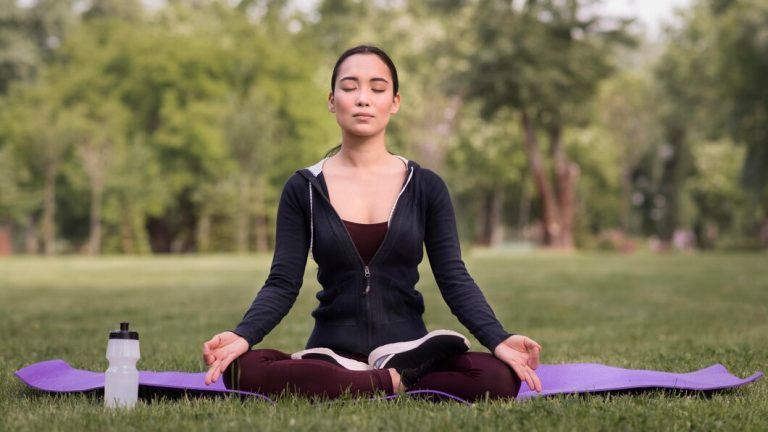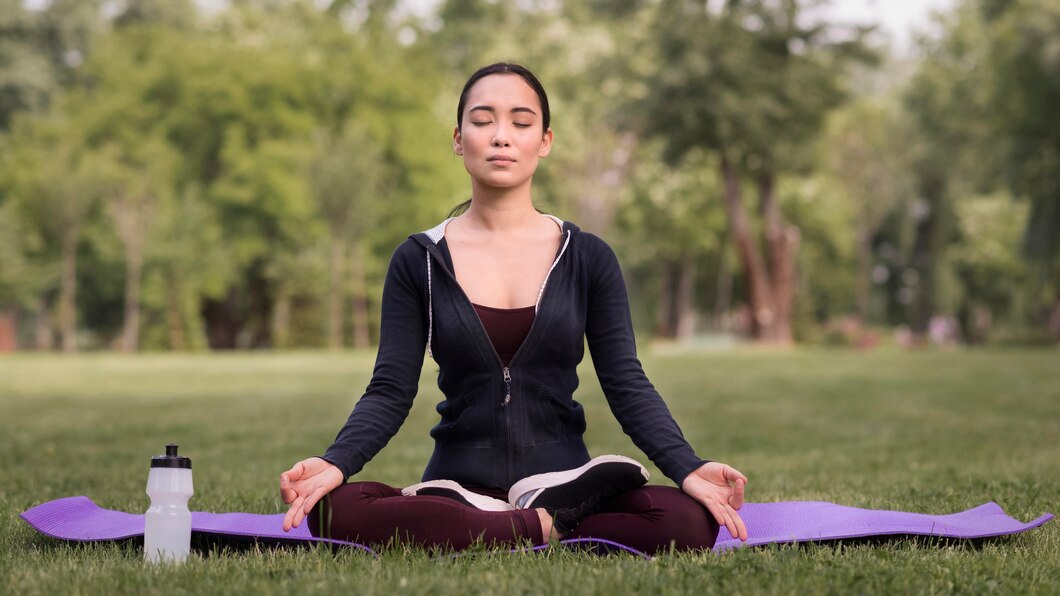
Meditation for stress and anxiety is no longer just a spiritual concept—it’s a scientifically backed method that can transform your mental well-being. Over the past few decades, researchers have uncovered powerful evidence showing how meditation changes the brain, improves emotional resilience, and helps individuals manage overwhelming thoughts. From reducing cortisol levels to enhancing focus and emotional stability, meditation is now recognized as one of the most effective tools for mental health.
In this comprehensive guide, we’ll explore meditation and brain function, how meditation rewires your mind, and why it is one of the best natural methods for meditation for anxiety relief and long-term emotional balance.
Understanding Stress and Anxiety in the Brain
Before diving into how meditation helps, it’s important to understand what happens in your brain during stress and anxiety.
When you feel stressed, your brain activates the fight-or-flight response, releasing stress hormones like cortisol and adrenaline. This response is controlled by the amygdala, the brain’s emotional alarm system.
Chronic stress leads to:
- Overactive amygdala (heightened fear and anxiety)
- Reduced function in the prefrontal cortex (decision-making and focus)
- Increased cortisol levels
- Difficulty concentrating and emotional instability
This is where meditation becomes powerful. It doesn’t just calm you temporarily—it creates lasting changes in brain structure and function.
How Meditation Changes the Brain
1. Shrinks the Amygdala (Your Stress Center)
One of the most significant brain changes from meditation is the reduction in the size and activity of the amygdala.
Studies show that regular meditation:
- Lowers emotional reactivity
- Reduces fear and anxiety responses
- Helps you stay calm in stressful situations
This explains how meditation reduces anxiety at a biological level.
2. Strengthens the Prefrontal Cortex
The prefrontal cortex is responsible for:
- Decision-making
- Focus
- Self-control
Meditation increases activity in this region, improving mental clarity through meditation and helping you respond to stress more rationally instead of emotionally.
3. Boosts Neuroplasticity
One of the most fascinating discoveries is meditation and neuroplasticity—the brain’s ability to reorganize itself.
Meditation helps:
- Form new neural pathways
- Break negative thought patterns
- Strengthen positive thinking habits
This is exactly how meditation rewires the brain for calm.
4. Reduces Cortisol Levels
Cortisol is the primary stress hormone. High levels can lead to:
- Anxiety
- Sleep problems
- Fatigue
Meditation helps regulate cortisol, which explains how mindfulness meditation reduces cortisol levels and supports overall well-being.
Scientific Benefits of Meditation on the Brain
The scientific benefits of meditation on the brain are well-documented across multiple studies.
Improved Emotional Regulation
Meditation helps you process emotions without being overwhelmed, making it a powerful tool for meditation for emotional balance.
Better Focus and Concentration
Regular practice enhances attention span and cognitive function, improving productivity and mental performance.
Enhanced Memory
Meditation strengthens the hippocampus, the part of the brain responsible for learning and memory.
Reduced Anxiety and Depression
Meditation activates calming neural pathways, making it highly effective for meditation for anxiety relief.
How Meditation Helps Reduce Anxiety Naturally
If you’re wondering how meditation helps reduce anxiety naturally, the answer lies in both brain chemistry and awareness.
Meditation teaches you to:
- Observe thoughts without reacting
- Detach from negative thinking
- Stay present in the moment
Instead of being trapped in overthinking loops, you learn to let thoughts pass without judgment.
This is why meditation is highly effective for:
- Meditation for overthinking
- Emotional stability
- Long-term mental wellness
Meditation Effects on Brain Structure and Function
Research using MRI scans shows measurable meditation effects on brain structure and function.
Increased Gray Matter
Meditation increases gray matter density in areas linked to:
- Learning
- Memory
- Emotional regulation
Stronger Brain Connectivity
It improves communication between different brain regions, enhancing overall cognitive performance.
Reduced Brain Aging
Some studies suggest meditation may slow age-related brain decline.
Mindfulness Meditation Benefits
Mindfulness meditation is one of the most popular and effective techniques.
What is Mindfulness?
It’s the practice of being fully present and aware without judgment.
Key Benefits
- Improves mindfulness and mental wellness
- Enhances emotional awareness
- Reduces stress and anxiety
- Promotes inner peace
These mindfulness meditation benefits make it a cornerstone of modern mental health practices.
Best Meditation Practices for Stress and Anxiety
If you’re looking for the best meditation practices for stress and anxiety, here are some proven methods:
1. Breathing Meditation
Focus on your breath to calm the mind.
Benefits:
- Acts as a powerful breathing exercise for anxiety
- Slows heart rate
- Reduces stress instantly
2. Body Scan Meditation
Pay attention to each part of your body.
Benefits:
- Releases physical tension
- Improves mind-body awareness
3. Guided Meditation
Listening to a guide can help beginners stay focused.
Perfect for:
- Guided meditation for anxiety and stress relief
- Deep relaxation
4. Loving-Kindness Meditation
Focus on compassion and positive emotions.
Benefits:
- Reduces negative thinking
- Promotes emotional healing
5. Visualization Meditation
Imagine calming scenes or positive outcomes.
Benefits:
- Enhances relaxation
- Supports stress management
Meditation Techniques for Stress Relief
Here are practical meditation techniques for stress relief you can start today:
1. 5-Minute Reset
Sit quietly and focus on your breath for 5 minutes.
2. 4-7-8 Breathing
Breathe in for four seconds, pause for seven, then slowly breathe out over eight seconds.
3. Observe Your Thoughts
Watch thoughts pass like clouds without engaging.
4. Gratitude Meditation
Focus on things you’re thankful for.
Daily Meditation Benefits
Consistency is key. The daily meditation benefits include:
- Reduced anxiety levels
- Improved focus
- Better emotional control
- Increased self-awareness
- Enhanced mental clarity
Even 10–15 minutes a day can create noticeable changes.
How Long Meditation Takes to Change the Brain
A common question is: how long meditation takes to change the brain?
Research suggests:
- Immediate effects: Reduced stress after one session
- 2–4 weeks: Improved focus and calmness
- 8 weeks: Measurable structural brain changes
Consistency matters more than duration.
Meditation for Calm Mind
Meditation is one of the most effective tools for achieving a meditation for calm mind state.
It helps you:
- Slow racing thoughts
- Stay grounded
- Reduce emotional overwhelm
Over time, calmness becomes your natural state rather than something you have to force.
Meditation for Overthinking
Overthinking is a major cause of anxiety. Meditation helps by:
- Breaking repetitive thought cycles
- Increasing awareness of thought patterns
- Teaching detachment
This makes it a powerful solution for meditation for overthinking.
Benefits of Meditation for Mental Health
The benefits of meditation for mental health go beyond stress reduction.
Emotional Stability
Helps you respond instead of react.
Better Sleep
Calms the mind before bedtime.
Increased Happiness
Promotes positive thinking and gratitude.
Reduced Burnout
Supports long-term mental resilience.
Meditation and Brain Function in Everyday Life
Improved meditation and brain function translates into real-life benefits:
- Better decision-making
- Stronger relationships
- Increased productivity
- Greater emotional intelligence
Meditation doesn’t just change your brain—it changes how you live.
Stress Management Techniques with Meditation
Meditation is one of the most effective stress management techniques, but it works best when combined with:
- Healthy sleep habits
- Regular exercise
- Balanced nutrition
- Digital detox practices
Together, these create a holistic approach to mental wellness.
Inner Peace and Meditation
At its core, meditation is about finding inner peace and meditation connection.
It allows you to:
- Let go of control
- Accept the present moment
- Experience deep relaxation
This sense of peace isn’t temporary—it becomes part of who you are.
Common Myths About Meditation
“I Can’t Stop My Thoughts”
Meditation isn’t about stopping thoughts—it’s about observing them.
“It Takes Too Much Time”
Even a few minutes daily can make a difference.
“It’s Only for Spiritual People”
Meditation is a practical tool backed by science.
Tips to Build a Meditation Habit
- Start small (5–10 minutes)
- Be consistent
- Use guided sessions if needed
- Create a quiet space
- Practice daily
Consistency leads to lasting brain changes.
Final Thoughts: Rewiring Your Mind for Calm
Meditation is more than a relaxation technique—it’s a powerful tool that reshapes your brain. From reducing stress hormones to strengthening emotional control, the brain health and meditation connection is undeniable.
By practicing regularly, you can:
- Reduce stress with meditation
- Achieve emotional balance
- Improve mental clarity
- Experience lasting calm
In a world filled with noise and constant stimulation, meditation offers something rare—a way to reconnect with yourself.
The science is clear. The benefits are real.
And the transformation begins with just one breath.
About the Author