Social media comparison has become one of the most emotionally draining experiences in the digital age, shaping how people view themselves, their achievements, and even their worth. In a world driven by constant scrolling and perfectly curated content, social media comparison often leads to anxiety, self-doubt, and reduced confidence. This guide explains how to overcome the pressure of online comparison, ease emotional stress, and create a sense of digital peace through mindful habits, self-awareness, and healthier social media engagement. By understanding social media mental health, learning how to reduce social media comparison, and practicing healthy social media use, it becomes possible to break free from the cycle of comparison and rebuild a stronger sense of self-worth in the digital world.
Understanding the Comparison Culture in the Digital Age
The rise of social platforms like Instagram, TikTok, and others has created an environment where people constantly compare their lives with others. This phenomenon, often referred to as comparison culture on social media, is deeply rooted in human psychology but amplified by algorithms and curated content.
What is comparison culture on social media?
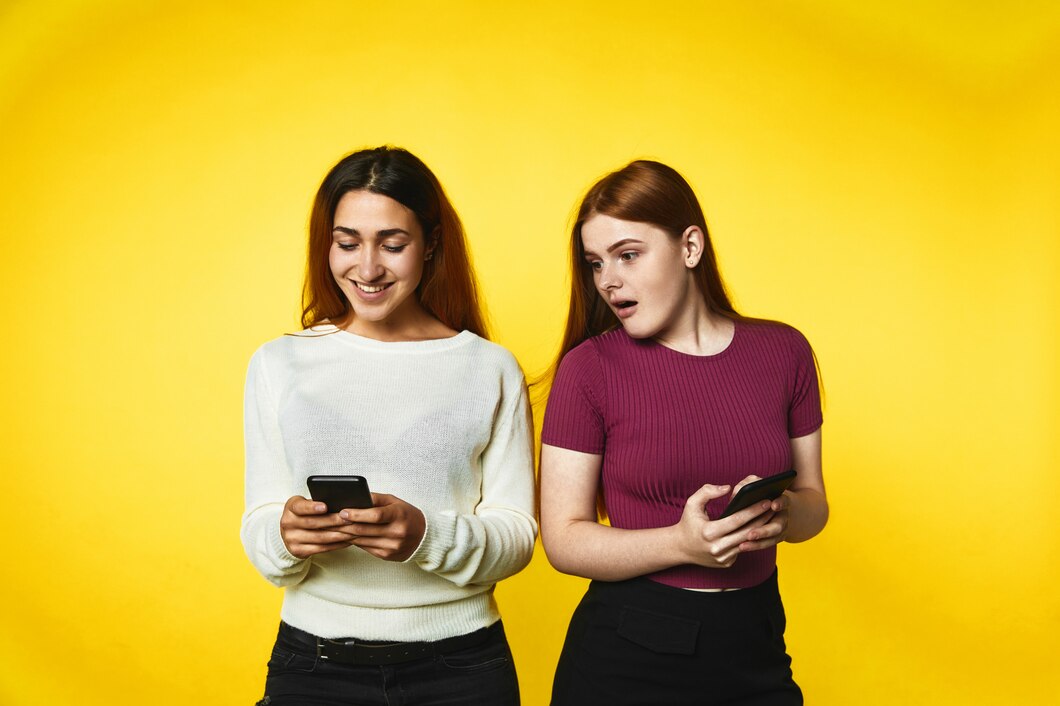
Comparison culture refers to the habitual tendency to evaluate your life, appearance, success, or relationships based on what you see online. However, what makes social media different is that you are comparing your real, unfiltered life to someone else’s carefully selected highlights.
This creates a distorted perception known as the curated online reality, where everything appears more successful, attractive, or exciting than it truly is.
Why does social media cause comparison?
Several psychological and technological factors contribute:
- Algorithm-driven content prioritization
- Constant exposure to idealized lifestyles
- Filtered and edited images
- Highlight reels instead of real life
- Instant validation through likes and comments
This combination fuels online pressure and anxiety, making comparison almost automatic.
The Online Comparison Effect and Its Emotional Impact
The online comparison effect refers to the emotional response triggered when users compare themselves with others on social platforms.
Emotional consequences of comparison
Repeated exposure to idealized content can lead to:
- Reduced self-esteem
- Increased anxiety
- Feelings of inadequacy
- Fear of missing out (FOMO)
- Negative self-perception
This is why many people begin searching for ways to stop comparing on social media and regain emotional stability.
How social media affects self-esteem and comparison
Social media influences self-esteem in subtle but powerful ways. Every like, comment, and share becomes a form of social validation. Over time, this creates dependency on external approval, often called online validation addiction.
When users do not receive expected engagement, they may feel less valuable, even though social media metrics do not reflect real-world worth.
This is one of the biggest challenges in maintaining social media and self-esteem balance today.
Social Media Mental Health: The Invisible Struggle
The connection between social media mental health and emotional well-being is becoming increasingly important in psychological research.
Does social media affect mental health?
Yes, although the effects largely depend on the way it is used.Passive scrolling and constant comparison are associated with:
- Stress
- Anxiety
- Low mood
- Sleep disturbances
- Reduced attention span
However, mindful and intentional use can create positive outcomes.
TikTok and Instagram comparison effect
Platforms like Instagram and TikTok are especially powerful because they prioritize visually appealing, emotionally engaging content.
The Instagram comparison effect and TikTok mental health impact are often linked to:
- Influencer lifestyle content
- Beauty standards
- Wealth displays
- Travel aesthetics
- Fitness perfection culture
These platforms can unintentionally reinforce unrealistic expectations.
The Psychology Behind Comparison Habit Online
Understanding why people compare themselves online is key to breaking the comparison habit online.
Social comparison theory
Humans naturally evaluate themselves relative to others. This is not new—it is a survival-based psychological behavior. However, social media intensifies this process by exposing users to hundreds of comparison points daily.
Dopamine-driven scrolling
Every scroll provides new information, triggering small dopamine hits. This reinforces repetitive behavior, even when it leads to emotional discomfort.
Identity distortion
Repeated exposure to idealized content can distort self-perception, making users feel they are falling behind in life.
Breaking Free: How to Stop Comparing Yourself on Social Media
Learning how to stop comparing yourself on social media is not about avoiding platforms entirely. It is about changing your relationship with them.
Step 1: Recognize comparison triggers
Start by noticing:
- Which accounts make you feel insecure
- What type of content triggers emotional discomfort
- When you are most likely to compare yourself
Awareness is the foundation of emotional change.
Step 2: Reduce emotional exposure
To reduce social media comparison, limit exposure to triggering content.
You can:
- Unfollow accounts that trigger insecurity
- Mute posts or stories
- Avoid scrolling during emotional lows
- Take breaks from highly curated platforms
Step 3: Shift from consumption to creation
One powerful method of overcoming comparison is actively creating content instead of passively consuming it.
This shifts focus from “What do I lack?” to “What can I express?”
Step 4: Reframe what you see online
Remind yourself:
- You are seeing highlights, not reality
- Everyone has struggles not shown online
- Social media only shows a limited version of real life
This helps reduce emotional distortion.
Guide to Digital Peace and Mental Clarity
Achieving digital peace means creating emotional balance while using technology, rather than letting it control your mental state.
What is digital peace?
Digital peace refers to a calm, intentional, and stress-free relationship with technology where online interactions do not negatively impact self-worth or emotional well-being.
Why digital peace matters
Without digital peace, people often experience:
- Constant comparison anxiety
- Information overload
- Emotional exhaustion
- Reduced focus
- Mental clutter
A guide to digital peace and mental clarity focuses on reclaiming emotional stability in the online world.
How to Build a Healthy Relationship With Social Media
Building a healthy relationship with platforms is essential for long-term emotional wellness.
Set emotional boundaries
Healthy boundaries may include:
- No scrolling before bed
- No social media during meals
- Time-limited usage
- Scheduled breaks
These habits support social media boundaries and emotional balance.
Practice mindful social media usage
Instead of unconscious scrolling, ask:
- Why am I opening this app?
- How do I feel after using it?
- Is this helping or draining me?
This is part of mindfulness in digital life.
Follow intentional accounts
Curate your feed to include:
- Educational content
- Motivational creators
- Mental health awareness pages
- Positive lifestyle content
This supports positive social media habits.
Ways to Reduce Comparison on Instagram and TikTok
Many users specifically want to know ways to reduce comparison on Instagram and TikTok, as these platforms are highly visual and fast-paced.
Use “intentional scrolling” mode
Set a purpose before opening the app:
- Checking messages
- Learning something
- Posting content
Avoid aimless browsing.
Limit exposure to highlight reels
Remember that influencers and creators often present:
- Edited photos
- Professional lighting
- Selective storytelling
This helps reduce emotional impact of comparison.
Take algorithm breaks
Pause engagement for a few days to reset your feed recommendations.
Cultivating Self-Worth in the Age of Social Media
One of the most powerful tools for overcoming comparison is building internal validation.
Self-worth is internal, not digital
Likes and comments are temporary feedback signals, not indicators of value.
Self-confidence building habits
To strengthen confidence:
- Practice gratitude
- Track personal progress
- Celebrate small wins
- Reduce self-criticism
- Engage in offline achievements
These habits help in cultivating self-worth in the age of social media.
Emotional Resilience Online
Developing emotional resilience online helps users handle negative feelings triggered by social platforms.
Strengthen emotional awareness
Notice emotional shifts while scrolling.
Pause before reacting
Instead of reacting emotionally to content, pause and reflect.
Avoid comparison spirals
Once comparison begins, shift attention to offline activities.
Digital Detox for Mental Peace
A social media detox for mental peace involves temporarily stepping away from platforms to reset emotional balance.
Benefits of digital detox
- Reduced anxiety
- Improved focus
- Better sleep
- Increased self-awareness
- Stronger real-life connections
Simple detox ideas
- 24-hour social media break
- Weekend offline time
- App deletion for a few days
- Notification-free days
These practices support digital detox benefits and emotional clarity.
Digital Minimalism for Emotional Well-being
Digital minimalism for emotional well-being focuses on using fewer digital tools more intentionally.
Principles of digital minimalism
- Use less but better platforms
- Eliminate unnecessary apps
- Prioritize meaningful interactions
- Reduce passive consumption
This helps reduce emotional overload and supports mental peace.
Social Media Addiction and Emotional Dependency
In some cases, excessive use leads to social media addiction, where users feel compelled to check apps repeatedly.
Signs of unhealthy usage
- Constant checking habits
- Anxiety when offline
- Difficulty focusing
- Sleep disruption
- Emotional dependence on likes
Recognizing these patterns is essential for change.
Mindful Scrolling Habits for Everyday Use
Developing mindful scrolling habits can significantly reduce comparison stress.
Techniques for mindful usage
- Scroll with intention
- Take breaks every 10–15 minutes
- Avoid emotional scrolling
- Log off after set time
Social Media Anxiety: Why It Happens
Many users experience social media comparison anxiety due to:
- Fear of missing out
- Performance pressure
- Social validation dependency
- Constant exposure to success stories
Understanding this helps in reducing its emotional impact.
How to Stop Feeling Inadequate Online
Feeling inadequate online is often a result of distorted perception, not reality.
Reframe your thinking
- Everyone has struggles
- Online success is curated
- Your journey is unique
Focus on real-life progress
Shift attention from comparison to personal growth.
Tech-Life Balance and Healthy Digital Habits
Achieving tech-life balance is essential for emotional stability.
Healthy habits include:
- Screen-free mornings
- Offline hobbies
- Scheduled social media use
- Real-world social interactions
These practices support healthy digital habits and emotional wellness.
How to Build Confidence in the Digital Age
Confidence in the digital age comes from internal validation rather than online approval.
Confidence-building strategies
- Limit comparison exposure
- Track personal achievements
- Engage in real-world skills
- Practice self-compassion
Self-Confidence and Emotional Well-being Online
Strong self-confidence helps reduce the emotional impact of comparison culture.
When users develop internal validation, they are less affected by:
- Likes
- Follower counts
- Viral content
- Influencer lifestyles
Positive Social Media Habits for Long-Term Peace
To maintain emotional wellbeing online, develop positive habits such as:
- Following inspiring content
- Limiting usage time
- Engaging meaningfully
- Taking regular breaks
Internet Culture Psychology and Comparison Behavior
Internet culture shapes how people perceive success and happiness.
Key influences include:
- Viral trends
- Influencer marketing
- Highlight culture
- Engagement-driven algorithms
Understanding this helps users detach from unrealistic expectations.
How to Use Social Media Without Stress
Many people ask how can I use social media without stress.
The answer lies in intentional use:
- Follow content that uplifts you
- Avoid emotional scrolling
- Set boundaries
- Take breaks regularly
Final Thoughts: Choosing Digital Peace Over Comparison
Letting go of comparison culture on social media is not about rejecting technology—it is about reclaiming emotional control in a digital world designed for constant evaluation.
By practicing mindful usage, building self-worth, and reducing exposure to triggering content, anyone can move toward greater digital peace.
True emotional freedom comes when social media stops being a measuring tool and starts becoming a controlled, intentional space.
When you shift from comparison to awareness, from validation to self-trust, and from scrolling to living, you begin to experience a healthier and more peaceful digital life.
About the Author