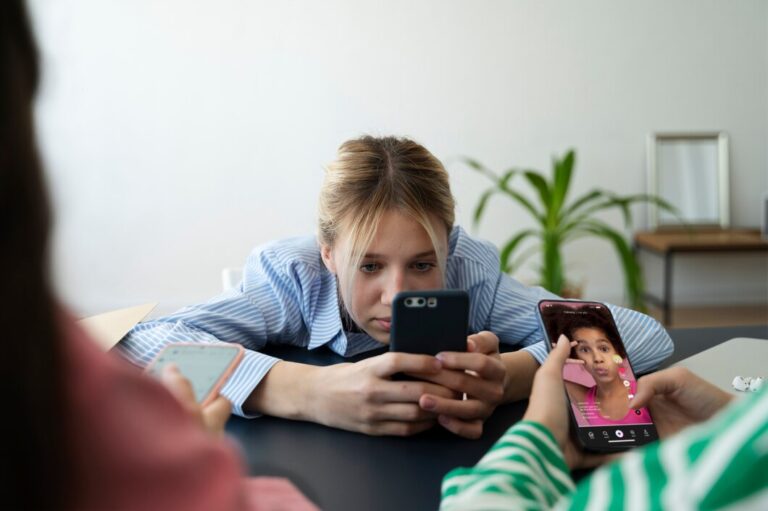
Learning how to take a social media break can help you create healthier digital habits, protect your attention, and make more time for activities that matter in everyday life. Social media platforms make it easy to stay connected with friends, follow current events, discover new interests, and share personal experiences. However, constantly checking notifications, scrolling through feeds, and comparing your life with other people’s posts can sometimes leave you feeling distracted, overwhelmed, or mentally exhausted. Taking a step back gives you an opportunity to understand how these platforms affect your mood, routines, and productivity.
A social media break does not necessarily mean deleting every account or avoiding the internet completely. It can involve logging out of selected platforms, limiting daily screen time, or choosing specific periods when you do not check social media. For some people, a short pause is enough to create more awareness of their habits. Some people may choose to stay away from social media for an extended period to build healthier daily habits and limit distractions that interrupt their focus.
Understanding how to take a social media break involves more than simply putting your phone away. It means identifying why you want a change, deciding how long your break should last, preparing for moments when you feel tempted to scroll, and finding meaningful alternatives to online activity. With a realistic plan, you can use the experience to improve your relationship with technology without feeling disconnected from the people and information you value.
Why Take a Social Media Break?
Social media can be an enjoyable part of daily life, but using it without clear boundaries may interfere with concentration, sleep, emotional well-being, and personal relationships. A planned break helps you examine these effects and decide which digital habits deserve to change.
The experience is different for everyone. Some people feel more relaxed after reducing their social media use, while others notice that they have more time for hobbies, exercise, reading, or face-to-face conversations. The goal is not to assume that social media is always harmful but to understand when your usage stops serving you well.
1. Support Better Mental Health
Social media exposes users to a constant stream of opinions, photographs, personal updates, advertisements, and news. Depending on what appears in a feed, this content may influence how people feel about their appearance, achievements, relationships, or lifestyle.
For example, repeatedly viewing posts about expensive holidays, career milestones, or idealized routines may encourage unfair comparisons with your own circumstances. Negative news and online arguments can also contribute to feelings of frustration or emotional overload.
Taking a social media break creates distance from these repeated influences. You can spend time noticing your emotions without constantly reacting to new posts or comments.
A break will not automatically resolve anxiety, low mood, or other mental health concerns. However, it may help you identify whether particular platforms or online interactions contribute to your distress.
2. Improve Focus and Productivity
Have you ever picked up your phone to view a single alert, only to realize that you have spent the next twenty minutes scrolling through it? This is a common problem when short visits turn into extended scrolling sessions.
Frequent interruptions can make it harder to maintain attention on a task. Even a quick check may encourage you to switch between work, messages, videos, and other activities before returning to what you were doing.
One of the practical social media break benefits is the opportunity to reduce these interruptions. Without constant notifications, you may find it easier to concentrate on studying, completing work, reading, or finishing household responsibilities.
A temporary break can also help you recognize how often you reach for your phone automatically rather than because you have a specific reason to use it.
3. Create More Time for Everyday Activities
Social media often occupies small periods throughout the day, such as waiting for food, sitting on public transport, or taking a short break between tasks. Although these moments seem insignificant, repeated scrolling can consume a considerable amount of time.
Reducing social media use can create opportunities for activities that might otherwise be postponed.
You could use that time to prepare a meal, take a walk, practise a creative skill, organize your surroundings, or speak with a family member. You do not need to fill every spare moment with something productive. Resting without looking at a screen can also be valuable.
The purpose is to make more deliberate choices about how you spend your attention.
4. Improve Sleep Habits
Checking social media late at night can make it difficult to maintain a consistent bedtime. Captivating clips, incoming messages, and continuously refreshing content can keep you glued to your screen and delay your bedtime.
Using a phone close to bedtime can also expose you to stimulating content when you are trying to relax.
A social media detox can help you establish a calmer evening routine. For example, you might stop checking social platforms an hour before sleeping, charge your phone away from your bed, or replace nighttime scrolling with reading or gentle stretching.
These changes may support better sleep habits, although sleep quality also depends on other factors, including stress, health, and your overall routine.
5. Strengthen Real-Life Connections
Online communication can help people maintain friendships across long distances. However, social media can sometimes compete with in-person conversations when notifications and feeds constantly demand attention.
A temporary break gives you an opportunity to reconnect with people without the distraction of checking your phone.
Consider meeting a friend for coffee, spending quality time talking with your family, participating in community events, or reaching out by phone to someone you have lost touch with.
The aim is not to abandon online relationships. Instead, it is to make sure digital communication complements rather than replaces the forms of connection that matter to you.
Decide How Long Your Break Should Last
Before you begin, decide what you want your social media break to achieve. Your goal will help determine whether you need a short pause, a weekend away from selected platforms, or a longer period of reduced use.
There is no universal duration that works for everyone. The most useful approach is to choose a manageable timeframe and assess how you feel during the experience.
Start With a Short Break
If you have never taken a break before, begin with a few hours or one day. This gives you a chance to observe your habits without making a major change to your routine.
You might decide not to use social media during working hours, switch off your apps for an afternoon, or avoid scrolling throughout one evening.
Notice the situations in which you automatically feel the urge to pick up your phone without consciously thinking about it. Are you bored, stressed, lonely, or simply following a familiar habit?
Recognizing these triggers can help you decide what to change next.
Try a Weekend Social Media Detox
A weekend break may be useful if you want to experience a longer period away from social feeds.
Choose a start and end time, then log out of the platforms you want to avoid. Plan a few enjoyable activities so that you are not left wondering what to do whenever you have spare time.
You could spend the weekend outdoors, cook something new, visit a friend, read a book, or work on a personal project.
At the end of the weekend, consider whether you felt less distracted, more connected to your surroundings, or simply different in your use of free time. Your observations matter more than meeting an arbitrary target.
Consider a Longer Break
Some people choose to stop social media temporarily for a week or longer, particularly when their current habits feel difficult to manage.
A longer break can provide more opportunities to practise alternative routines. However, it may require additional preparation if you use social platforms for work, community activities, business promotion, or communication.
You can make gradual changes without quitting all social media platforms simultaneously. You can take a break from Instagram while continuing to use a messaging service for essential conversations, for example.
Choose a duration that fits your responsibilities and the changes you want to make. If a complete break feels unrealistic, limiting access to specific times of day is also a reasonable starting point.
Prepare Before Logging Out
Preparation can make a social media break easier to maintain. If you rely on social platforms for communication or work, leaving without a plan may create unnecessary difficulties.
A few simple adjustments can help you avoid common obstacles and make the experience more comfortable.
1. Identify Your Main Reason
Start by writing down why you want to take a break.
Perhaps you want to concentrate better while studying, spend less time comparing yourself with others, reduce late-night scrolling, or become more present with your family.
A clear reason gives you something to return to when you feel tempted to log back in.
Instead of setting a vague goal such as using your phone less, choose something specific: avoid social media during meals, protect the first hour of your morning, or complete work tasks without checking social feeds.
2. Tell Important Contacts How to Reach You
If friends or family usually contact you through social media, let them know that you will be less active for a while.
You can share an alternative way to reach you, such as a phone call, text message, or another communication service.
If you use social platforms for business, schedule necessary updates in advance or arrange for essential messages to be handled appropriately.
This approach can ease concerns about overlooking an important message when you are not checking your phone.
3. Turn Off Notifications
Notifications can encourage you to open an app even when you have no intention of browsing.
Disable nonessential alerts from social platforms, including likes, suggested posts, new followers, and general activity updates.
If you are not ready to stop using an app completely, consider moving it away from your home screen or signing out after each session.
These small changes create an additional pause between the urge to check your phone and the decision to open an application.
4. Remove Easy Access to Tempting Apps
For a more structured break, remove selected social media apps from your phone temporarily.
You can also use built-in screen-time controls or app blockers to limit access during particular hours.
You do not need to delete your accounts unless that is your personal preference. Logging out or uninstalling an app may be enough to interrupt an automatic habit.
If you need a platform for work, consider accessing it through a computer at a planned time instead of keeping it readily available on your phone.
5. Plan How You Will Spend Your Free Time
One reason people return to social media quickly is that scrolling has become their default response to boredom.
Before beginning your break, list a few activities you genuinely enjoy. These might include listening to music, walking, gardening, cooking, drawing, exercising, reading, or meeting friends.
Keep your expectations realistic. You do not need to fill every minute with a new hobby or turn your break into a self-improvement challenge.
Having a few alternatives ready simply makes it easier to choose something other than scrolling.
What to Do During a Social Media Break
Once you begin your break, the aim is to develop a healthier relationship with your attention rather than focus entirely on what you are avoiding.
At first, you might catch yourself picking up your phone automatically, even when there is no specific reason to use it. That does not mean the break is failing. It gives you an opportunity to recognize the situations that trigger your social media use.
1. Replace Scrolling With Activities You Enjoy
Choose activities that make you feel engaged, relaxed, or connected to your surroundings.
For example, you could spend time reading, learning a practical skill, listening to a podcast, exercising, or exploring a nearby place.
You can also enjoy unstructured time. Sitting outside, listening to music, or taking a quiet break without checking your phone may be enough.
The most sustainable replacement is one that fits naturally into your life rather than something you feel forced to do.
2. Practise Mindful Phone Use
You do not necessarily need to avoid every digital device during a social media break.
You may still need your phone for navigation, banking, work, calls, or important messages. The key is to separate purposeful use from automatic scrolling.
Before unlocking your phone, pause and ask yourself what you intend to do. Once you have completed that task, put the device away instead of opening another app out of habit.
This small habit can help you better understand your digital habits and make more mindful choices about using technology.
3. Spend Time Outdoors
Outdoor activities can provide a change of environment and give your mind a break from constant digital input.
Consider taking a walk, visiting a park, cycling, gardening, or sitting outside for a few minutes during the day.
You do not need an elaborate outing. Even a short walk without checking social media can help you redirect your attention towards your surroundings.
If you enjoy taking photographs, you can still use your phone as a camera without immediately posting everything online.
4. Write Down Your Thoughts and Feelings
Journaling can help you understand what changes during your break.
At the end of each day, consider writing a few sentences about your mood, concentration, sleep, and phone habits.
You might ask yourself:
- Did I feel less distracted today?
- At what times or in which situations did I feel the strongest urge to open social media?
- What did I do instead?
- Did I miss anything important?
- Which activities made me feel connected or relaxed?
You do not need to track every detail. A few honest observations can help you decide which habits you want to keep.
Remember that your mood may fluctuate during a break. Some people feel relieved, while others feel bored, disconnected, or worried about missing updates. These reactions do not automatically mean that you should continue or stop the break.
5. Reconnect With People Offline
Use some of your newly available time to strengthen personal connections.
Call a friend, arrange a family meal, meet someone for a walk, or participate in a community activity.
If you feel lonely during your break, consider reaching out directly instead of returning to scrolling simply to feel connected.
Offline contact is not always possible, especially for people whose friends and family live far away. In those cases, planned calls and direct messages can help maintain relationships without requiring constant social media browsing.
6. Allow Yourself to Feel Bored
Feeling bored does not always mean you need to find something to do right away.
When you become accustomed to frequent online stimulation, quiet moments may initially feel uncomfortable. You may notice an urge to check your phone whenever there is nothing happening.
Try allowing these moments to pass without immediately filling them with content. You might observe your surroundings, think about a task, or simply rest.
Over time, this can help you become more comfortable choosing when to engage with digital entertainment instead of responding automatically to every idle moment.
How to Return Without Falling Into Old Habits
A social media break does not have to end with a return to your previous routine. You can use what you learned to create a more balanced approach to technology.
The aim is not to give up social media permanently, but to develop a healthier relationship with it. Instead, focus on choosing how social media can complement your daily routine without taking over your time and attention.
1. Review Your Experience
Before logging back in, reflect on your break.
Consider which parts felt helpful and which were difficult. Did you have more time for personal activities? Was it easier to concentrate? Did you miss important information, or did you discover that you checked social media less often than expected?
Your answers can help you choose which boundaries to maintain.
Avoid judging the entire experience based on one particularly good or difficult day. Look for patterns across the period.
2. Reintroduce Platforms Gradually
You do not have to reinstall every application and restore all notifications immediately.
Start with the platforms that serve a clear purpose. You might return to a messaging or community platform first while continuing to avoid the accounts that encourage unhelpful comparisons or extended scrolling.
If you want to take a break from Instagram specifically, consider returning with a limited schedule rather than opening the app whenever you have a spare moment.
You can also unfollow or mute accounts that consistently leave you feeling overwhelmed.
3. Set Clear Daily Limits
Choose practical boundaries that you can maintain.
For example, you could check social media during lunch and once in the evening rather than throughout the day. Another option is to keep your phone away during meals, focused work, or conversations.
Use screen-time tools if they help you stay aware of your habits, but avoid treating a limit as a measure of personal worth.
The purpose of a boundary is to make your choices more intentional, not to create unnecessary pressure.
4. Protect Your Morning and Evening Routines
Consider keeping social media out of the first part of your morning and the final part of your evening.
Instead of beginning the day with a feed, you might have breakfast, stretch, prepare for work, or review your priorities.
At night, try reading, listening to calming music, or preparing for the following day.
These routines can create predictable periods when your attention is not constantly directed towards online updates.
5. Curate Your Feed
Returning to social media does not mean that you must follow the same accounts as before.
Review the content you see regularly. Keep accounts that provide useful information, enjoyable entertainment, creative inspiration, or meaningful connections. Mute or unfollow accounts that repeatedly contribute to stress, unwanted comparisons, or arguments.
You can also review the platform’s recommendation and notification settings where available.
A more intentional feed may make social media feel less overwhelming, although your experience will depend on the platform and the content it recommends.
6. Treat Setbacks as Information
You may find yourself scrolling longer than intended after your break. This is not proof that the experience was pointless.
Notice what happened. Were you tired, stressed, bored, or avoiding a difficult task? Identifying the trigger can help you make a more useful adjustment.
You might need stronger app limits, a different evening routine, or more opportunities to connect with people offline.
If your previous habits return, you can take another short break or revise your boundaries. Healthy digital habits develop through repeated choices, not perfect consistency.
FAQ
1. How long should a social media break last?
There is no fixed duration that works for everyone. You can begin with a few hours, one day, or a weekend and decide whether a longer break would be useful. Choose a timeframe that fits your responsibilities and goals, then evaluate how the experience affects your daily routine.
2. What are the main social media break benefits?
Potential benefits include fewer digital distractions, more time for offline activities, greater awareness of online habits, and opportunities to establish healthier sleep and communication routines. Some people also find that taking a break helps them recognize which content affects their mood. However, individual experiences vary, and a break does not guarantee improvements in mental health.
3. How do I take a social media break without deleting my accounts?
You can log out, remove apps from your phone, disable notifications, or use screen-time settings to limit access. You may also choose specific times when you will not browse social platforms. These options allow you to take a break without permanently deleting your profile or losing access to your account.
4. Can I still use WhatsApp during a social media detox?
Yes. A social media detox does not have to involve avoiding every communication tool. You can continue using messaging services for important conversations while taking a break from scrolling through feeds. Decide which digital services you need and set boundaries around the ones you want to reduce.
5. How can I stop social media temporarily when I use it for work?
Separate work-related activity from personal browsing. You might access business accounts through a computer, schedule posts in advance, disable nonessential notifications, or check messages during planned periods. If other people depend on your account, arrange coverage or communicate your availability before taking a break.
6. Is taking a break from Instagram helpful?
Taking a break from Instagram may be useful if you notice that browsing the platform contributes to distraction, unwanted comparisons, or excessive screen time. You can log out for a few days, uninstall the app temporarily, or limit use to specific periods. Pay attention to how you feel and whether your habits change rather than assuming that every person will experience the same results.
7. What should I do when I feel bored without social media?
Try an activity that suits your energy level, such as walking, listening to music, reading, cooking, or contacting a friend. You can also allow yourself to experience boredom without immediately filling the time. The aim is to develop more choices about how you spend your free time rather than replace every minute of scrolling with another task.
8. Will a social media break improve my mental health?
It may help some people reduce specific sources of distraction or emotional strain, particularly when their social media habits contribute to these difficulties. However, results vary, and a break is not a guaranteed treatment for mental health conditions. If anxiety, low mood, or other difficulties persist or interfere with everyday life, consider speaking with a qualified mental health professional.
Conclusion
Learning how to take a social media break is about making more deliberate choices with your time, attention, and digital habits. Whether you step away for one afternoon, take a weekend social media detox, or temporarily stop using selected platforms, the experience can help you understand how online activity fits into your everyday life.
Start by identifying your reasons, choosing a realistic duration, and preparing alternatives to scrolling. During the break, pay attention to your mood, concentration, sleep, and relationships. When you return, use what you learned to establish boundaries that feel practical and sustainable.
You do not have to abandon social media completely to create a healthier relationship with technology. Small changes, such as turning off unnecessary notifications, keeping your phone away during meals, and limiting late-night browsing, can help you use digital platforms more intentionally.
Ultimately, the purpose of a social media break is not to follow a perfect routine. It is to create more room for the activities, relationships, and experiences that make your everyday life meaningful.
About the Author