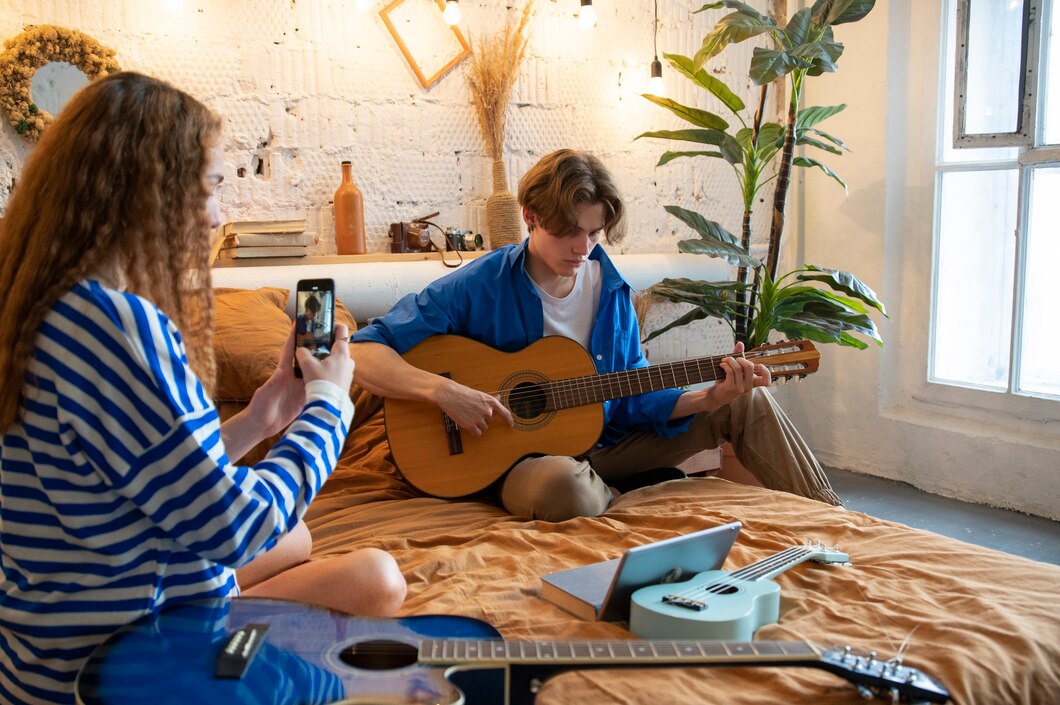
Spending less time on phones, tablets, computers, and streaming services does not mean you have to give up entertainment. The goal is to swap certain screen-based routines for enjoyable activities that can be done without digital devices. Offline hobbies can give your attention a different direction while helping you spend more time creating, moving, learning, or connecting with other people.
From gardening and reading to painting and hiking, there are countless hobbies without screens that can fit different personalities and lifestyles. Some require very little equipment, while others can become long-term skills or creative pursuits. You can also choose activities based on whether you want to relax, exercise, socialize, or challenge yourself.
If you frequently reach for your phone whenever you have a free moment, introducing a few screen-free hobbies into your routine can provide a practical alternative. The aim is not to completely remove technology from your daily life. Instead, offline activities can create intentional periods when your attention is focused on something happening in the physical world.
Here are 20 enjoyable hobbies to reduce screen time, organized around creativity, outdoor activities, social connection, and relaxation.
Why Offline Hobbies Matter
Screens are part of everyday life. We use them for work, education, communication, entertainment, shopping, navigation, and countless other tasks. Because digital devices are so convenient, it can be easy to continue using them even when we originally intended to take a short break.
An offline hobby provides a ready-made alternative.
Instead of automatically opening a social media app or watching another video, you can pick up a book, work on a puzzle, water your plants, or head outside for a walk.
They Give Your Attention a Different Focus
Many digital activities encourage rapid switching between information, notifications, messages, and entertainment. Offline activities often have a more continuous rhythm. Reading a physical book, knitting a scarf, painting a picture, or building a model requires you to stay with one activity for a period of time.
They Encourage Creativity
Creative analog hobbies can turn free time into an opportunity to make something. Drawing, writing, pottery, woodworking, and similar activities allow you to experiment without relying on digital tools.
They Can Make Breaks More Meaningful
A screen break does not have to mean sitting around with nothing to do. Having a hobby ready makes it easier to step away from devices because you already have something enjoyable waiting.
They Can Support Social Connection
Many hobbies can be shared with other people. Board games, cooking classes, gardening groups, sports, book clubs, and craft circles can turn offline time into an opportunity to interact face-to-face.
They Create Physical Reminders of Your Time
Digital entertainment can disappear as soon as you close an app. Offline hobbies often produce something tangible. A finished painting, handwritten journal, knitted item, planted garden, or completed puzzle provides a visible reminder of your effort.
20 Offline Hobbies to Try
There is no single best hobby for everyone. The ideal activity depends on your interests, available space, budget, physical ability, and the amount of time you want to spend.
Here are 20 options worth exploring.
Creative Hobbies
1. Drawing and Sketching
Drawing is one of the simplest hobbies without screens. All you need is paper and a pencil, although you can eventually experiment with charcoal, colored pencils, pastels, ink, or watercolor.
You do not need to consider yourself an artist. Start by sketching everyday objects, plants, buildings, or people. The objective is to enjoy the process rather than produce perfect artwork.
Keeping a small sketchbook nearby can also make it easier to choose drawing instead of reaching for your phone.
2. Painting
Painting can provide a more immersive creative experience. Watercolors are convenient for beginners because they require relatively little space, while acrylics and oils provide different textures and techniques.
You can begin with simple subjects such as flowers, landscapes, fruit, or abstract patterns. Over time, you may discover particular styles and subjects that interest you.
Painting is especially useful as one of your screen-free hobbies because the activity naturally occupies both your hands and attention.
3. Creative Writing
Writing does not have to happen on a laptop. Try keeping a paper notebook for short stories, poetry, observations, fictional characters, or personal reflections.
You could establish a simple challenge, such as writing one page each morning or creating a short story every weekend.
A handwritten notebook can make writing feel different from everyday digital communication.
4. Knitting or Crochet
Knitting and crochet are practical analog hobbies that combine creativity with repetitive hand movements. Beginners can start with simple projects such as scarves, dishcloths, coasters, or small decorative items.
As your skills develop, you can try clothing, blankets, bags, or gifts.
Because these crafts can be practiced while sitting comfortably, they can be a convenient evening alternative to scrolling.
5. Origami
Origami requires very little equipment: mainly paper and patience. Folding paper into animals, flowers, boxes, and geometric designs can become surprisingly challenging as you move toward more advanced patterns.
It is inexpensive, portable, and easy to practice in short sessions.
6. Woodworking
For people who enjoy practical projects, woodworking can become a rewarding long-term hobby. Beginners can start with relatively simple projects such as shelves, boxes, planters, or small decorations.
Safety is important, particularly when using power tools. Start with appropriate equipment, learn basic techniques, and work in a suitable space.
Outdoor Hobbies
7. Gardening
Gardening is an excellent way to replace indoor screen time with an activity that involves movement, planning, and patience.
You can grow flowers, herbs, vegetables, or indoor plants depending on your available space. You can get started with gardening using just a small balcony or a few plant containers.
Gardening also offers a natural reason to spend time outside and observe gradual changes rather than expecting immediate results.
8. Hiking
Hiking offers a great way to stay active, discover new places, and take a break from screens and digital interruptions. You can begin with short local trails and gradually explore longer routes.
For a more intentional screen break, keep your phone stored safely rather than checking it repeatedly. If you need it for navigation or emergencies, use it when necessary and return your attention to the surroundings.
9. Cycling
Cycling can be both a hobby and a practical form of transportation. You can ride around your neighborhood, explore designated cycling paths, or plan longer recreational routes.
If you are new to cycling, start with manageable distances and use appropriate safety equipment.
10. Birdwatching
Birdwatching helps you slow your pace and become more aware of the natural world around you. You can begin with a simple set of binoculars and a guidebook for identifying different bird species.
Instead of relying entirely on digital identification tools, consider keeping a paper bird journal where you record the species you see, location, date, and observations.
11. Walking and Nature Exploration
Walking can turn into an enjoyable hobby when you use each outing as a chance to discover and appreciate your surroundings.
Try visiting different parks, walking new routes, observing seasonal changes, or photographing less often and simply paying attention to sounds, plants, architecture, and wildlife.
Walking requires little to no special gear, making it a simple and accessible way to spend less time on screens.
Social Hobbies
12. Board Games
Board games offer a straightforward alternative to digital gaming. Strategy games can challenge your problem-solving abilities, while party games can create laughter and conversation.
Playing games together in person creates quality time with family and friends while keeping everyone engaged instead of focused on individual screens.
13. Book Clubs
Reading can be a solitary activity, but a book club adds a social element. Members can choose a book, read it during the month, and meet to discuss characters, themes, ideas, and reactions.
Choosing a printed book can make the experience completely free from digital screens.
14. Cooking With Friends or Family
Cooking can be a fun social activity when you prepare and share meals with family or friends. Choose a cuisine, recipe, or ingredient theme and spend an afternoon experimenting together.
You can keep a handwritten recipe collection and gradually build your own collection of favorite dishes.
15. Volunteering
Volunteering is a meaningful way to use your free time while contributing to your local community. Opportunities may include helping at community events, supporting animal organizations, assisting older adults, participating in environmental projects, or contributing to local initiatives.
The exact opportunities depend on your location and interests.
Relaxing Hobbies
16. Reading Physical Books
Reading is one of the classic screen-free hobbies. Fiction can provide entertainment, while nonfiction can help you explore subjects you want to understand better.
Keep a physical book beside your bed, sofa, or favorite chair. Having an easily accessible alternative can make it easier to replace casual phone use.
17. Jigsaw Puzzles
Jigsaw puzzles can occupy your hands and attention for an extended period. Choose a puzzle based on your preferred difficulty and available time.
Puzzles can be enjoyed independently or turned into a fun group activity with family.
18. Journaling
Journaling gives you a private space to write thoughts, plans, observations, gratitude lists, or daily experiences.
There is no required format. You might write several pages or simply record three things that happened during the day.
A paper journal also avoids the temptation of opening unrelated apps that can occur when journaling digitally.
19. Meditation and Breathing Practice
Meditation does not require an app or video. You can sit quietly and focus on your breathing, bodily sensations, or sounds around you.
Beginners can start with a few minutes and gradually increase the duration if they find the practice comfortable.
The aim is not to stop your thoughts completely, but to create an intentional break from the nonstop pace of daily life.
20. Puzzles and Brain Teasers
Crosswords, sudoku, logic puzzles, word searches, and other paper-based challenges can provide mental stimulation without a device.
Choose puzzles that match your current ability and increase the difficulty as you become more comfortable.
How to Choose the Right Hobby
Selecting the right hobby is simpler when you first identify what you hope to gain from the experience.
Decide What You Want to Replace
If you tend to scroll during short breaks, choose an activity that can be completed in 10 to 20 minutes. Sketching, journaling, puzzles, reading, and crochet can work well.
If you want to replace several hours of weekend screen use, consider activities such as gardening, hiking, woodworking, cooking, or cycling.
Consider Your Personality
People who enjoy making things may prefer painting, crafts, woodworking, or gardening.
If you enjoy physical activity, walking, cycling, hiking, or recreational sports may be more appealing.
If you prefer quiet activities, reading, journaling, puzzles, or meditation may be a better starting point.
Consider Your Budget
Not every hobby requires expensive equipment. Reading, walking, drawing, journaling, and paper puzzles can be started with relatively little money.
Avoid buying large amounts of equipment before you know whether you enjoy an activity.
Consider Your Available Space
Someone living in a small apartment may find reading, drawing, origami, knitting, and puzzles easier than woodworking or gardening.
However, container gardening can make some outdoor activities possible even with limited space.
Start With Curiosity
You do not have to choose a hobby based on what you think you should enjoy. Think about activities you have wanted to try but never made time for.
Curiosity is often a better starting point than trying to select the “perfect” hobby.
How to Stick With It
Finding an activity is only the beginning. Building a routine makes it more likely that your new hobby will actually replace some screen time.
Keep Your Hobby Visible
Place your sketchbook on your desk, your book beside your chair, or your knitting project in a convenient basket.
The easier the activity is to start, the less effort it takes to choose it over your phone.
Set Small Goals
You do not need to spend two hours on a hobby every day.
Start with 10 or 15 minutes. Once the activity becomes familiar, you can naturally spend more time on it.
Create Screen-Free Periods
Instead of trying to eliminate every digital device, establish specific periods for offline activities.
For example, you might decide to spend the first 30 minutes after dinner reading, journaling, walking, or working on a craft.
Make It Social
Invite a friend to join you for a walk, organize a board-game evening, attend a craft group, or cook with family.
Social accountability can make a new hobby easier to maintain.
Do Not Expect Immediate Mastery
A hobby is supposed to be enjoyable, not another performance requirement. Your first painting may not look the way you imagined, your first knitting project may contain mistakes, and your first garden may not grow perfectly.
Treat mistakes as part of learning.
Rotate Activities
You do not need to commit to only one hobby. Having several options can prevent boredom.
For example, you might read during quiet evenings, garden on weekends, sketch when you have a short break, and hike once or twice a month.
FAQ
What are the best offline hobbies?
Good offline hobbies include reading, gardening, drawing, painting, hiking, cycling, cooking, journaling, knitting, puzzles, woodworking, birdwatching, board games, and creative writing. The best choice depends on your interests, budget, time, and available space.
What are hobbies without screens?
Hobbies without screens are activities that can be enjoyed without phones, computers, tablets, televisions, or other digital displays. Examples include gardening, painting, reading physical books, hiking, knitting, cooking, puzzles, and playing board games.
Can hobbies really help reduce screen time?
Yes. A hobby gives you an alternative activity to turn to when you would otherwise automatically use a device. The most useful hobby is one that you genuinely enjoy and can access easily.
What are some inexpensive screen-free hobbies?
Reading library books, walking, journaling, sketching, origami, meditation, birdwatching, and paper puzzles can be relatively inexpensive. Many can be started with supplies you already have.
What are good offline hobbies for adults?
Adults can choose from creative, physical, social, and relaxing activities. Gardening, hiking, cooking, woodworking, painting, reading, cycling, board games, writing, and crafts are all possibilities.
What are analog hobbies?
Analog hobbies are activities performed using physical materials rather than primarily digital tools. Examples include film photography, vinyl collecting, journaling on paper, physical books, knitting, drawing, woodworking, and board games.
How can I make my hobby a daily habit?
Start with a small amount of time, keep your supplies visible, choose a consistent time of day, and connect the hobby to an existing routine. Even 10 minutes can be a useful starting point.
Conclusion
Choosing offline hobbies is a practical way to make screen-free time more enjoyable. Instead of simply trying to avoid your phone or computer, you can replace some digital activities with something meaningful, creative, physical, social, or relaxing.
From drawing and gardening to hiking, reading, board games, cooking, and journaling, there are plenty of hobbies without screens to explore. You do not need expensive equipment or exceptional skills to begin. Start with one activity that interests you, give yourself time to learn, and focus on enjoying the process.
If your goal is to spend less time looking at screens, create small opportunities for screen-free hobbies throughout your day. Keep a book nearby, take a short walk, work on a puzzle, water your plants, or spend an evening creating something by hand.
The goal is not to remove technology from your life completely. Instead, hobbies to reduce screen time can help you create a healthier balance between digital entertainment and activities that engage you with the physical world.
About the Author