There was a time when wellness sounded like something reserved for people with plenty of free time.
A morning yoga class. A weekend retreat. A quiet evening with a book. Maybe even a digital detox.
For someone juggling work deadlines, family responsibilities, messages, meetings and a never-ending list of things to do, these things could feel optional, nice to have, but certainly not essential.
But the way we live has changed.
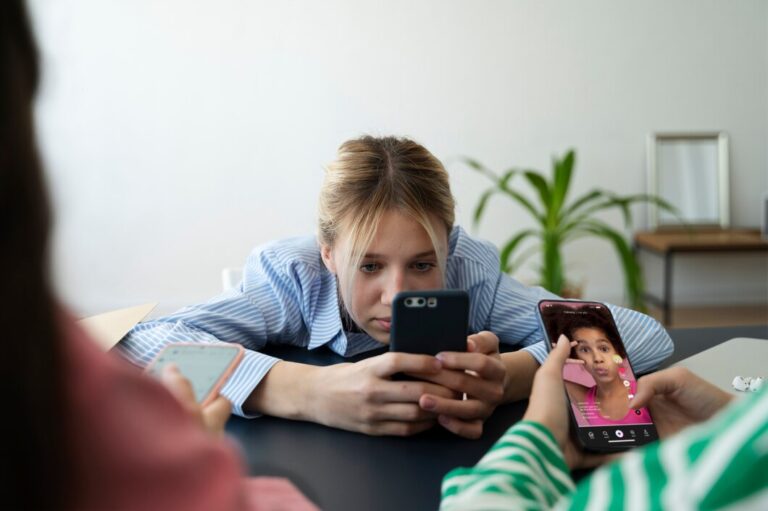
Many of us wake up to notifications and go to sleep after checking one last message. We move from work emails to social media, from video calls to news updates, often without giving our minds a real opportunity to pause.
Even when the body is resting, the mind can still be working.
And that is why wellness is becoming less of a luxury and more of a necessity.
We Are Rarely Truly “Off” Anymore
Modern technology has made life incredibly convenient. We can work from almost anywhere, stay connected with people across the world and access information within seconds.But constant connection has another side.
A work message can arrive during dinner. A notification can interrupt a conversation. Social media can turn a five-minute break into thirty minutes of scrolling. Even after completing the day’s responsibilities, there is often another screen waiting for our attention.
The result isn’t necessarily that we are doing too much all the time. Sometimes, it is that our minds are never completely done. There is always something to respond to, something to remember, something to watch or something to worry about.
Over time, this can make slowing down feel strangely uncomfortable.
Rest Is Not Always the Same as Recovery
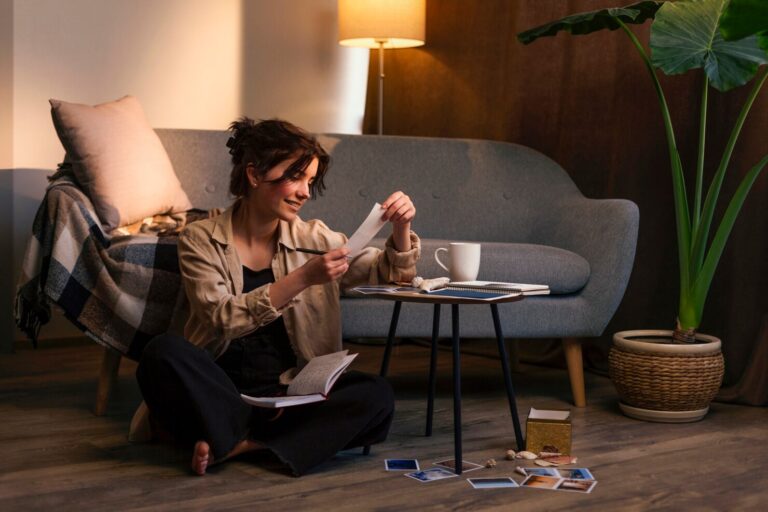
One of the biggest misconceptions about wellness is that rest automatically means recovery. It doesn’t always. You can spend an entire Sunday lying on the sofa and still begin Monday feeling mentally exhausted.
Why? Because physical inactivity doesn’t necessarily give the mind what it needs. Recovery can involve stepping away from constant stimulation, spending time outdoors, having an uninterrupted conversation, doing something creative, getting enough sleep or simply allowing yourself to experience a few moments without needing to respond to anything.Sometimes what we need isn’t more entertainment.
We need less input.
Wellness Doesn’t Have to Mean a Perfect Lifestyle
Another reason people avoid wellness is the idea that it requires a complete lifestyle transformation. It doesn’t. Wellness isn’t necessarily a two-hour morning routine, an expensive retreat or a perfectly balanced schedule.
1. It can be much smaller.
2. It might mean eating lunch away from your laptop.
3. It might mean taking a short walk without checking your phone.
4. It might mean saying no to one unnecessary commitment.
5. It might mean going to bed instead of watching another episode.
6. It might even mean sitting quietly for ten minutes without trying to fill the silence.
7. These actions may seem insignificant individually, but they create something important: space.
And in an always-on world, space has become valuable.
Your mind needs moments without performance
There is also a less obvious problem with modern life: even our free time can become something we feel we have to optimize.
1. We track our sleep.
2. We count our steps.
3. We measure productivity.
4. We follow wellness routines.
5. We watch videos about becoming more productive, healthier and happier.
Wellness can accidentally become another task on the to-do list. But taking care of yourself shouldn’t always feel like another performance. Sometimes, wellness means doing something simply because it feels good, calming or meaningful, without measuring the outcome.
1. Reading a few pages.
2. Listening to music.
3. Cooking without rushing.
4. Talking to someone you trust.
5. Sitting outside.
6. Doing absolutely nothing for a while.
7. Not every healthy choice needs to produce a measurable result.
Boundaries Are Part of Wellness Too
Wellness is not just about the positive habits and activities we incorporate into our daily routines. It is also about what we allow ourselves to step away from.That might mean creating boundaries around work messages after office hours.It could mean deciding when social media stops being entertainment and starts becoming exhausting.It could mean protecting your sleep from late-night scrolling.Or simply recognizing that being available to everyone, all the time, is not a requirement for being a caring person.Boundaries can feel uncomfortable at first, especially when we are used to responding immediately.But having access to you should not mean having access to you every minute of the day.
Small Offline Moments Can Make a Difference
You don’t need to disappear from the digital world to feel more balanced. Instead, look for small pockets of offline time.
1. Try having your morning tea without your phone.
2. Take a walk without listening to anything.
3. Keep your phone away during meals.
4. Spend an evening doing something that doesn’t involve a screen.
5. Meet a friend and leave the phones on the table instead of in your hands.
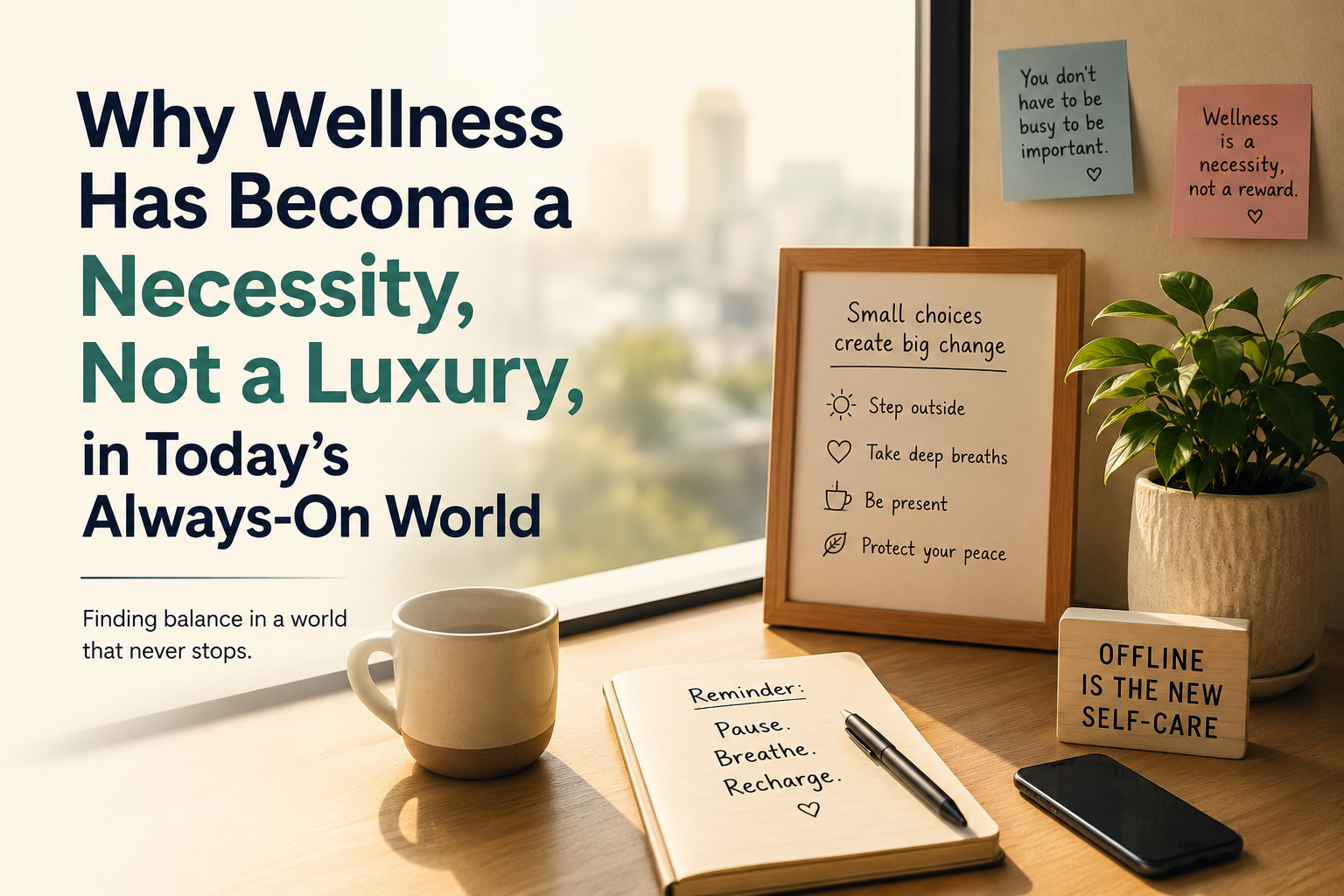
These moments may seem ordinary, but ordinary moments are often where our minds finally get a chance to breathe. The goal isn’t to reject technology. It is to make sure technology remains a tool in our lives rather than becoming the environment we live in constantly.
Wellness Is About Sustainability, Not Perfection
Perhaps the most important shift is to stop thinking about wellness as something we achieve. It is something we maintain. There will be busy weeks. There will be deadlines, family emergencies, difficult conversations and days when your carefully planned routine falls apart. That doesn’t mean you have failed. A lasting approach to wellness should fit naturally into everyday life. Rather than constantly wondering, “Am I doing enough to support my well-being?” focus on building realistic habits that you can maintain over time. A better question might be
“What does my mind and body need from me today?”
*Some days, the answer might be movement.
*Other days, it might be sleep.
*Sometimes it might be a connection. Sometimes solitude.
*And sometimes, it may simply be permission to slow down.
Making Wellness a Necessity
The need for wellness isn’t a sign that we are incapable of handling modern life. It is a recognition that human beings were never designed to operate at full attention every minute of the day. We need pauses. We need a connection that isn’t mediated by a screen. We need moments where nothing is demanding an immediate response. And we need to remember that taking care of ourselves isn’t something we have to earn after completing everything else.
There will probably always be another email.
*Another notification.
*Another deadline.
*Another thing waiting on the to-do list.
But there also needs to be a moment when we put everything down and simply breathe.
*That is not laziness.
*That is not indulgence.
That is wellness, and in an always-on world, it may be one of the most necessary things we can make room for.
About the Author