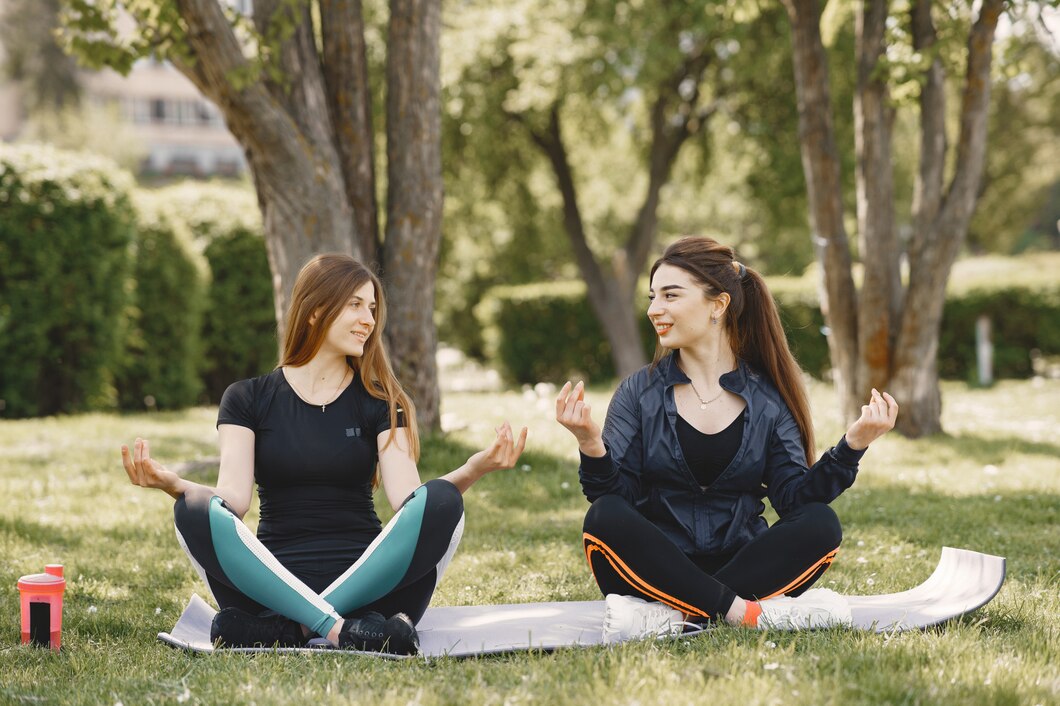
Mental health deserves just as much attention as physical health, especially in today’s fast-paced world. Incorporating Mental Health Activities into your daily routine is one of the most effective ways to improve emotional balance, reduce stress, and enhance overall happiness. Whether you’re looking for mental wellness activities, mental health exercises, or simple activities for mental health, making time for yourself can have a lasting impact.
From relaxing self-care activities and stress relief activities to calming mindfulness activities, these practices support emotional wellness, improve mental well-being, and encourage healthy lifestyle habits. With the help of relaxation techniques, anxiety relief activities, and positive mental health practices, you can build stronger daily wellness habits, establish a healthier self-care routine, and improve your mental fitness.
This guide explores the best mental health activities in 2026, including refreshing mental health activities to try, daily mental health activities, and mental wellness activities for adults that naturally support a happier, healthier, and more balanced life.
Why Mental Health Activities Matter More Than Ever in 2026
Life in 2026 continues to move at an incredible pace. Work responsibilities, social expectations, financial concerns, and constant digital connectivity can easily overwhelm the mind. While technology has simplified many aspects of life, it has also increased mental fatigue, making intentional self-care more important than ever.
Practicing regular mental health activities offers numerous benefits, including:
- Reducing stress and anxiety
- Improving emotional resilience
- Increasing self-awareness
- Boosting productivity
- Enhancing relationships
- Supporting work-life balance
- Improving sleep quality
- Promoting overall happiness
Taking care of your mind isn’t a luxury—it is an essential part of living a healthy and fulfilling life.
1. Start Every Morning with Mindful Meditation
Beginning your day with meditation is one of the simplest yet most powerful ways to improve mental health.
You don’t need costly gear or specialized skills to get started and enjoy the experience. Find a quiet place, sit comfortably, close your eyes, and focus on your breathing for 10–15 minutes.
Benefits include:
- Reduced stress
- Better focus
- Increased patience
- Improved emotional control
- Lower anxiety
Regular meditation is among the most effective mindfulness activities for stress relief and contributes significantly to positive mental health.
2. Practice Deep Breathing Throughout the Day
One of the easiest mental health exercises is conscious deep breathing.
Whenever you feel overwhelmed, pause for a few minutes and try this simple exercise:
- Inhale slowly for four seconds.
- Hold your breath for four seconds.
- Exhale gently for six seconds.
- Repeat for five to ten minutes.
Deep breathing calms the nervous system, lowers heart rate, and helps reduce stress naturally.
It is one of the best anxiety relief activities that can be practiced anywhere.
3. Keep a Daily Journal
Journaling helps organize thoughts, release emotions, and gain clarity.
Writing daily allows you to:
- Process difficult emotions
- Track personal growth
- Set goals
- Reflect on experiences
- Identify stress triggers
You don’t need to write perfectly.
Simply record your thoughts honestly.
Journaling remains one of the most effective self-care activities for mental well-being because it encourages self-reflection and emotional awareness.
4. Build a Gratitude Practice
Practicing gratitude shifts attention from problems to positive experiences.
Every evening, write down three things you appreciate.
Examples include:
- A supportive friend
- Good health
- A beautiful sunset
- Completing a task
- Family time
This simple gratitude practice helps train the brain to recognize positivity more often.
Research consistently shows gratitude improves emotional wellness and long-term happiness.
5. Take Regular Nature Walks
Spending time outdoors offers tremendous mental health benefits.
Walking through parks, forests, beaches, or gardens allows your mind to relax naturally.
Nature walks help:
- Reduce stress hormones
- Improve concentration
- Increase creativity
- Support emotional wellness
- Encourage physical activity
These activities to improve mental health naturally combine movement with relaxation, making them ideal for all ages.
6. Schedule a Digital Detox
Constant notifications and endless scrolling can quickly exhaust the mind.
A weekly digital detox gives your brain time to recharge.
Ideas include:
- Turn off social media for one day.
- Leave your phone in another room.
- Avoid screens before bedtime.
- Read printed books instead.
- Spend time with family and friends.
Limiting time spent on screens can improve mental well-being while promoting healthier routines and more balanced everyday habits.
7. Try Creative Hobbies
Creative activities help reduce stress while encouraging self-expression.
Excellent options include:
- Painting
- Drawing
- Photography
- Pottery
- Knitting
- Playing music
- Crafting
- Baking
Creative hobbies improve confidence while giving your mind a healthy break from daily responsibilities.
They are among the most enjoyable fun mental wellness activities available.
8. Exercise for Mental Fitness
Physical activity isn’t only good for your body—it also strengthens your mind.
Choose activities you enjoy:
- Walking
- Yoga
- Swimming
- Cycling
- Dancing
- Strength training
Exercise releases endorphins, often called “feel-good hormones,” which naturally improve mood.
Regular movement enhances mental fitness while reducing symptoms of anxiety and stress.
9. Practice Mindful Eating
Many people eat while watching television or scrolling through their phones.
Instead, practice mindful eating by:
- Eating slowly
- Appreciating flavors
- Chewing thoroughly
- Avoiding distractions
- Listening to hunger signals
Mindful eating strengthens the connection between body and mind while reducing emotional eating.
It also supports healthier lifestyle habits.
10. Strengthen Social Connections
Healthy relationships are essential for emotional well-being.
Spend time with:
- Family
- Friends
- Neighbors
- Community groups
- Support circles
Meaningful conversations provide emotional support during difficult times.
Strong social connections improve resilience and contribute to long-term mental health.
11. Create a Relaxing Evening Routine
Ending the day peacefully helps improve sleep and emotional recovery.
A calming evening routine may include:
- Reading
- Gentle stretching
- Herbal tea
- Meditation
- Soft music
- Journaling
Avoid stimulating activities before bed, especially excessive screen use.
Relaxing evenings support better sleep and reduce next-day stress.
12. Learn Something New
Continuous learning keeps the brain active and engaged.
Consider learning:
- A new language
- Cooking skills
- Musical instruments
- Gardening
- Photography
- Public speaking
Learning builds confidence while giving the brain exciting challenges.
It also promotes lifelong personal growth and mental flexibility.
How Mental Wellness Activities Improve Everyday Life
Practicing regular mental wellness activities offers benefits that extend into every area of life.
Better Emotional Wellness
Healthy routines improve emotional regulation, helping you respond calmly during stressful situations.
Increased Productivity
A healthy mind improves concentration, creativity, and decision-making.
Stronger Relationships
Better emotional awareness improves communication and empathy.
Improved Physical Health
Mental health directly influences sleep, energy levels, and immune function.
Greater Happiness
Small daily habits create long-term emotional stability and satisfaction.
Daily Mental Health Activities Anyone Can Follow
Healthy habits don’t need to be complicated.
Simple daily mental health activities include:
- Drinking enough water
- Walking outdoors
- Reading for 20 minutes
- Deep breathing exercises
- Stretching
- Gratitude journaling
- Meditation
- Listening to calming music
- Talking to loved ones
- Limiting social media
These routines support long-term emotional health with minimal effort.
Easy Mental Health Exercises at Home
You don’t have to leave home to care for your mental well-being.
Some of the best easy mental health exercises at home include:
- Guided meditation
- Progressive muscle relaxation
- Yoga
- Puzzle solving
- Coloring books
- Home workouts
- Reading
- Creative writing
- Gardening
- Listening to nature sounds
Home-based activities make self-care accessible regardless of your schedule.
Healthy Lifestyle Habits That Support Mental Wellness
Mental health is closely connected to overall lifestyle choices.
Helpful habits include:
Get Enough Sleep
Aim for seven to nine hours every night.
Quality sleep improves memory, mood, and concentration.
Eat Balanced Meals
Nutritious foods provide the brain with essential vitamins and minerals.
Include:
- Fruits
- Vegetables
- Whole grains
- Lean proteins
- Healthy fats
Stay Physically Active
Exercise improves mood while reducing anxiety and depression symptoms.
Stay Hydrated
Even mild dehydration can affect mood and focus.
Maintain Work-Life Balance
Avoid letting work consume your personal life.
Schedule time for hobbies, family, and rest.
Positive Mental Health Practices to Build Emotional Resilience
Developing positive mental health practices helps prepare you for life’s inevitable challenges.
Try these habits:
- Accept imperfections.
- Practice self-compassion.
- Set realistic goals.
- Celebrate small achievements.
- Learn healthy coping strategies.
- Focus on progress instead of perfection.
- Ask for support when needed.
These habits gradually build emotional resilience, making it easier to recover from setbacks.
Stress Management Techniques That Really Work
Effective stress management requires consistency rather than perfection.
Helpful methods include:
- Meditation
- Deep breathing
- Journaling
- Exercise
- Spending time in nature
- Creative hobbies
- Listening to relaxing music
- Limiting unnecessary commitments
- Practicing gratitude
- Maintaining healthy boundaries
Using several techniques together often provides the greatest benefits.
Self-Care Routine for Better Mental Well-Being
A balanced self-care routine doesn’t have to take hours each day.
Consider including:
Morning
- Stretching
- Meditation
- Healthy breakfast
Afternoon
- Short walk
- Healthy lunch
- Deep breathing
Evening
- Journaling
- Reading
- Gratitude practice
- Relaxation techniques
Consistency is more important than duration.
Mental Health Awareness Starts with Everyday Choices
Promoting mental health awareness means recognizing that emotional well-being deserves daily attention.
Simple actions like checking in with yourself, talking openly about emotions, supporting loved ones, and seeking help when needed can reduce stigma and encourage healthier communities. Mental health is not only about overcoming challenges but also about building habits that prevent them.
Activities to Improve Mental Health Naturally
Natural approaches to mental wellness are often the most sustainable.
Examples include:
- Spending time outdoors
- Practicing yoga
- Gardening
- Reading books
- Listening to calming music
- Creating artwork
- Volunteering
- Maintaining friendships
- Exercising regularly
- Following healthy sleep habits
These activities improve emotional health without requiring complicated routines.
Creating Mental Health Habits for a Happier Life
Long-term well-being is built through consistent actions rather than occasional efforts.
Healthy mental health habits for a happier life include:
- Prioritizing rest
- Managing stress proactively
- Maintaining meaningful relationships
- Practicing gratitude
- Staying physically active
- Reducing unnecessary screen time
- Continuing personal growth
- Embracing mindfulness
With consistency, these positive habits gradually become a natural part of a healthier and more balanced lifestyle.
Conclusion
Making your mental well-being a priority is one of the most valuable choices you can make for a healthier and happier life in 2026. These 12 Refreshing Mental Health Activities to Try in 2026 offer practical and enjoyable ways to reduce stress, strengthen emotional resilience, and create a healthier, more balanced life. Whether you choose mental wellness activities for adults, easy mental health exercises at home, mindfulness activities for stress relief, or relaxing self-care activities for mental well-being, each small step contributes to lasting positive change.
By practicing meditation, deep breathing, journaling, gratitude practice, and taking time for a regular digital detox, you can improve mental fitness, support emotional wellness, and develop healthier daily wellness habits. Remember, simple ways to support mental wellness often have the greatest impact when practiced consistently. Embrace these refreshing mental health activities to try, build a sustainable self-care routine, maintain a healthy work-life balance, and make your mental health a priority every day for a happier, healthier future.
About the Author