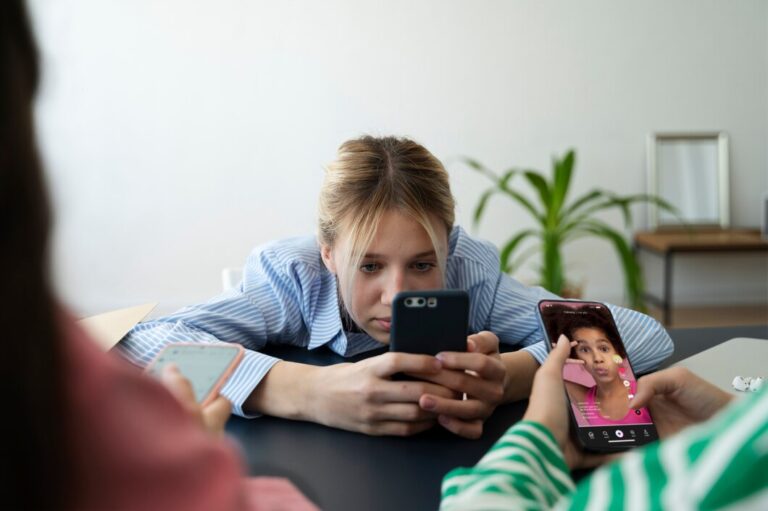
People who quit social media commonly report:
- Reduced stress and anxiety
- Improved focus and productivity
- Better sleep quality
- Increased real-world social connections
- Higher self-esteem and confidence
- Less comparison and FOMO
- More free time for hobbies and personal growth
However, some individuals initially experience withdrawal symptoms, loneliness, or fear of missing important updates. Most find that the long-term benefits outweigh the short-term discomfort.
Introduction: The Experiment Millions Are Trying
Have you ever picked up your phone to check one notification and suddenly realized thirty minutes had disappeared?
You’re not alone.
For many people, social media has become woven into nearly every part of daily life. It influences how we communicate, consume information, compare ourselves to others, and spend our free time.
Yet a growing number of individuals are making a surprising decision: they’re quitting social media entirely.
Some leave for a week. Others deactivate accounts for months. A few never return.
What happens after they leave?
Do they become happier? More productive? Less connected? Or do they regret the decision?
The answers are fascinating.
In this comprehensive guide, we’ll explore real experiences from people who quit social media, the psychological and practical changes they noticed, the challenges they faced, and whether a social media detox is worth considering.
By the end, you’ll understand what life beyond endless scrolling can actually look like.
What Does Quitting Social Media Mean?
Definition
Quitting social media refers to temporarily or permanently reducing, deactivating, or eliminating the use of social networking platforms such as:
- TikTok
- Snapchat
- X (formerly Twitter)
The goal may be to improve mental health, reduce screen time, increase productivity, or regain control over attention and habits.
Featured Snippet: What Happens When You Quit Social Media?
Quick Answer
When people quit social media, they often experience:
- Less anxiety and stress
- Better concentration
- Increased productivity
- Improved sleep quality
- Reduced comparison with others
- More meaningful relationships
- Greater self-awareness
- More time for hobbies and personal goals
Many report noticeable improvements within the first few weeks.
Why More People Are Leaving Social Media
The movement toward digital wellness is growing rapidly.
Common reasons include:
- Information overload
- Social comparison
- Online negativity
- Privacy concerns
- Reduced attention span
- Excessive screen time
- Mental fatigue
- Productivity loss
Many individuals report feeling mentally exhausted from the constant stream of updates, opinions, advertisements, and notifications.
Real Experience #1: Anxiety Levels Began to Drop
One of the most commonly reported benefits is reduced anxiety.
Many users describe feeling calmer after disconnecting from social platforms.
Why This Happens
Social media constantly exposes people to:
- Breaking news
- Political debates
- Lifestyle comparisons
- Financial comparisons
- Social pressure
The brain remains in a near-constant state of stimulation.
After quitting, many users report:
- Fewer racing thoughts
- Less emotional overwhelm
- Improved mood stability
- Reduced stress
Key Insight
The absence of constant digital stimulation allows the nervous system to recover.
Real Experience #2: Productivity Increased Dramatically
Many former users are shocked by how much time social media consumed.
What Changed?
After quitting, people often discover extra hours each day.
Activities replacing scrolling include:
- Reading
- Learning new skills
- Exercising
- Starting side projects
- Spending time outdoors
Productivity Comparison
| Before Quitting | After Quitting |
| Frequent distractions | Longer focus periods |
| Constant notifications | Deep work sessions |
| Endless scrolling | Goal-oriented activities |
| Reduced concentration | Improved mental clarity |
Many report accomplishing more in a single week than they previously achieved in a month.
Real Experience #3: Sleep Quality Improved
Sleep is one of the first areas many people notice improving.
Common Sleep Problems Linked to Social Media
- Late-night scrolling
- Blue light exposure
- Emotional stimulation before bed
- Increased stress levels
After quitting social media, many individuals report:
- Falling asleep faster
- Sleeping more deeply
- Waking up feeling refreshed
- Reduced nighttime phone use
Real Experience #4: Self-Esteem Improved
Social comparison is one of the most powerful psychological effects of social media.
People frequently compare themselves to:
- Influencers
- Celebrities
- Friends
- Colleagues
The problem?
Most online content represents carefully curated highlights rather than reality.
What Former Users Noticed
Many describe:
- Increased self-confidence
- Better body image
- Reduced feelings of inadequacy
- Greater contentment with their own lives
Without constant comparison, self-worth often becomes less dependent on external validation.
Real Experience #5: Relationships Became More Meaningful
Interestingly, many people who quit social media report stronger personal relationships.
Why?
Digital interactions often create the illusion of connection.
After leaving social media, many individuals begin:
- Calling friends directly
- Meeting in person more often
- Spending quality time with family
- Having deeper conversations
The result is often greater emotional connection and stronger social bonds.
Real Experience #6: FOMO Eventually Turned Into Freedom
One major concern before quitting is FOMO (Fear of Missing Out).
Initially, many people worry about:
- Missing events
- Losing touch with friends
- Missing important news
However, something unexpected often happens.
The Shift
FOMO gradually transforms into JOMO:
Joy of Missing Out
People begin appreciating:
- Simplicity
- Privacy
- Presence
- Reduced social pressure
Many describe this transition as one of the most liberating parts of quitting social media.
Real Experience #7: Creativity Returned
Constant content consumption can leave little room for original thought.
Many people who quit social media report:
- Increased creativity
- Better problem-solving
- More imagination
- Enhanced focus
Without constant external input, the brain has more opportunities to think independently.
The First 30 Days Without Social Media
Week 1
Common experiences:
- Restlessness
- Habitual phone checking
- Boredom
- Curiosity
Week 2
Many notice:
- Reduced screen time
- Improved concentration
- Better awareness of habits
Week 3
Benefits often become clearer:
- More energy
- Better sleep
- Improved mood
Week 4
Long-term changes begin emerging:
- New hobbies
- Greater productivity
- Increased life satisfaction
The Challenges People Faced
Quitting social media isn’t always easy.
Common Difficulties
Withdrawal Symptoms
Many experience:
- Urges to check apps
- Restlessness
- Habit cravings
Social Disconnect
Some initially feel isolated.
Missing Professional Opportunities
Networking can become more difficult in certain industries.
Information Gaps
People may miss news or community updates.
Myth vs Fact: Quitting Social Media
| Myth | Fact |
| You’ll lose all your friends | Strong relationships usually remain |
| You’ll miss everything important | Important information still reaches you |
| Social media is required for success | Many successful people limit usage |
| Quitting is extreme | Many people simply reduce usage |
| Life becomes boring | Many discover new interests and hobbies |
Expert Insights on Social Media Detox
Digital wellness experts often recommend intentional social media use rather than mindless consumption.
Key recommendations include:
- Disable non-essential notifications
- Schedule app-free hours
- Create phone-free zones
- Track screen time
- Practice mindful technology use
The goal isn’t necessarily elimination but regaining control.
Signs You May Benefit From a Social Media Break
Consider a detox if you:
- Check apps compulsively
- Feel anxious after scrolling
- Compare yourself constantly
- Struggle to focus
- Lose sleep due to social media
- Feel mentally exhausted online
How to Quit Social Media Successfully
Step 1: Define Your Goal
Ask yourself:
Why am I quitting?
Step 2: Start Small
Try:
- A weekend detox
- One-week challenge
- Thirty-day experiment
Step 3: Remove Triggers
Delete apps from your phone.
Step 4: Replace the Habit
Choose healthier alternatives:
- Reading
- Walking
- Journaling
- Exercise
Step 5: Track Results
Monitor:
- Mood
- Productivity
- Sleep quality
- Stress levels
Future Trends: The Rise of Digital Wellness
Digital wellness is becoming a major lifestyle movement.
Emerging trends include:
- Screen-free retreats
- Digital minimalism
- Mindful technology use
- Attention management
- Offline communities
- Intentional social networking
As awareness grows, more people are seeking healthier relationships with technology.
Key Takeaways
- Most people report positive outcomes after quitting social media.
- Reduced anxiety and improved focus are among the most common benefits.
- Better sleep and stronger relationships frequently follow.
- Initial discomfort is common but usually temporary.
- A digital detox can reveal how much attention social media consumes.
- Quitting entirely isn’t necessary; mindful use can also be effective.
Frequently Asked Questions
What happens after quitting social media for a month?
Many people report improved focus, reduced stress, better sleep, and increased productivity within the first month.
Does quitting social media improve mental health?
For many individuals, reducing social media use helps decrease anxiety, stress, and negative social comparison.
Will I lose friends if I delete social media?
Most meaningful relationships continue through direct communication and real-world interactions.
How long does social media withdrawal last?
Initial cravings often diminish within a few days to several weeks.
Is quitting social media good for productivity?
Many people experience significant productivity gains due to fewer distractions.
What are the disadvantages of leaving social media?
Potential drawbacks include missing updates, networking opportunities, and online communities.
Can social media affect sleep?
Yes. Excessive use, especially before bedtime, may interfere with sleep quality.
What is a social media detox?
A social media detox is a temporary break from social networking platforms to improve well-being and regain control over technology use.
Is deleting social media permanently necessary?
Not necessarily. Many people benefit from simply reducing usage or setting boundaries.
How do I know if I need a social media break?
If social media causes stress, distraction, sleep issues, or excessive comparison, a break may be beneficial.
Conclusion
The experiences of people who quit social media reveal a powerful lesson: much of our daily stress, distraction, and comparison may be more connected to our digital habits than we realize.
While quitting social media is not a universal solution, many individuals discover greater focus, better mental health, stronger relationships, and a renewed sense of control over their time.
The most surprising finding is not that life becomes perfect without social media. It’s that many people finally gain enough mental space to decide what truly deserves their attention.
If you’ve ever wondered whether a social media break could improve your life, consider conducting your own experiment. Start with a few days, observe the changes, and see what happens when your attention belongs to you again.
Have you ever taken a social media break? Share your experience, insights, or challenges and join the conversation about creating a healthier relationship with technology.
About the Author