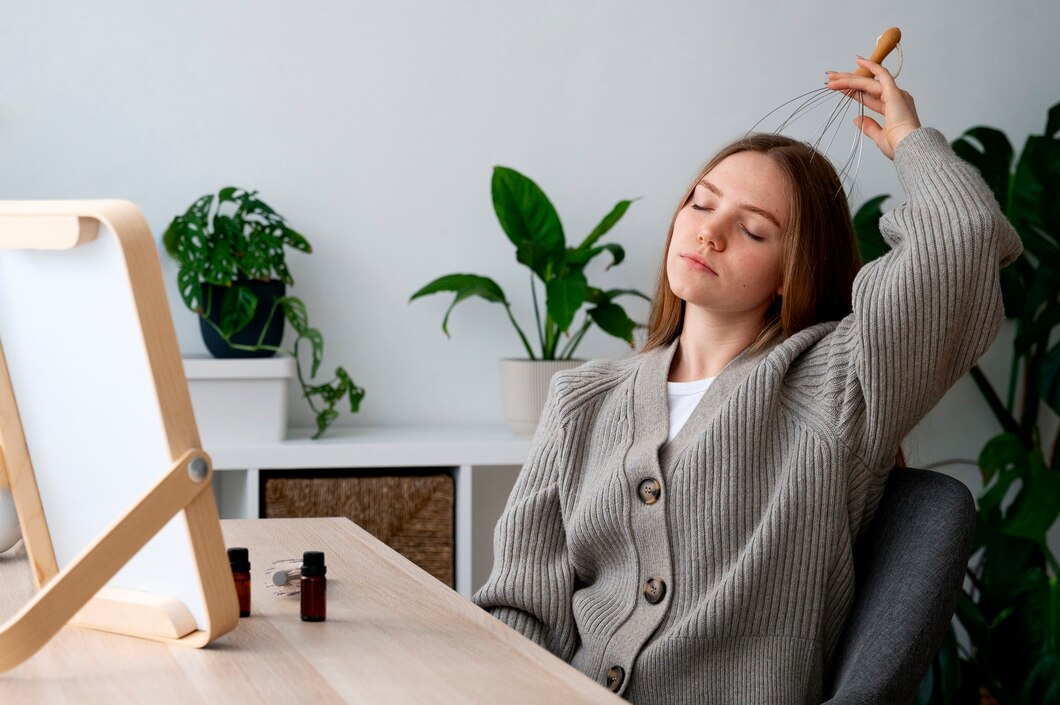
Modern life rarely slows down. Constant notifications, busy schedules, endless responsibilities, and information overload can leave many people feeling mentally exhausted. Establishing effective self-care routines is one of the best ways to support your emotional and physical well-being while creating moments of calm in a demanding world. Whether you’re juggling work, family, studies, or personal commitments, intentional self-care can help restore balance and improve your overall quality of life. This guide explores practical self-care habits that promote relaxation, encourage healthier daily routines, and help you feel more refreshed, focused, and resilient over time.
Understanding an Overstimulated Mind
An overstimulated mind occurs when your brain is processing more information, emotions, or responsibilities than it can comfortably handle. This can happen because of excessive screen time, demanding work schedules, social obligations, lack of sleep, or constant multitasking.
When your mind rarely gets a chance to rest, your body often responds with mental and physical symptoms that affect everyday life.
Common signs include:
- Difficulty concentrating
- Feeling mentally exhausted
- Irritability
- Trouble sleeping
- Racing thoughts
- Feeling overwhelmed by simple tasks
- Low motivation
- Emotional exhaustion
Recognizing these signs early is the first step toward improving your mental wellness.
Why Self-Care Matters More Than Ever
Many people associate self-care with luxury activities like spa visits or vacations. In reality, true self-care involves consistently making choices that support your physical, emotional, and mental health.
Effective self-care for stress isn’t about escaping responsibilities—it’s about building routines that make everyday life easier to manage.
Benefits include:
- Better emotional balance
- Improved concentration
- Increased energy
- Better sleep
- Healthier relationships
- Improved productivity
- Stronger emotional resilience
Consistent small habits practiced every day can lead to meaningful and lasting improvements over time.
How to Reduce Daily Stress Naturally
If you’re wondering how to reduce daily stress naturally, start by making gradual lifestyle changes instead of trying to transform everything overnight.
Natural approaches work because they support your body’s ability to recover rather than simply masking stress.
Some effective methods include:
- Spending time outdoors
- Drinking enough water
- Moving your body daily
- Practicing gratitude
- Getting enough sleep
- Limiting unnecessary screen time
- Taking regular breaks
- Practicing mindfulness
These habits become even more powerful when practiced consistently.
Create a Daily Self-Care Routine for Stress Relief
A consistent daily self-care routine for stress relief helps your body and mind know when it’s time to slow down and recover.
Consider structuring your day around small moments of intentional care rather than waiting until you feel overwhelmed.
Morning
- Wake up without immediately checking your phone
- Stretch for five to ten minutes
- Drink a glass of water
- Practice deep breathing
- Write down three priorities
Afternoon
- Take short movement breaks
- Eat balanced meals
- Step outside for fresh air
- Practice mindful breathing between tasks
Evening
- Reduce screen exposure
- Read a book
- Journal your thoughts
- Practice relaxation before bed
Simple routines often become sustainable routines.
Ways to Calm an Overstimulated Mind
Finding effective ways to calm an overstimulated mind requires understanding what helps you personally feel relaxed.
Some calming strategies include:
Slow Down Your Schedule
Avoid filling every minute of your day.
Leaving small gaps between activities reduces mental overload.
Focus on One Task
Multitasking often increases stress rather than improving productivity.
Single-tasking allows your brain to process information more efficiently.
Spend Time in Nature
Natural environments reduce mental fatigue and restore attention.
Even a short walk in a park can improve your mood.
Limit Background Noise
Constant television, music, or notifications can contribute to overstimulation.
Create quiet periods during your day.
Practice Gentle Movement
Walking, yoga, stretching, or light cycling helps release physical tension while calming the nervous system.
Best Self-Care Habits for Mental Health
Developing the best self-care habits for mental health doesn’t require expensive products or complicated routines.
Instead, focus on habits you can realistically maintain.
Prioritize Sleep
Quality sleep supports emotional regulation, memory, and overall health.
Eat Balanced Meals
Nutritious foods stabilize energy levels and support brain function.
Stay Hydrated
Even mild dehydration can increase fatigue and difficulty concentrating.
Build Healthy Boundaries
Protect your time by saying no when necessary.
Schedule Joy
Make time for hobbies, creativity, and activities you genuinely enjoy.
These healthy self-care habits strengthen both body and mind.
Mindfulness and Self-Care Tips
Combining mindfulness and self-care tips creates powerful opportunities for emotional balance.
Mindfulness simply means paying attention to the present moment without judgment.
You can practice mindfulness by:
- Eating slowly
- Listening carefully during conversations
- Walking without distractions
- Observing your surroundings
- Practicing gratitude
Regular mindfulness helps improve focus while supporting long-term mental well-being.
Daily Habits to Reduce Anxiety and Stress
Building daily habits to reduce anxiety and stress helps prevent overwhelm before it becomes unmanageable.
Useful habits include:
Morning Gratitude
Write three things you’re thankful for.
Regular Movement
Exercise releases endorphins that naturally improve mood.
Hydration
Proper hydration supports brain performance.
Journaling
Writing thoughts on paper often reduces mental clutter.
Scheduled Breaks
Short pauses improve productivity and reduce burnout.
Consistency matters more than perfection.
Self-Care Ideas for Mental Wellness
If you’re looking for fresh self-care ideas for mental wellness, try rotating different activities throughout the week.
Examples include:
- Reading fiction
- Painting
- Gardening
- Cooking
- Listening to calming music
- Visiting a museum
- Solving puzzles
- Photography
- Learning a new skill
- Spending time with loved ones
Trying new experiences keeps self-care enjoyable rather than repetitive.
How to Manage Overstimulation
Learning how to manage overstimulation involves recognizing your personal triggers.
Common triggers include:
- Constant notifications
- Crowded environments
- Excessive multitasking
- Loud noise
- Long working hours
- Poor sleep
- Social overload
Managing these triggers may involve reducing unnecessary commitments, using noise-canceling headphones when appropriate, creating quiet spaces at home, or scheduling regular periods of rest.
Remember that overstimulation isn’t a sign of weakness—it’s often a signal that your mind needs recovery.
Self-Care Routine for Overwhelmed People
A practical self-care routine for overwhelmed people focuses on small, achievable actions rather than dramatic lifestyle changes.
Daily checklist:
- Wake up at a consistent time
- Drink water before coffee
- Stretch for five minutes
- Eat nutritious meals
- Walk for twenty minutes
- Limit unnecessary social media
- Journal before bed
- Sleep seven to nine hours
Small wins build confidence and reduce stress over time.
Natural Ways to Relieve Stress Every Day
There are many natural ways to relieve stress every day that require little or no cost.
Some effective examples include:
- Aromatherapy
- Herbal tea
- Gardening
- Reading
- Listening to relaxing music
- Watching sunsets
- Spending time with pets
- Gentle stretching
- Creative hobbies
- Volunteering
The goal is to regularly create moments that allow your mind to slow down.
Self-Care Tips for a Calmer Mind
Creating a calmer mind begins with intentional daily choices.
Helpful self-care tips for a calmer mind include:
Protect Your Morning
Avoid checking emails immediately after waking.
Reduce Information Overload
Limit unnecessary news consumption.
Practice Acceptance
Focus on what you can control rather than everything you cannot.
Simplify Your Environment
A tidy workspace often reduces mental distractions.
Celebrate Small Successes
Recognize progress rather than perfection.
These habits contribute to greater mental clarity over time.
Stress Reduction Techniques That Actually Work
Many stress reduction techniques are backed by research and can be practiced almost anywhere.
Progressive Muscle Relaxation
Gently tighten and then relax each muscle group, one at a time, to help release built-up physical tension and encourage deep relaxation.
Visualization
Imagine peaceful environments to encourage relaxation.
Stretching
Gentle stretching reduces muscle tightness caused by stress.
Music Therapy
Calming music may help slow heart rate and improve mood.
Time Blocking
Organize tasks into manageable periods to reduce mental overload.
Try different approaches and pay attention to what helps you feel the most relaxed, focused, and refreshed. Everyone responds differently, so finding the techniques that suit your needs is key.
Relaxation Techniques for Busy Minds
If your thoughts constantly race, these relaxation techniques for busy minds may help.
Deep Breathing
Practice slow, controlled breathing to encourage relaxation.
Meditation
Even five to ten minutes of meditation for stress each day can improve focus and emotional balance.
Gentle Yoga
Combining movement and breathing promotes both physical and mental relaxation.
Body Scan
Mentally notice areas of tension and consciously release them.
Quiet Reflection
Spend a few minutes each day without screens or distractions.
These simple relaxation exercises encourage greater calm throughout the day.
Managing Anxiety Through Healthy Coping Strategies
Strong anxiety management begins with practical, healthy responses to stress rather than avoidance.
Helpful healthy coping strategies include:
- Talking with trusted friends or family
- Keeping a journal
- Seeking professional support when needed
- Maintaining regular routines
- Spending time outdoors
- Practicing mindfulness
- Limiting caffeine if it worsens anxiety
Over time, these approaches strengthen emotional resilience and support emotional well-being.
Support Your Nervous System Every Day
Learning about nervous system regulation can help explain why self-care is so effective.
When stress becomes chronic, the nervous system may stay in a heightened state of alertness. Gentle daily habits help signal safety and relaxation to your body.
Helpful practices include:
- Slow breathing
- Consistent sleep schedules
- Gentle exercise
- Warm baths
- Quiet reading
- Mindful walks
- Stretching before bed
These routines promote gradual stress recovery and help you feel more balanced.
The Role of Digital Detox in Self-Care
Constant notifications and endless scrolling can contribute to mental fatigue. Incorporating a digital detox into your routine creates space for rest and meaningful experiences.
Ideas include:
- No phones during meals
- Device-free mornings
- Screen-free evenings
- Weekend breaks from social media
- Turning off non-essential notifications
Reducing digital overload supports focus and emotional balance.
Improve Sleep Hygiene for Better Mental Health
Healthy sleep hygiene is one of the most overlooked aspects of self-care.
Improve sleep by:
- Going to bed at the same time daily
- Keeping your bedroom cool and quiet
- Avoiding heavy meals before bedtime
- Limiting screen exposure in the evening
- Creating a calming bedtime routine
Quality sleep strengthens emotional regulation and supports long-term wellness.
Build Positive Habits for Lasting Change
Sustainable positive habits don’t happen overnight. Focus on building one habit at a time.
Examples include:
- Drinking more water
- Taking daily walks
- Practicing gratitude
- Reading before bed
- Preparing healthy meals
- Scheduling quiet time
Over weeks and months, these habits become part of your lifestyle.
Create Your Personal Self-Care Checklist
A personalized self-care checklist can help you stay consistent.
Include items such as:
- Drink enough water
- Move your body
- Eat balanced meals
- Practice gratitude
- Spend time outdoors
- Journal for ten minutes
- Connect with a loved one
- Read for pleasure
- Stretch before bed
- Get enough sleep
Adjust the checklist to match your individual needs and schedule.
Finding Inner Peace Through Daily Wellness Habits
True inner peace often comes from consistent routines rather than dramatic life changes. Simple daily wellness habits such as mindful breathing, healthy eating, spending time in nature, and maintaining meaningful relationships contribute to lasting happiness.
Practicing emotional self-care means acknowledging your feelings without judgment and giving yourself permission to rest when needed. Balancing responsibilities with moments of recovery supports a healthier work-life balance, allowing you to enjoy both productivity and personal fulfillment.
Final Thoughts
Life will always include challenges, but intentional self-care routines for overstimulated minds can make those challenges easier to navigate. Whether you’re exploring how to reduce daily stress naturally, building a stress relief routine for everyday life, or searching for self-care practices for emotional balance, remember that lasting change begins with small, consistent actions. By incorporating mindfulness practices, deep breathing techniques, relaxation techniques, regular movement, quality sleep, and healthy boundaries into your daily life, you can better calm your mind, improve mental health self-care, strengthen emotional resilience, and support long-term mental well-being. Prioritizing burnout prevention, maintaining a healthy work-life balance, embracing occasional digital detox periods, and practicing thoughtful daily wellness habits can help you create a calmer, healthier lifestyle. Every intentional step you take toward caring for yourself brings you closer to greater balance, renewed energy, and a more peaceful mind—all while building habits that support lifelong wellness.
About the Author