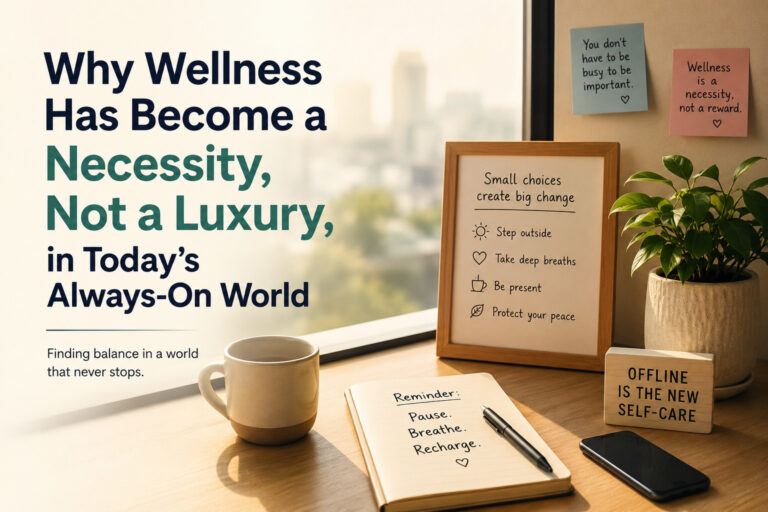
Modern work environments are becoming increasingly demanding. Long working hours, tight deadlines, and continuous digital connectivity often leave professionals feeling exhausted and mentally drained. This is why employee wellness programs have become an essential strategy for organizations that want to support both employee health and workplace performance. Today, many companies are investing in wellness programs for working professionals to improve physical health, reduce stress, and increase productivity. From fitness initiatives to mental health support, workplace wellness programs and corporate wellness programs are transforming how organizations care for their teams. In this guide, we explore the best wellness programs for professionals, the most effective workplace wellness ideas, and how health programs for employees can create healthier, more productive work environments.
Why Wellness Programs Are Essential for Modern Professionals
The modern workplace often involves long hours sitting at desks, heavy workloads, and constant digital interaction. Over time, these factors can lead to burnout, physical health issues, and reduced productivity.
This is why employee wellbeing programs are becoming a critical part of corporate culture. Companies are recognizing that investing in corporate health and wellness programs not only improves employee health but also enhances overall business performance.
Benefits of Wellness Programs
Organizations that implement wellness initiatives for employees often see significant improvements in several areas:
- Reduced stress levels among employees
- Increased productivity and focus
- Lower absenteeism rates
- Improved employee engagement
- Stronger workplace culture
By adopting structured workplace health programs, companies create environments where employees feel supported, motivated, and valued.
The Growing Importance of Wellness in the Workplace
As work responsibilities grow more complex, professionals often struggle to maintain a healthy balance between career and personal wellbeing.
Many employees face challenges such as:
- Chronic stress
- Poor sleep habits
- Sedentary lifestyles
- Lack of time for exercise
- Mental fatigue
This is why many organizations are introducing professional wellness programs designed specifically for busy professionals.
These programs focus on improving both physical and mental health while supporting employees in managing demanding work schedules.
What Are Workplace Wellness Programs?
Workplace wellness programs are structured initiatives designed to improve employee health, reduce stress, and promote healthier lifestyles within professional environments.
These programs can include a variety of services such as:
- Fitness programs
- Mental health support
- Nutrition counseling
- Stress management workshops
- Health screenings
Many companies now consider office wellness programs a key component of employee engagement and productivity strategies.
The Business Benefits of Corporate Wellness Programs
Implementing corporate wellness programs for employee health provides measurable benefits for organizations.
Increased Productivity
Employees who participate in workplace wellness programs to improve productivity often experience higher energy levels and better concentration.
Healthy employees are more capable of maintaining consistent performance throughout the workday.
Reduced Healthcare Costs
Companies that invest in corporate health and wellness programs often see reduced healthcare expenses over time.
Preventive health initiatives help employees manage chronic conditions and adopt healthier habits.
Improved Employee Retention
A strong wellness culture helps organizations retain talented professionals.
Employees are more likely to stay with companies that prioritize their health and wellbeing.
Best Wellness Programs for Working Professionals
Organizations can implement various types of best wellness programs for working professionals to support employee health and performance.
Below are some of the most effective wellness initiatives that companies can adopt.
Physical Fitness Programs
Physical activity plays a crucial role in maintaining energy levels and reducing workplace stress.
Many health and wellness programs for busy professionals include structured fitness initiatives.
Workplace Fitness Challenges
Fitness challenges encourage employees to stay active through friendly competition.
Examples include:
- Step count competitions
- Cycling challenges
- Running clubs
- Yoga sessions
These initiatives promote teamwork while supporting employee health.
On-Site or Virtual Fitness Classes
Some organizations offer yoga, pilates, or strength training sessions during lunch breaks or after work hours.
Virtual fitness classes are also becoming popular in hybrid work environments.
These programs are among the most effective workplace wellness programs to improve productivity.
Mental Health Support Programs
Mental health is one of the most important aspects of employee wellbeing programs.
Stress, anxiety, and burnout can significantly impact professional performance.
Employee Assistance Programs (EAPs)
EAPs provide confidential counseling services to employees dealing with personal or professional challenges.
These programs help individuals manage stress, anxiety, and emotional difficulties.
Stress Management Workshops
Many corporate wellness programs for employee health include workshops on topics such as:
- Stress reduction techniques
- Mindfulness practices
- Work-life balance strategies
These sessions teach professionals how to manage workplace pressure more effectively.
Nutrition and Healthy Eating Programs
Healthy nutrition plays a vital role in maintaining energy and productivity throughout the workday.
Many workplace health programs now include nutrition-focused initiatives.
Healthy Cafeteria Options
Companies can support employee wellness by providing nutritious meal options in workplace cafeterias.
Nutrition Education
Workshops led by dietitians can help employees learn how to make healthier food choices.
Topics often include:
- Balanced meal planning
- Healthy snacking
- Hydration habits
These programs contribute to long-term health improvements for employees.
Mindfulness and Meditation Programs
Mindfulness practices are becoming increasingly popular within professional wellness programs.
These techniques help employees develop better focus and emotional regulation.
Guided Meditation Sessions
Short daily meditation sessions can help employees reset their minds during stressful workdays.
Even 10 minutes of mindfulness practice can improve concentration and reduce anxiety.
Breathing Exercises
Simple breathing techniques can help professionals manage stress during high-pressure situations.
These practices are a valuable part of health programs for employees.
Ergonomic Workplace Programs
Physical discomfort from poor workstation setups can lead to long-term health problems.
Many office wellness programs include ergonomic assessments to improve workplace comfort.
Adjustable Workstations
Standing desks and adjustable chairs help reduce strain on the body during long work hours.
Posture Training
Employees can learn how to maintain proper posture while working at computers.
These changes significantly improve workplace health.
Flexible Work Arrangements
Flexibility is an essential part of modern wellness initiatives for employees.
Flexible work schedules allow employees to manage their personal and professional responsibilities more effectively.
Examples include:
- Remote work options
- Flexible working hours
- Compressed workweeks
These strategies support better work-life balance.
Sleep Wellness Programs
Sleep deprivation is a major issue for working professionals.
Many companies are now introducing sleep education initiatives as part of corporate health and wellness programs.
Sleep Health Workshops
These workshops teach employees how to improve sleep quality through:
- Better bedtime routines
- Reduced screen exposure
- Relaxation techniques
Improved sleep leads to better cognitive performance and productivity.
Digital Detox and Screen Break Programs
Constant screen exposure can cause mental fatigue and reduced focus.
Some effective employee wellness programs for companies now include digital detox initiatives.
Examples include:
- Encouraging regular screen breaks
- Implementing “no meeting” periods
- Promoting offline activities
These strategies help employees maintain mental clarity throughout the workday.
Social Wellness and Team Building
Strong social connections improve workplace satisfaction and reduce stress.
Many corporate wellness programs include social activities designed to strengthen team relationships.
Examples include:
- Team-building retreats
- Volunteer programs
- Group fitness activities
These initiatives foster collaboration and improve workplace culture.
Financial Wellness Programs
Financial stress can significantly impact employee wellbeing.
Some best wellness programs for professionals now include financial education initiatives.
Topics often include:
- Budgeting strategies
- Debt management
- Retirement planning
These programs help employees feel more secure about their financial future.
Workplace Wellness Programs to Improve Productivity
The primary goal of many workplace wellness programs to improve productivity is to create an environment where employees can perform at their best.
Healthy professionals tend to demonstrate:
- Better focus
- Higher creativity
- Improved decision-making
- Greater resilience to stress
When companies invest in health and wellness programs for busy professionals, they are ultimately investing in long-term organizational success.
How Companies Can Implement Effective Wellness Programs
Developing effective employee wellness programs for companies requires thoughtful planning and employee involvement.
Assess Employee Needs
Organizations should begin by understanding the specific wellness needs of their workforce.
Employee surveys can help identify areas where support is most needed.
Create Diverse Wellness Initiatives
Different employees have different wellness priorities.
A successful program includes a variety of initiatives addressing physical, mental, and emotional health.
Encourage Participation
Programs should be easy to access and enjoyable to encourage employee participation.
Gamification and incentives can increase engagement.
Measure Program Success
Organizations should regularly evaluate the impact of their wellness initiatives.
Metrics such as productivity, employee satisfaction, and absenteeism can provide valuable insights.
Wellness Programs for Remote and Hybrid Professionals
With remote work becoming more common, companies must adapt professional wellness programs for distributed teams.
Virtual Wellness Sessions
Online yoga classes, meditation sessions, and fitness challenges can help remote employees stay healthy.
Digital Wellness Platforms
Many organizations now use wellness apps that provide guided workouts, stress management tools, and health tracking features.
These platforms make it easier for remote employees to participate in employee wellbeing programs.
Challenges in Implementing Workplace Wellness Programs
While wellness initiatives provide many benefits, organizations may face several challenges during implementation.
Low Participation Rates
Employees may hesitate to participate if programs feel forced or irrelevant.
Budget Constraints
Smaller companies may struggle to fund large-scale wellness initiatives.
Time Limitations
Busy professionals often feel they lack time to participate in wellness activities.
Companies can overcome these challenges by designing flexible programs that integrate seamlessly into daily work routines.
The Future of Corporate Wellness Programs
The future of corporate health and wellness programs will likely focus on personalized health solutions.
Emerging trends include:
- AI-driven wellness platforms
- Personalized fitness plans
- Mental health apps
- Data-driven health insights
These innovations will allow organizations to create more effective and customized wellness initiatives.
Creating a Culture of Wellbeing
The most successful workplace wellness programs go beyond individual initiatives and create a culture of wellbeing within the organization.
Leadership plays a crucial role in promoting healthy behaviors.
When leaders actively participate in wellness initiatives, employees are more likely to engage as well.
Conclusion
In today’s demanding professional world, maintaining health and productivity can be challenging. This is why employee wellness programs have become essential for modern organizations. By investing in wellness programs for working professionals, companies can create healthier, more engaged, and more productive workforces.
From fitness initiatives and mental health support to flexible schedules and nutrition programs, the best wellness programs for working professionals address a wide range of employee needs. Effective workplace wellness programs, corporate wellness programs, and health programs for employees not only improve individual wellbeing but also contribute to long-term business success.
Organizations that implement thoughtful wellness initiatives for employees demonstrate a strong commitment to their workforce. These programs support healthier lifestyles, reduce workplace stress, and enhance overall productivity.
Ultimately, prioritizing health and wellness programs for busy professionals helps create workplaces where employees thrive both personally and professionally.
About the Author