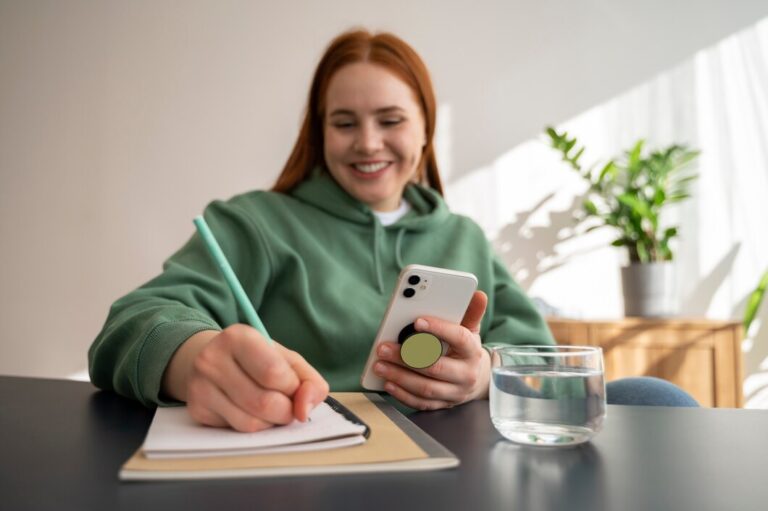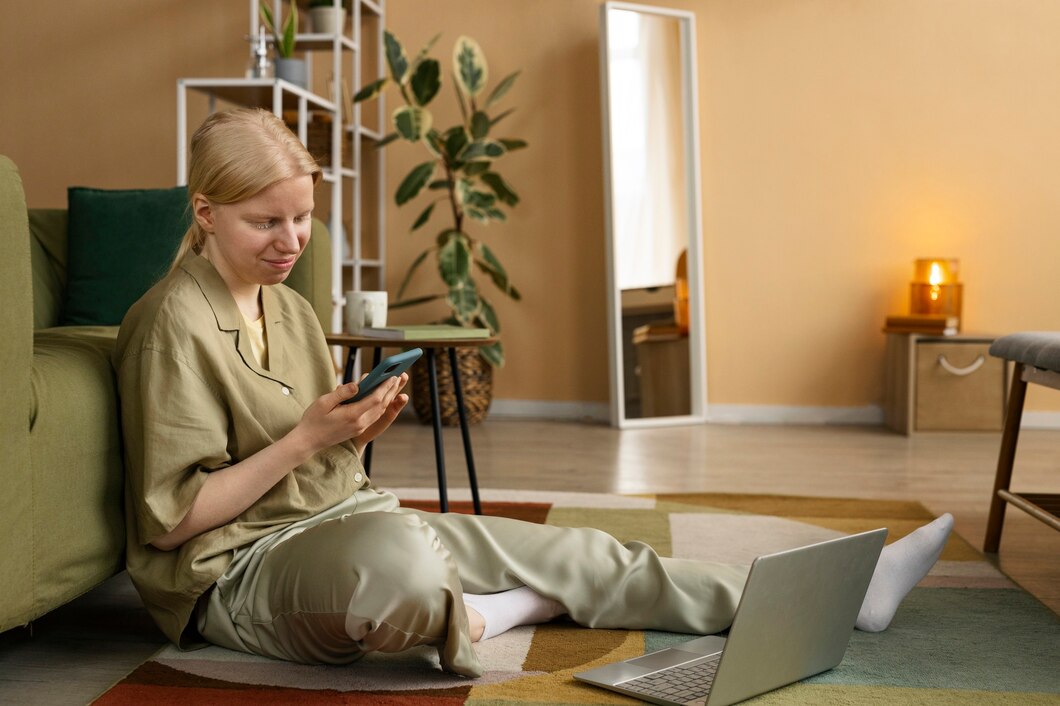
Modern life makes it difficult to spend time away from digital devices. Smartphones, social media, messaging applications, and constant notifications have become part of everyday routines. Although technology makes communication easier, spending too much time online can leave people feeling mentally exhausted. For introverts, who often appreciate quiet surroundings and personal space, a digital detox for introverts can be a helpful way to reduce digital distractions, protect personal energy, and reconnect with activities that bring genuine comfort.
Introverts often enjoy spending time alone, reflecting on their thoughts, reading, creating something, or simply enjoying a peaceful environment. However, being constantly connected through digital platforms can interrupt these moments. Social media updates, online conversations, work messages, and endless notifications can create unnecessary mental stimulation.
Taking a break from screens does not mean avoiding technology completely or disconnecting from everyone. Instead, it involves making thoughtful decisions about when, why, and how digital devices are used. A balanced approach to technology can help introverts enjoy more meaningful offline experiences without feeling pressured to remain available all the time.
Whether you prefer reading a book, taking a quiet walk, writing in a journal, or enjoying an uninterrupted evening, there are several practical ways to create a healthier relationship with technology.
Why Digital Noise Can Feel Draining
Digital noise refers to the constant flow of information, notifications, messages, videos, and online updates that compete for our attention. Even when someone is not actively using a smartphone, notifications and reminders can interrupt their thoughts and make it difficult to concentrate.
For introverts, this constant stimulation may feel particularly exhausting because they often value uninterrupted time and quieter environments.
However, it is important to understand that introversion does not mean disliking people or avoiding communication. It generally describes a preference for lower-stimulation environments and different ways of managing social energy.
Here are some reasons why digital noise can become overwhelming.
1. Constant Notifications Interrupt Personal Time
Every notification creates a reason to look at a screen. Messages, emails, social media alerts, and application reminders can interrupt activities that require concentration.
For example, someone reading a book might receive a message, open a social media application, and spend the next twenty minutes scrolling. What started as a short interruption can become a significant distraction.
Turning off unnecessary notifications allows introverts to protect their personal time and enjoy activities without repeated interruptions.
2. Social Media Creates Information Overload
Social media platforms provide an endless stream of photographs, opinions, conversations, entertainment, and news. Although this content can be interesting, consuming too much of it may create mental fatigue.
Introverts who prefer thoughtful conversations and meaningful interactions may find constant online activity overwhelming.
There is also pressure to keep up with trends, respond to messages, comment on posts, and maintain an online presence. Taking occasional breaks can reduce this pressure.
3. Online Communication Can Become Exhausting
Digital communication is convenient, but being available throughout the day can become tiring.
Group chats, work messages, video calls, and social media conversations may create expectations of immediate responses. Introverts may prefer having enough time to think before replying rather than feeling pressured to respond instantly.
Setting communication boundaries can make online interactions more comfortable and manageable.
4. Too Much Screen Time Affects Concentration
Switching between applications, watching short videos, and checking notifications repeatedly can make it harder to stay focused on one activity.
Frequent digital interruptions can also make quiet activities feel less engaging because the brain becomes accustomed to receiving new information.
Reducing unnecessary screen time for introverts can create more opportunities for deep concentration, creativity, and uninterrupted thinking.
5. Digital Overstimulation Can Affect Relaxation
Evening screen use can make it difficult to mentally disconnect from daily responsibilities. Checking emails before bed, watching endless videos, or reading stressful online discussions may prevent the mind from settling down.
Creating screen-free periods during the evening can help people develop a calmer bedtime routine.
Digital Detox Ideas for Introverts
A digital detox does not need to involve switching off every device for several days. Small, realistic changes can make a meaningful difference without disrupting work, education, or important relationships.
The purpose of introvert digital wellness is to create a comfortable balance between online responsibilities and offline activities.
Here are some practical digital detox ideas worth trying.
1. Start Your Morning Without Checking Your Phone
Many people reach for their smartphones immediately after waking up. They check messages, read notifications, browse social media, or look at the latest news before getting out of bed.
This habit can fill the mind with information before the day has properly started.
Instead, spend the first 20 to 30 minutes of your morning away from screens.
You can use this time to:
- Drink a glass of water.
- Enjoy a quiet breakfast.
- Read a few pages of a book.
- Write down your thoughts.
- Stretch or practise gentle exercise.
- Sit peacefully and plan your day.
Starting the morning without digital distractions gives you more control over your attention.
2. Turn Off Unnecessary Notifications
Not every application needs permission to interrupt your day. Social media alerts, shopping notifications, promotional messages, and game reminders can often be disabled.
Keep notifications for essential communication, such as important calls or work-related messages, while reducing unnecessary alerts.
You can also use Do Not Disturb settings during reading, working, exercising, or relaxing.
This simple adjustment allows you to decide when to check your devices instead of responding every time your phone makes a sound.
3. Set Specific Times for Social Media
Completely avoiding social media may not be practical for everyone. Many people use these platforms to communicate with friends, follow hobbies, learn new things, or manage professional activities.
Rather than removing everything, establish specific periods for checking your accounts.
For example, you might check social media once during lunch and again in the evening.
Avoid opening applications automatically whenever you feel bored. Being more intentional about usage can prevent unnecessary scrolling.
4. Create Screen-Free Zones at Home
Your home should include spaces where you can relax without constant digital interruptions.
Consider making your bedroom, dining area, or reading corner a screen-free space.
For example, keep your smartphone away from your bed and use a traditional alarm clock if you want to avoid checking your phone first thing in the morning.
A comfortable screen-free environment can make it easier to recharge offline and enjoy peaceful moments.
5. Try a Weekend Digital Detox
Weekends offer an opportunity to reduce unnecessary screen use and spend more time on personal interests.
You do not need to avoid every digital device. Simply choose a few hours when you will not browse social media, watch unnecessary videos, or check non-urgent messages.
Use that time for activities that help you feel relaxed.
You might read, cook, organise your room, visit a quiet outdoor space, or enjoy a hobby.
A weekend detox can also help you recognise which digital habits are useful and which ones consume time without providing much value.
6. Replace Mindless Scrolling With Intentional Activities
Removing digital distractions is easier when you have something enjoyable to do instead.
Whenever you feel tempted to scroll, choose an offline activity that matches your interests.
For example:
- Read a novel instead of browsing short videos.
- Write in a journal instead of checking social media.
- Listen to music without looking at your screen.
- Take a short walk instead of refreshing news feeds.
- Try drawing, painting, or another creative hobby.
The goal is not to stay busy every moment. It is to make room for activities that feel satisfying without requiring constant digital stimulation.
Quiet Offline Activities
One of the best ways to make a digital detox successful is to replace screen-based entertainment with enjoyable offline experiences. Introverts often appreciate activities that allow them to spend time independently, explore their interests, and enjoy their surroundings without unnecessary interruptions.
Quiet offline activities do not need to be complicated or expensive. Even simple hobbies can make free time feel more meaningful.
Here are some ideas to explore.
1. Read Books Without Digital Distractions
Reading is an excellent way to spend time away from screens. Choose a novel, short story collection, biography, poetry book, or subject that genuinely interests you.
Unlike scrolling through social media, reading encourages you to stay with one activity for an extended period. It also gives you an opportunity to explore new ideas and enjoy uninterrupted personal time.
You can create a small reading corner with comfortable seating, good lighting, and your favourite books.
2. Start Writing in a Journal
Journaling provides a quiet space to organise thoughts, reflect on experiences, and express feelings.
You do not need to follow a complicated writing method. Simply write about your day, describe something you enjoyed, or make a list of things you want to accomplish.
Some useful journaling ideas include:
- Writing three things you appreciated during the day.
- Recording personal thoughts and experiences.
- Creating weekly goals.
- Reflecting on situations that caused stress.
- Writing about future plans and interests.
A paper journal is particularly useful when you want to avoid using a phone or computer.
3. Spend Time in Nature
Spending time outdoors can provide a welcome change from indoor environments and digital activities.
Introverts who enjoy peaceful surroundings may appreciate walking through a garden, visiting a quiet park, sitting near trees, or spending time in a natural setting.
You do not need to plan an elaborate outdoor trip. Even a short walk without checking your phone can create an opportunity to observe your surroundings and clear your thoughts.
4. Explore Creative Hobbies
Creative hobbies allow you to express yourself without needing constant interaction or digital entertainment.
Consider trying:
- Sketching and drawing.
- Painting or colouring.
- Knitting or embroidery.
- Gardening.
- Cooking and baking.
- Photography using a traditional camera.
- Making handmade decorations.
Choose something that feels enjoyable rather than treating every hobby as another task to complete.
5. Listen to Music Without Scrolling
Music can be an enjoyable part of an offline routine. Instead of watching music videos or browsing recommendations, play your favourite songs and simply listen.
You can sit comfortably, prepare a cup of tea, or enjoy music while doing a relaxing activity.
If you use a digital music player, prepare your playlist in advance so you do not need to keep checking your phone.
6. Enjoy a Quiet Evening Routine
An evening routine can help create a natural boundary between digital responsibilities and personal relaxation.
Try replacing late-night scrolling with activities such as reading, light stretching, preparing clothes for the next day, or writing in a journal.
You can also enjoy a peaceful meal, organise your living space, or spend a few minutes reflecting on your day.
These quiet offline activities make it easier to spend time with yourself without depending on constant entertainment.
Create a Low-Stimulation Environment
Your surroundings can influence how comfortable you feel during a digital detox. A room filled with television sounds, bright screens, notifications, and background noise may make it difficult to relax.
Creating a low-stimulation environment means reducing unnecessary distractions and making your surroundings more comfortable.
Here are some practical ways to achieve this.
1. Keep Your Space Organised
A cluttered environment can make it harder to feel settled. You do not need a perfectly decorated home, but keeping frequently used areas organised can make everyday activities more comfortable.
Start with your bedroom, desk, or favourite reading corner. Remove unnecessary items, organise books, and keep your personal belongings in convenient places.
A simple, comfortable space can encourage you to spend more time offline.
2. Use Softer Lighting
Bright lighting and multiple screens can make an environment feel busy, particularly when you want to relax in the evening.
Consider using softer lamps, natural daylight, or warm lighting when appropriate.
Create a comfortable reading or relaxation corner where you can sit without needing to turn on a television or open your smartphone.
3. Reduce Background Noise
Not every moment needs to be filled with sound. Sometimes, silence can make personal time more enjoyable.
Turn off unnecessary televisions, reduce background audio, and avoid playing multiple sources of entertainment simultaneously.
If complete silence feels uncomfortable, gentle instrumental music or natural sounds may be a suitable alternative.
4. Keep Your Phone Out of Reach
One simple way to reduce screen use is to place your smartphone somewhere other than your immediate surroundings.
For example, keep it in another room while reading, cooking, journaling, or relaxing.
You can also establish a charging station away from your bed. This reduces the temptation to check messages or social media whenever you wake up during the night.
5. Establish a Comfortable Digital Routine
A low-stimulation environment does not require removing every electronic device. Instead, decide when technology is useful and when it becomes unnecessary.
You might keep your laptop available for work, use your phone for essential communication, and avoid unnecessary entertainment during personal relaxation time.
The purpose is to make your environment support your needs rather than constantly compete for your attention.
Balance Connection and Solitude
Introverts may enjoy spending time alone, but that does not mean they want to avoid meaningful relationships. Personal space and social connection can exist together.
A successful digital detox should create room for both.
Technology can help people maintain relationships, communicate with family, and stay connected with friends. The challenge is avoiding the feeling that you must always be available.
Here are some ways to maintain a healthy balance.
1. Communicate Your Availability
If you prefer responding to messages at specific times, let friends and family know.
For example, you might explain that you usually check messages after work or during the evening.
This helps establish reasonable expectations and reduces pressure to reply immediately.
You do not need to apologise for taking time to yourself.
2. Prioritise Meaningful Conversations
Instead of constantly participating in multiple group chats, focus on conversations that matter to you.
You can choose to communicate through a phone call, a thoughtful message, or an occasional in-person meeting.
Quality communication is often more satisfying than feeling obligated to respond to every online interaction.
3. Choose Comfortable Social Activities
Not every social experience needs to involve crowded places or large gatherings.
You might prefer meeting one friend for coffee, taking a peaceful walk together, visiting a bookstore, or enjoying a quiet meal.
Choose activities that allow you to connect without feeling overwhelmed.
4. Avoid Feeling Guilty About Solitude
Taking time alone is not automatically a sign of loneliness or social avoidance.
For many introverts, solitude provides an opportunity to reflect, relax, and return to daily responsibilities feeling more comfortable.
Use your offline time in ways that genuinely support you. At the same time, stay aware of whether isolation is becoming distressing rather than restorative.
5. Maintain Healthy Online Boundaries
You do not need to delete every social media account or stop using messaging applications.
Instead, follow accounts that provide useful or enjoyable content, mute unnecessary conversations, and limit exposure to online discussions that leave you feeling drained.
A balanced approach to introvert digital wellness recognises that technology can be valuable when used intentionally.
Research also suggests that digital disconnection works differently depending on a person’s circumstances and the type of digital activity being limited. Setting boundaries around notifications, content, and access may be more practical than attempting to eliminate all screen use.
Frequently Asked Questions (FAQs)
1. Why is a digital detox important for introverts?
A digital detox can help introverts reduce unnecessary stimulation, protect personal time, and spend more time on activities they enjoy. It also creates opportunities for relaxation, reflection, and uninterrupted concentration.
2. How can introverts reduce screen time?
Introverts can reduce screen time by turning off unnecessary notifications, setting social media limits, creating screen-free zones, and replacing mindless scrolling with offline hobbies such as reading, journaling, and gardening.
3. What are the best offline activities for introverts?
Reading, writing, painting, gardening, cooking, walking, listening to music, and solving puzzles are some enjoyable offline activities. These activities provide opportunities to relax without depending on digital entertainment.
4. How long should a digital detox last?
There is no fixed duration for a digital detox. You can start with 30 minutes or an hour without screens and gradually increase the time according to your comfort and schedule. Even short breaks can help establish healthier technology habits.
5. Can introverts enjoy social media without feeling overwhelmed?
Yes. Introverts can enjoy social media by following interesting accounts, limiting notifications, avoiding unnecessary online conversations, and checking their accounts at specific times. The goal is to use social platforms intentionally rather than feeling pressured to stay connected constantly.
6. Does spending time alone mean an introvert is antisocial?
No. Enjoying solitude does not mean someone dislikes social interaction. Introverts can value friendships and meaningful conversations while also needing personal time to relax and recharge.
7. What is the best way to recharge offline?
The best approach depends on personal preferences. Reading, spending time in nature, listening to music, practising creative hobbies, and enjoying peaceful surroundings are useful ways to recharge offline.
Conclusion
A digital detox for introverts is not about rejecting technology or completely disconnecting from the modern world. It is about recognising when digital activities become overwhelming and creating healthier boundaries around screen use.
By reducing unnecessary notifications, limiting social media, enjoying quiet offline activities, and creating low-stimulation environments, introverts can make more room for personal interests and meaningful experiences.
Remember that screen time for introverts does not need to follow strict rules. Some people may feel comfortable spending several hours away from their devices, while others may prefer shorter breaks throughout the day.
The most important thing is to find a routine that feels natural and sustainable. Start with small changes, protect your personal time, and allow yourself to enjoy moments of quiet without feeling obligated to stay connected.
Sometimes, the best way to recharge is simply to put your phone aside, open a book, enjoy a peaceful walk, or spend a little time doing absolutely nothing.
About the Author