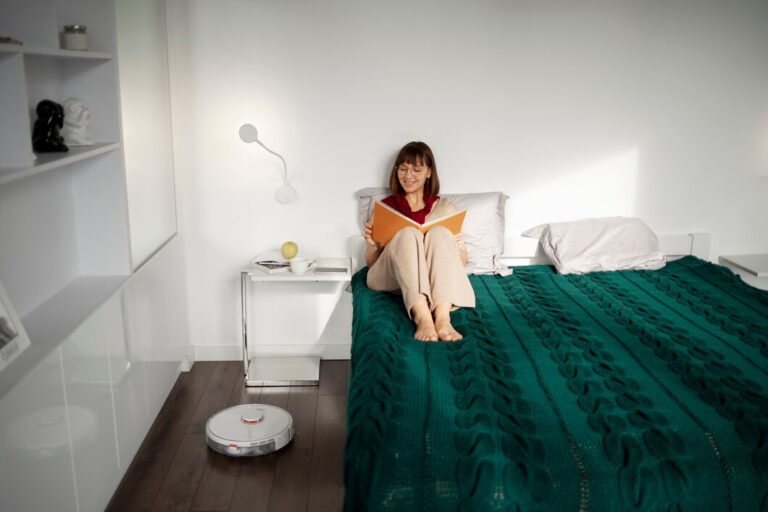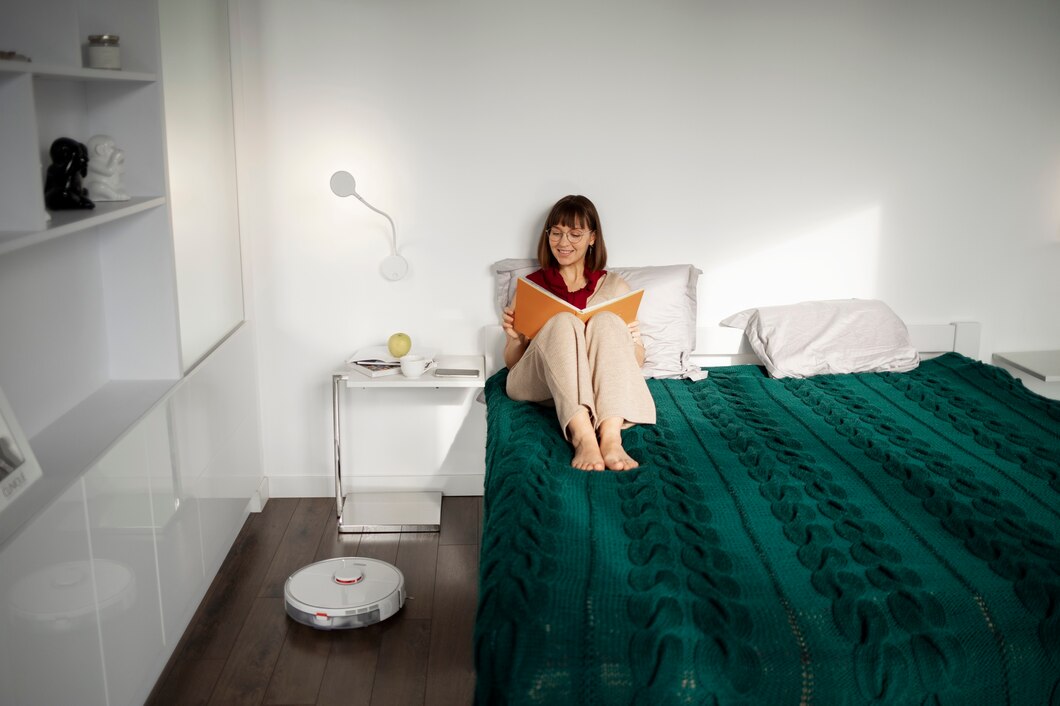
Your bedroom is supposed to be a place for rest, relaxation, and recovery. Yet for many people, it has also become a place for scrolling through social media, answering messages, watching videos, checking emails, and browsing the internet late into the night. Creating a screen-free bedroom can help change that pattern by separating your sleeping space from the constant stimulation of digital devices.
A phone-free bedroom does not mean giving up technology completely. Instead, it means creating intentional boundaries around where and when you use screens. Moving your phone away from the bed, replacing your phone alarm, and establishing simple nighttime rules can make it easier to transition from a busy day into a calmer evening.
A screen-free sleep environment can also encourage healthier routines that do not depend on willpower every night. Rather than reaching for your phone automatically, you can build a bedtime routine around reading, stretching, journaling, conversation, or simply resting.
Why Create a Screen-Free Bedroom?
Creating a screen free bedroom is primarily about changing the environment around your bedtime routine. When your phone, tablet, laptop, or television is within easy reach, checking them can become an automatic behavior.
You may initially intend to check one notification, but that quick check can turn into several minutes of scrolling. The problem is not necessarily the individual activity. It is the repeated pattern of stimulation when your body and mind should be preparing for sleep.
Reduce Bedtime Distractions
Phones provide almost unlimited opportunities for distraction. Notifications, social media feeds, videos, news updates, messages, and online shopping can all compete for your attention.
Removing these devices from the bedroom reduces the number of decisions you have to make at bedtime.
Instead of thinking, Should I check my phone one more time?, you have already established a simple rule: the bedroom is for sleeping and relaxing.
Create a Stronger Sleep Association
Your environment can influence your habits. If you regularly use your bed for entertainment, work, and social media, your brain may begin associating the space with activities other than sleep.
A no screens in bedroom rule can help create a clearer distinction between daytime activities and nighttime rest.
The goal is not to make your bedroom completely inactive. Reading, stretching, meditation, and quiet conversations can all be part of a relaxing nighttime environment.
Make Bedtime Feel Less Rushed
Digital content can make bedtime disappear quickly. You might plan to spend five minutes on your phone and suddenly realize that much more time has passed.
A tech-free bedroom removes one common source of this problem. Without an endless feed to consume, your bedtime routine can become slower and more predictable.
Encourage Intentional Technology Use
Going screen-free at night does not mean technology is harmful in every situation. Instead, it encourages you to decide when technology is useful and when it is simply occupying your attention.
That distinction can be valuable throughout the day as well.
The Biggest Sources of Digital Distraction
Before creating a screen free bedroom, it helps to identify which devices and habits are making your current routine difficult.
Smartphones
For many people, the smartphone is the biggest nighttime distraction.
It can function as an alarm clock, entertainment device, communication tool, camera, shopping platform, news source, and social media hub. Because it performs so many functions, keeping it beside the bed makes it difficult to treat bedtime as a true digital break.
Even when you are not actively using it, notifications can create the temptation to check the screen.
Televisions
A television can turn the bedroom into an entertainment space rather than a dedicated rest environment.
Watching a relaxing program may seem harmless, but autoplay, streaming recommendations, and the desire to finish another episode can extend your bedtime.
If removing the television entirely is not practical, consider moving it to another room or setting a firm shutdown time.
Tablets and E-Readers
Not every screen needs to be treated identically. Some people use tablets or e-readers specifically for reading at night.
However, multifunctional devices can make it easy to switch from reading to social media, email, video, or other content.
A dedicated reading device with limited functionality may make it easier to maintain a phone-free bedroom than a general-purpose tablet.
Laptops
Working from bed can blur the boundary between professional responsibilities and personal time.
If possible, keep laptops outside the bedroom. Creating a physical separation between your workspace and sleeping space can make it easier to mentally transition away from work.
Smart Devices and Notifications
Smart speakers, watches, and other connected devices can also contribute to digital interruptions.
You do not necessarily need to remove every connected device. Instead, review which notifications and alerts are actually necessary during sleeping hours.
How to Make Your Bedroom Screen-Free
Building a screen-free sleep environment does not require a complicated lifestyle overhaul. A few environmental changes can make the habit considerably easier.
Move Charging Stations
One of the simplest strategies is moving your charging station away from your bed.
If your phone charges on the bedside table, it remains within arm’s reach. If it charges across the room or outside the bedroom, checking it becomes less automatic.
You can create a dedicated charging area in:
- The hallway
- A home office
- The living room
- A kitchen counter
- A bedside location that is out of reach
The specific location matters less than creating distance between your sleeping space and your phone.
If you need your phone for emergency communication, you can keep it accessible without placing it directly beside your pillow. Emergency contacts and important alerts can also be configured separately where your device supports those options.
Replace Your Phone Alarm
One of the most common reasons people keep their phones beside the bed is the alarm.
Replacing your phone alarm with a traditional alarm clock can remove that excuse.
A basic alarm clock can perform the essential job without giving you access to an endless stream of notifications immediately after waking.
This can also support a screen-free morning. Instead of opening your phone as soon as the alarm rings, you can get out of bed, stretch, drink water, or begin your morning routine first.
Set Bedroom Rules
Clear rules can make a tech-free bedroom easier to maintain.
Your rules might include:
- No social media in the bedroom.
- No work emails after your evening cutoff.
- No television while getting ready for sleep.
- Phones stay outside the bedroom overnight.
- Tablets are not used in bed.
- Screens are turned off at a specific time.
The rules do not have to be identical for everyone. Choose boundaries that address your biggest distractions.
If a complete no screens in bedroom policy feels too difficult initially, start with one device. For example, remove your phone from the bedroom for one week and observe how your routine changes.
What to Do Instead of Scrolling Before Bed
Removing screens creates an empty space in your routine. That space needs something to replace the old behavior.
If you simply put your phone away without planning an alternative, boredom may tempt you to bring it back.
Try replacing digital activities with simple offline habits.
Read a Physical Book
Reading can provide a relaxing transition between daytime activity and bedtime.
Choose something enjoyable rather than something that creates additional pressure. Fiction, biographies, magazines, or light nonfiction can all work.
Write in a Journal
Journaling gives you an opportunity to put thoughts on paper rather than carrying them into bed.
You might write about:
- What happened during the day
- Things you are grateful for
- Tasks for tomorrow
- Thoughts that are occupying your mind
- Personal goals
- Positive moments from the day
A short five-minute journal entry can be enough.
Try Gentle Stretching
Light stretching can become a simple physical signal that the day is winding down.
Focus on slow, comfortable movements rather than an intense workout. The purpose is to transition into relaxation.
Practice Breathing Exercises
Slow breathing can become part of a quiet bedtime routine.
You can sit or lie comfortably and focus your attention on steady, relaxed breathing. The exercise does not need to be complicated.
Prepare for Tomorrow
Instead of checking tomorrow’s tasks on your phone, write down the most important things you need to remember.
Preparing clothing, organizing your bag, or making a short to-do list can also reduce the temptation to mentally rehearse tomorrow’s responsibilities while lying in bed.
Listen to Offline Audio
If you enjoy audio before bed, consider using a device that does not provide access to social media and other distractions.
A simple audio player, downloaded audiobook, or offline music can provide entertainment without turning bedtime into another browsing session.
Talk With Someone
If you share your bedroom or home with a partner or family member, use some of your screen-free time for conversation.
Even a short discussion about the day can create a stronger sense of connection than sitting beside each other while looking at separate screens.
How to Maintain the Habit
Starting a screen free bedroom is one thing; maintaining it is another. The key is to make the desired behavior convenient and the unwanted behavior inconvenient.
Start Gradually
You don’t have to change your entire routine all at once.
Try starting with 30 minutes without screens before bed. Once that feels comfortable, increase the period to an hour.
Eventually, you may decide that keeping devices outside the bedroom overnight works best for you.
Create a Consistent Cutoff Time
Choose a time when screens leave your evening routine.
For example, if you usually go to bed at 11:00 p.m., you might establish a 10:00 p.m. digital cutoff.
Consistency is more important than choosing a perfect time.
Use Device Settings Before Leaving Your Phone
If you need your phone for essential communication, prepare it before putting it away.
You can use features such as:
- Do Not Disturb
- Focus modes
- Scheduled notification controls
- Reduced notifications
- Emergency contact exceptions
- Automatic nighttime settings
This allows you to create boundaries without completely disconnecting from important communications.
Keep Alternatives Nearby
Make your bedroom inviting for non-digital activities.
Keep a book, notebook, pen, or comfortable reading light available. If alternatives are easy to reach, you are less likely to return to your phone simply because you do not know what else to do.
Expect Occasional Setbacks
You may eventually bring your phone back into the bedroom, stay up watching something, or spend longer scrolling than intended.
That does not mean the habit has failed.
Instead of abandoning the routine, return to it the following night. Sustainable behavior change usually comes from repeated practice rather than perfect consistency.
Make the Rule Household-Friendly
If you live with other people, discuss the bedroom technology rules together.
Different people may have different requirements. Someone may need a device for work, health-related monitoring, or emergency communication. A practical approach should account for those needs rather than creating unnecessary restrictions.
The Connection Between a Screen-Free Bedroom and Digital Wellness
A screen free bedroom is not simply a sleep strategy. It can also serve as an important part of a more comprehensive digital wellness strategy.
Digital wellness involves being intentional about how technology fits into your life. Instead of allowing every notification to determine your attention, you create spaces and periods where technology has a limited role.
The bedroom can be one of those spaces.
When your bedroom becomes associated with quiet activities rather than endless digital content, you create a physical boundary between connected time and personal downtime.
This can be especially useful if you already spend much of the day using computers and smartphones for work, education, communication, or entertainment.
The objective is not to eliminate technology. It is to prevent technology from occupying every part of your day.
FAQ
What is a screen-free bedroom?
A screen-free bedroom is a sleeping space where devices such as smartphones, televisions, tablets, and laptops are not used as part of the normal nighttime routine. The exact rules can vary depending on personal needs.
Does a phone-free bedroom mean I cannot keep my phone nearby?
Not necessarily. A phone-free bedroom usually means keeping the phone out of regular bedtime use. If you need your phone for emergencies or essential communication, you can keep it accessible while using notification controls and placing it away from the bed.
What are some effective ways to avoid using your phone while you’re in bed?
Start by moving your charging station away from the bed and replacing your phone alarm with a traditional alarm clock. Then establish a specific cutoff time and choose an offline activity such as reading or journaling.
What are some relaxing activities I can try instead of scrolling on my phone before going to sleep?
You can read a physical book, journal, stretch, practice breathing exercises, prepare for the next day, listen to offline audio, or have a quiet conversation.
Is watching television in the bedroom a bad habit?
It depends on how it affects your routine. If television regularly causes you to delay bedtime or keeps you engaged when you intend to sleep, removing it from the bedroom may help create a clearer nighttime boundary.
How long should I avoid screens before bed?
There is no single period that works perfectly for everyone. Start with a manageable window, such as 30–60 minutes, and adjust it according to your routine and how you feel.
How do I make a screen-free bedroom easier?
Make the environment support your goal. Move chargers away from the bed, use a separate alarm clock, keep a book nearby, establish consistent rules, and use device settings to reduce nighttime notifications.
Can a screen-free bedroom improve digital habits during the day?
It can contribute to healthier technology boundaries by creating a predictable period when you are not actively engaging with screens. That habit may also make it easier to become more intentional about technology use during other parts of the day.
Final Thoughts
Creating a screen free bedroom is a simple way to establish a stronger boundary between technology and rest. You do not need expensive equipment or an elaborate routine. Moving your phone charger, replacing your phone alarm, setting clear bedroom rules, and finding enjoyable offline activities can make a meaningful difference to your nighttime environment.
The biggest advantage of a screen-free sleep environment is that it removes many digital distractions before they have a chance to become habits. Instead of ending the day with notifications, endless scrolling, and digital entertainment, you can create a slower routine centered around reading, reflection, relaxation, and preparation for tomorrow.
A tech-free bedroom does not have to mean rejecting technology altogether. It simply gives your bedroom a specific purpose: a place to disconnect from the digital world and make room for rest.
About the Author