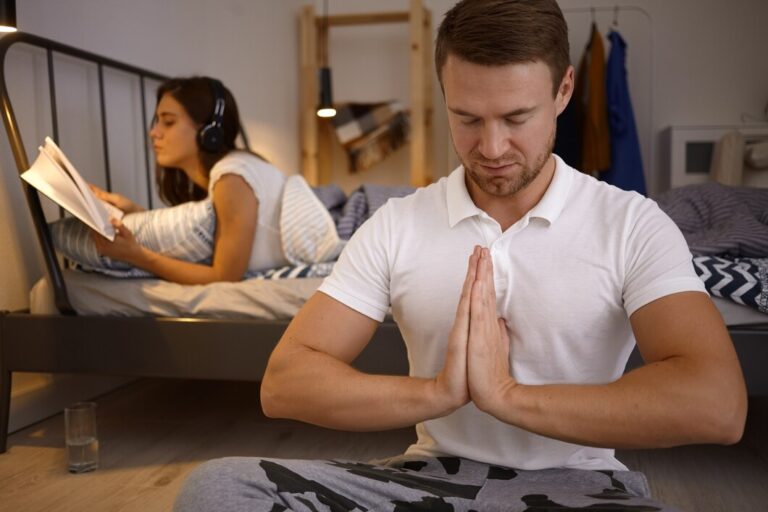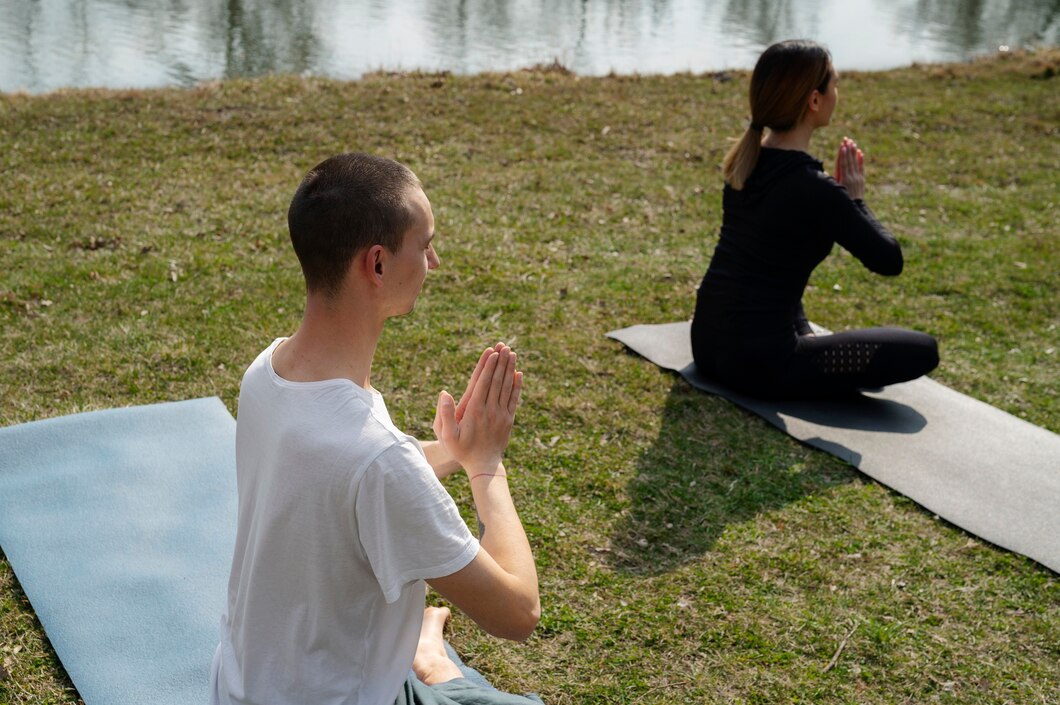
Meditation has become one of the most effective ways to reduce stress, improve focus, and support overall well-being. However, one of the first questions new practitioners ask is about Guided vs Unguided Meditation. Understanding the difference can help you build a sustainable meditation habit that fits your lifestyle. Whether you’re looking for Meditation for beginners, following a Beginner meditation guide, exploring different Types of meditation, or comparing the Guided meditation benefits and Unguided meditation benefits, choosing the right approach is important.
From learning practical Meditation techniques and practicing Mindfulness meditation to trying Self-guided meditation, building a consistent Meditation practice, establishing Daily meditation routines, and discovering useful Meditation tips for beginners, this guide will help you learn the most effective way to meditate with confidence. You’ll also learn about Mindfulness for beginners, creating a healthy Meditation routine, using Guided mindfulness, exploring Silent meditation, building lasting Meditation habits, and developing a strong Beginner mindfulness practice that supports long-term mental and emotional wellness.
What Is Meditation?
Meditation is the practice of intentionally focusing your attention to achieve greater awareness, emotional balance, and inner calm. Rather than stopping your thoughts entirely, meditation teaches you to observe them without judgment.
People meditate for many reasons, including:
- Reducing stress
- Improving focus
- Managing anxiety
- Enhancing emotional resilience
- Sleeping better
- Increasing self-awareness
- Supporting personal growth
Meditation doesn’t require expensive equipment or special skills. All you need is a quiet space, a few minutes of uninterrupted time, and consistency.
Understanding the Types of Meditation
Before comparing guided and unguided meditation, it’s helpful to understand the common Types of meditation available today.
Some of the most popular include:
- Mindfulness meditation
- Guided meditation
- Silent meditation
- Loving-kindness meditation
- Body scan meditation
- Breath awareness meditation
- Walking meditation
- Transcendental meditation
- Visualization meditation
- Zen meditation
Among these, guided and unguided meditation are the most common starting points for beginners.
What Is Guided Meditation?
Guided meditation involves following spoken instructions from a teacher, meditation app, recorded audio, or live instructor.
The guide leads you through the meditation by offering prompts such as:
- Focus on your breathing.
- Relax your shoulders.
- Observe your thoughts.
- Visualize a peaceful place.
- Return your attention to your breath.
This structure makes meditation feel less intimidating for people who are just getting started.
What Is Unguided Meditation?
Unguided meditation, also called Self-guided meditation, involves meditating without spoken instructions.
Instead of listening to someone else, you independently choose your focus.
You may concentrate on:
- Your breathing
- Body sensations
- Sounds around you
- A mantra
- Thoughts passing by
- Present-moment awareness
This style offers greater freedom but often requires more experience and self-discipline.
Guided vs Unguided Meditation for Beginners
When comparing Guided vs unguided meditation for beginners, neither method is universally better. The best option varies based on your personal preferences, objectives, and level of experience.
Guided Meditation
Ideal for:
- Complete beginners
- People with busy minds
- Individuals experiencing anxiety
- Those who prefer structure
- Anyone learning meditation techniques
Unguided Meditation
Ideal for:
- Experienced meditators
- People comfortable with silence
- Individuals wanting independence
- Those building deeper mindfulness
- Practitioners seeking flexibility
For most beginners, guided meditation provides a smoother introduction.
Guided Meditation Benefits
There are many Benefits of guided meditation for beginners, especially during the early stages of learning.
1. Easy to Follow
New meditators often wonder if they’re “doing meditation correctly.”
Guided sessions remove uncertainty by providing step-by-step instructions.
This reduces frustration and builds confidence.
2. Helps Reduce Wandering Thoughts
One of the biggest challenges for beginners is maintaining attention.
A guide regularly reminds you to return your focus to the breath or present moment.
This makes meditation less overwhelming.
3. Creates Consistency
Listening to a guided session each day encourages a regular Meditation routine.
Consistency is far more important than session length.
Even 10 minutes daily can produce meaningful benefits.
4. Excellent for Anxiety Relief
People experiencing stress often struggle with racing thoughts.
Stress relief meditation and Anxiety relief meditation recordings provide calming instructions that help settle the nervous system.
5. Supports Better Relaxation
Many guided meditations include:
- Progressive muscle relaxation
- Visualization
- Body scanning
- Gentle breathing
These techniques help create a deep sense of physical and emotional relaxation.
Unguided Meditation Benefits
Although guided meditation is beginner-friendly, Unguided meditation benefits become increasingly valuable over time.
Greater Independence
You aren’t dependent on recordings or instructors.
You can meditate anywhere, anytime.
Improved Focus
Without external guidance, you develop stronger concentration by managing distractions independently.
Deeper Self-Awareness
Silent practice often encourages more honest observation of thoughts, emotions, and habits.
This strengthens emotional intelligence.
Flexible Practice
Unguided meditation allows you to:
- Choose your duration
- Change techniques
- Follow your natural rhythm
- Explore personal preferences
Builds Confidence
Successfully meditating independently helps create long-term confidence in your practice.
Guided Meditation vs Silent Meditation
Many beginners compare Guided meditation vs silent meditation.
| Guided Meditation | Silent Meditation |
| Spoken instructions | No instructions |
| Beginner-friendly | Better for experienced practitioners |
| Easier focus | Requires greater concentration |
| Structured sessions | Flexible practice |
| Helpful during anxiety | Encourages deeper independence |
Silent meditation isn’t necessarily harder—it simply asks more from your attention.
Which Meditation Is Best for Beginners?
Many people ask, Which meditation is best for beginners?
For most individuals, guided meditation is the ideal starting point because it:
- Provides structure
- Builds confidence
- Teaches proper techniques
- Makes consistency easier
- Reduces uncertainty
After several weeks or months, many practitioners naturally transition into self-guided sessions.
How to Choose Between Guided and Unguided Meditation
If you’re wondering How to choose between guided and unguided meditation, consider these questions.
Do you struggle to stay focused?
Choose guided meditation.
Do you enjoy structured learning?
Guided meditation will likely suit you better.
Are you already comfortable with mindfulness?
Unguided meditation may feel more natural.
Do you prefer complete silence?
Self-guided practice offers greater flexibility.
Are you easily distracted?
Begin with guided sessions before transitioning to silent practice.
How to Start a Meditation Practice
If you’re wondering How to start a meditation practice, follow these simple steps.
Step 1: Choose a Quiet Space
Find a comfortable location where interruptions are minimal.
Step 2: Start Small
Begin with 5–10 minutes daily.
Long sessions aren’t necessary.
Step 3: Focus on Your Breath
Use Mindful breathing as your primary anchor.
Notice each inhale and exhale naturally.
Step 4: Accept Wandering Thoughts
Your mind will wander.
This is normal.
Simply notice it and gently return your attention to your breath.
Step 5: Practice Consistently
Daily practice creates stronger results than occasional long sessions.
Meditation Techniques Beginners Should Try
Several Beginner-friendly meditation techniques are especially effective.
Breath Awareness
Observe your breathing without trying to change it.
Body Scan
Slowly notice physical sensations from head to toe.
Loving-Kindness Meditation
Silently repeat positive wishes toward yourself and others.
Visualization
Imagine peaceful natural settings like forests, beaches, or mountains.
Counting Breaths
Count each breath from one to ten before repeating.
This helps improve Focus and concentration.
Daily Meditation Tips for Beginners
These Daily meditation tips for beginners can help build lasting habits.
Meditate at the Same Time
Morning meditation often creates better consistency.
Don’t Chase Perfection
Meditation isn’t about eliminating thoughts.
It’s about noticing them.
Sit Comfortably
You don’t need complicated sitting positions.
A comfortable chair works perfectly.
Use Gentle Reminders
Calendar notifications can help establish regular practice.
Celebrate Small Progress
Every session contributes to long-term growth.
Should Beginners Use a Meditation App?
A Meditation app can be a valuable learning tool.
Many apps provide:
- Guided sessions
- Sleep meditations
- Breathing exercises
- Relaxation music
- Progress tracking
- Daily reminders
While apps make meditation accessible, remember that they are simply tools. The ultimate goal is developing your own sustainable meditation practice.
Mindfulness Meditation and Everyday Life
Mindfulness meditation extends beyond formal sessions.
You can practice mindfulness while:
- Eating meals
- Walking
- Washing dishes
- Driving
- Drinking tea
- Gardening
- Exercising
Being fully present transforms ordinary moments into opportunities for mindfulness.
This strengthens your overall Mindfulness practice.
Meditation Habits That Last
Creating lasting Meditation habits requires simplicity.
Helpful strategies include:
- Pair meditation with an existing habit.
- Practice before checking your phone.
- Keep your meditation space inviting.
- Track consistency instead of duration.
- Focus on progress rather than perfection.
Small habits become lifelong routines.
Common Beginner Mistakes
Avoid these common mistakes.
Expecting Instant Results
Meditation is a skill that develops gradually.
Meditating Only During Stress
Practice regularly instead of waiting until you’re overwhelmed.
Judging Yourself
Every meditator experiences distractions.
Self-compassion is essential.
Trying Too Many Techniques
Master one technique before experimenting with others.
Comparing Yourself
Everyone’s meditation journey is unique.
How Meditation Supports Mental Wellness
A regular meditation practice contributes significantly to Mental wellness by calming the nervous system and reducing emotional overload. Instead of reacting automatically to stressful situations, meditation encourages thoughtful responses and emotional balance.
People who meditate consistently often report:
- Reduced stress
- Better emotional regulation
- Improved patience
- Enhanced resilience
- Greater optimism
- Better sleep quality
- Increased productivity
These improvements develop gradually through consistent practice rather than overnight transformation.
Emotional Well-Being Through Meditation
Meditation encourages healthier relationships with thoughts and emotions.
Instead of suppressing difficult feelings, meditation teaches acceptance and observation.
This strengthens Emotional well-being by helping individuals:
- Understand emotional triggers
- Respond calmly during conflict
- Reduce negative thinking
- Increase compassion
- Build confidence
These emotional skills benefit every aspect of life.
Relaxation Techniques That Complement Meditation
Meditation works even better when combined with other Relaxation techniques.
Examples include:
- Deep breathing exercises
- Gentle stretching
- Yoga
- Progressive muscle relaxation
- Nature walks
- Journaling
- Listening to calming music
Together, these practices create a holistic approach to stress management.
Building a Healthy Lifestyle Through Meditation
Meditation supports broader Healthy lifestyle habits by encouraging intentional choices throughout the day. Many people notice improvements in sleep, eating habits, patience, and overall energy after establishing a regular meditation routine.
A mindful lifestyle often includes:
- Balanced nutrition
- Regular physical activity
- Quality sleep
- Positive social relationships
- Time outdoors
- Daily reflection
- Reduced screen time
These habits reinforce the positive effects of meditation and contribute to long-term health.
Can You Combine Guided and Unguided Meditation?
Absolutely. Many experienced meditators use both methods depending on their needs.
For example:
- Use guided meditation on stressful days.
- Practice silent meditation during peaceful mornings.
- Follow guided sleep meditations at night.
- Use self-guided breathing exercises during work breaks.
This flexible approach helps maintain variety while supporting consistent practice.
Conclusion
When comparing Guided vs Unguided Meditation, there is no single answer that works for everyone. Guided meditation provides structure, encouragement, and clear instruction, making it the Best meditation method for beginners. It simplifies learning, supports consistency, and helps new practitioners build confidence through Guided mindfulness and practical meditation exercises. As experience grows, many people naturally explore Silent meditation and Self-guided meditation, developing greater independence and deeper self-awareness.
Whether your goal is Stress relief meditation, Anxiety relief meditation, improved Focus and concentration, a Calm mind, stronger Self-awareness, or better overall Mental wellness, the most important factor is consistency. Start with just a few minutes each day, practice Mindful breathing, build sustainable Meditation habits, and gradually expand your routine. Over time, meditation becomes more than a daily activity—it becomes a lifelong tool for emotional balance, personal growth, and healthier living.
About the Author