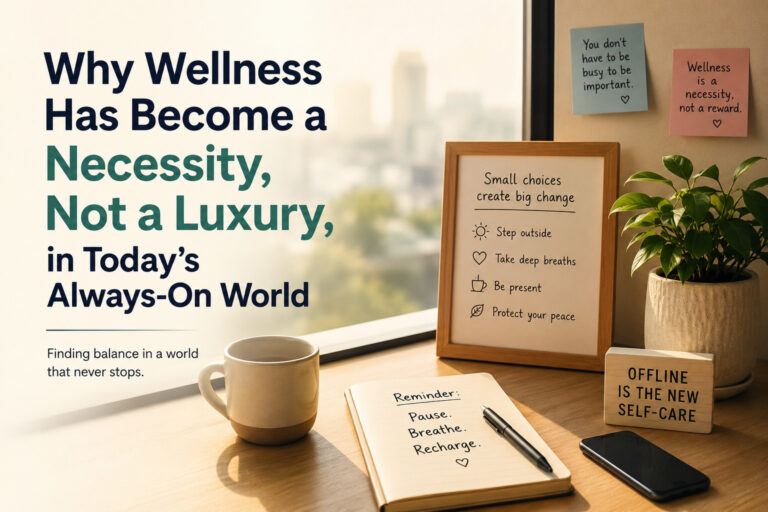
In a time where screens dominate how we work, communicate, and relax, learning how to create a balanced life in a digital world has become essential for long-term wellbeing. From smartphones and laptops to social media and streaming platforms, technology shapes nearly every part of our day. While it offers convenience and endless opportunities, it also blurs the boundaries between work and personal life. Understanding how to design a balanced life, achieve digital life balance, and develop intentional habits is the key to thriving in today’s hyper-connected environment.
Understanding the Need for Balance in a Digital Era
The modern lifestyle is deeply intertwined with technology. Emails arrive at all hours, workspaces exist in our pockets, and entertainment is just a tap away. While this connectivity boosts efficiency, it also creates challenges in achieving a healthy work-life balance in digital age.
Without boundaries, people often find themselves:
- Working beyond office hours
- Constantly checking notifications
- Feeling mentally drained
- Struggling with focus and productivity
- Losing connection with real-life experiences
This is why learning to balance technology and life is not just beneficial—it’s necessary.
What Does a Balanced Digital Life Look Like?
A healthy digital lifestyle doesn’t mean avoiding technology. Instead, it involves using it in a way that supports your goals, mental health, and relationships.
A well-balanced digital life includes:
- Purposeful use of technology
- Clear separation between work and personal time
- Regular offline activities
- Mindful engagement with digital platforms
- Controlled and intentional screen time management
When you achieve this balance, technology becomes a tool rather than a source of stress.
The Foundations of Digital Life Balance
To truly understand how to create a balanced life in a digital world, you need to focus on a few core principles:
1. Awareness of Digital Habits
The first step in how to design a balanced life is awareness. Many people underestimate how much time they spend online.
Track:
- Daily screen time
- Most-used apps
- Time spent on work vs. leisure
This awareness helps you identify areas where managing screen time effectively is needed.
2. Setting Clear Boundaries
Boundaries are essential for balancing work and personal life online.
Examples include:
- No work emails after a certain time
- Screen-free meals
- Dedicated work hours
These boundaries help maintain an online-offline balance and prevent burnout.
3. Prioritizing What Truly Matters
Not all digital activities are equally valuable. Some contribute to growth, while others drain energy.
Ask yourself:
- Does this activity add value?
- Is it necessary or just a habit?
This approach aligns with digital minimalism, where you focus only on meaningful digital engagement.
Managing Screen Time Effectively
One of the biggest challenges today is managing screen time effectively. Excessive screen usage impacts productivity, sleep, and overall health.
Practical Screen Time Management Strategies
- Set daily limits for non-essential apps
- Use built-in screen trackers
- Take regular breaks
- Avoid multitasking across devices
These steps improve screen time management and support a healthier routine.
Building a Healthy Digital Lifestyle
A healthy digital lifestyle is built on consistent habits. It’s not about perfection but about making better choices daily.
Daily Digital Lifestyle Habits
- Start your day without screens
- Schedule focused work sessions
- Take breaks away from devices
- Limit social media usage
- End your day with offline activities
These digital lifestyle habits help you maintain balance and clarity.
Work-Life Balance in the Digital Age
Achieving work-life balance in digital age is one of the biggest challenges professionals face today.
Why It’s Harder Now
- Remote work blurs boundaries
- Constant connectivity increases expectations
- Digital tools make it harder to “switch off”
Strategies for Balancing Work and Personal Life Online
1. Create a Dedicated Workspace
Separate your work environment from your relaxation space.
2. Set Work Hours
Stick to fixed schedules, even when working remotely.
3. Use Time Blocking
Plan your day in segments to improve time management in digital age.
4. Take Real Breaks
Step away from screens during breaks.
5. Communicate Boundaries
Let colleagues know your availability.
These strategies help maintain a clear divide between professional and personal life.
Mindful Technology Use
Practicing mindful technology use is essential for maintaining balance.
What is Mindful Technology Use?
It means being intentional about:
- When you use technology
- Why you use it
- How it makes you feel
How to Practice Mindfulness Online
- Pause before opening apps
- Avoid mindless scrolling
- Focus on one task at a time
- Reflect on your digital habits
This approach reduces stress and supports maintaining mental health in digital age.
The Role of Digital Minimalism
Digital minimalism is about simplifying your digital life to focus on what truly matters.
Key Principles
- Remove unnecessary apps
- Reduce social media usage
- Limit notifications
- Focus on quality over quantity
This approach helps achieve a sustainable digital life balance.
Digital Detox Lifestyle: Resetting Your Mind
A digital detox lifestyle involves regularly disconnecting from technology to recharge.
Benefits of a Digital Detox Routine
- Improved focus
- Reduced stress
- Better sleep
- Increased productivity
- Stronger real-life connections
Creating a Digital Detox Routine
Start small:
- No screens for the first hour of the day
- Offline evenings once a week
- Weekend digital breaks
A consistent digital detox routine helps restore mental clarity and balance.
Tips to Balance Screen Time and Real Life
Finding the right online-offline balance requires effort and consistency.
Practical Tips
- Schedule offline activities
- Spend time outdoors
- Engage in hobbies
- Prioritize face-to-face interactions
- Limit passive screen time
These tips to balance screen time and real life help create a more fulfilling lifestyle.
Time Management in the Digital Age
Effective time management in digital age is crucial for maintaining balance.
Common Time Wasters
- Social media scrolling
- Unnecessary notifications
- Multitasking
- Overchecking emails
Better Time Management Strategies
- Use productivity tools wisely
- Set clear priorities
- Avoid distractions
- Focus on deep work
These strategies improve efficiency and support a balanced life.
Maintaining Mental Health in the Digital Age
Digital overload can impact emotional wellbeing. That’s why maintaining mental health in digital age should be a priority.
Signs of Digital Burnout
- Constant fatigue
- Difficulty concentrating
- Irritability
- Reduced motivation
How to Protect Your Mental Health
- Limit exposure to negative content
- Take regular breaks
- Practice mindfulness
- Stay connected with loved ones
A balanced digital lifestyle supports both mental and emotional health.
Balancing Work, Relationships, and Personal Time
One of the biggest challenges today is balancing work and personal life online while maintaining meaningful relationships.
How to Strengthen Real-Life Connections
- Spend quality time without devices
- Be fully present in conversations
- Schedule regular meetups
- Limit phone use during interactions
Strong relationships are essential for a balanced life.
Creating a Personalized Balanced Life Plan
There’s no one-size-fits-all approach to how to create a balanced life in a digital world. You need a plan that fits your lifestyle.
Step-by-Step Plan
- Assess your current habits
- Identify problem areas
- Set realistic goals
- Build new habits gradually
- Track your progress
Consistency is key to achieving lasting results.
The Importance of Discipline and Consistency
Without discipline, even the best strategies won’t work.
How to Stay Consistent
- Start small
- Build routines
- Stay accountable
- Celebrate progress
Consistency transforms temporary changes into lasting habits.
The Future of Digital Life Balance
As technology continues to evolve, maintaining a digital life balance will become even more important. With advancements in AI, remote work, and virtual environments, the challenge will be to stay in control rather than letting technology take over.
Final Thoughts
Designing a balanced life in a digital world is not about rejecting technology—it’s about using it wisely. By focusing on mindful technology use, building strong digital lifestyle habits, and maintaining a healthy online-offline balance, you can create a life that is both productive and fulfilling.
Start with small steps. Stay consistent. Prioritize what truly matters.
Because in a world that never logs off, your balance is your greatest strength.
About the Author