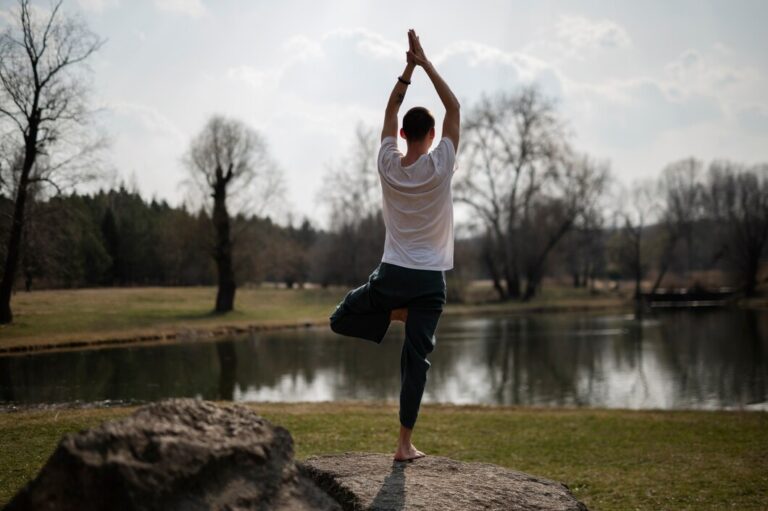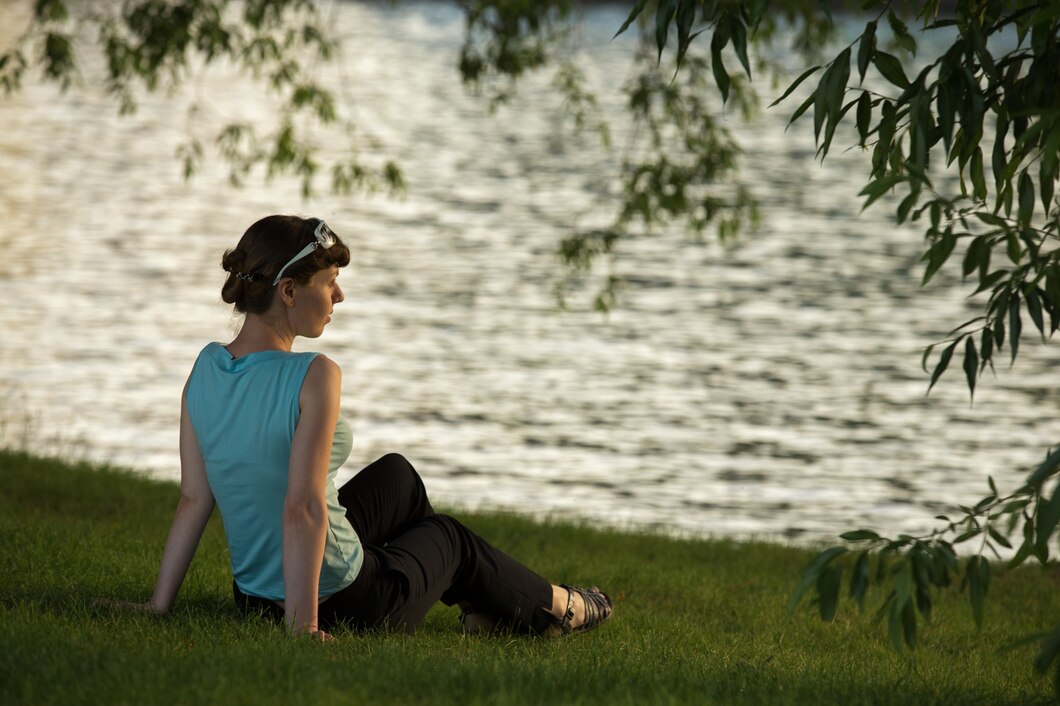
In a fast-paced, overstimulated world, nature-based healing has emerged as one of the most effective and accessible ways to calm anxiety, restore focus, and improve emotional wellbeing. More people are turning toward nature therapy for anxiety, healing through nature practices, wellness retreats, and holistic therapy services as a natural alternative to constant stress and digital overload.
From forest bathing for anxiety to simple nature walks for mental health, reconnecting with the natural world provides powerful support for emotional balance, cognitive clarity, and long-term resilience. This comprehensive guide explores the science behind nature therapy for mental health, eco-therapy benefits, and practical ways to integrate nature-based mental wellness into everyday life.
The Growing Need for Nature and Mental Health Support
Modern life exposes us to chronic stressors:
- Digital overstimulation
- Urban noise pollution
- Long work hours
- Limited sunlight exposure
- Reduced physical movement
These factors significantly impact nature and mental health. Anxiety disorders, attention difficulties, and emotional fatigue are rising globally. While therapy and medication remain important, many people are seeking complementary natural remedies for anxiety that feel grounding and restorative.
Nature offers something unique: it regulates the nervous system without effort. Unlike structured coping strategies that require concentration, healing through nature works passively and physiologically.
The Science Behind Nature Therapy for Mental Health
Understanding how nature-based healing helps anxiety and focus begins with neuroscience.
1. Nervous System Regulation
Exposure to green spaces reduces cortisol (the stress hormone). Time outdoors activates the parasympathetic nervous system — responsible for “rest and digest” functions — shifting the body away from fight-or-flight mode.
2. Reduced Rumination
Studies show that spending time in natural environments reduces activity in the brain’s subgenual prefrontal cortex, a region associated with repetitive negative thinking.
3. Attention Restoration Theory
Nature gently captures attention without demanding it. This allows the brain’s directed attention system — fatigued by screens and problem-solving — to recover.
4. Sensory Grounding
Natural environments provide soothing sensory input:
- Rustling leaves
- Flowing water
- Birdsong
- Fresh air
These stimuli stabilize mood and promote mental clarity.
The science behind nature therapy for mental health clearly shows that the human brain is wired to respond positively to natural environments.
Forest Bathing for Anxiety
What Is Forest Bathing?
Originating in Japan as Shinrin-yoku, forest bathing involves immersing yourself in a wooded environment mindfully, engaging all five senses.
Benefits of Forest Therapy for Anxiety
- Lowers blood pressure
- Reduces heart rate
- Boosts immune function
- Enhances mood
- Improves focus
Forest bathing for anxiety is not hiking for fitness — it’s slow, intentional presence.
Simple Forest Bathing Ritual:
- Walk slowly without a goal.
- Breathe deeply.
- Notice textures, colors, sounds.
- Sit quietly for 10–15 minutes.
Even 20 minutes can significantly reduce stress.
Nature Walks for Mental Health
Nature walks for mental health are one of the simplest and most effective forms of outdoor therapy for stress.
Unlike treadmill exercise, outdoor walking provides:
- Visual depth
- Natural light exposure
- Varied terrain
- Fresh air
How Nature Reduces Anxiety During Walks
- Rhythmic movement calms the mind
- Sunlight boosts serotonin
- Green landscapes reduce cognitive overload
- Natural sounds reduce mental chatter
Even 15–30 minutes daily supports nature-based mental wellness.
Eco-Therapy Benefits Explained
Eco-therapy, also known as nature therapy for anxiety, integrates psychological techniques with outdoor experiences.
Common eco-therapy practices include:
- Guided nature walks
- Wilderness therapy
- Gardening therapy
- Animal-assisted outdoor therapy
- Nature journaling
Core Eco-Therapy Benefits
- Improved mood stability
- Reduced anxiety symptoms
- Increased self-awareness
- Strengthened resilience
- Enhanced focus
Outdoor therapy for stress creates a dual healing pathway: emotional processing combined with physiological regulation.
Wellness Retreats Focused on Nature-Based Mental Wellness
Wellness retreats centered on nature-based healing are becoming increasingly popular.
These retreats combine:
- Guided forest bathing
- Yoga in natural settings
- Meditation outdoors
- Nutritional counseling
- Holistic therapy services
Why Wellness Retreats Work
- Remove daily distractions
- Provide structured immersion in nature
- Offer professional support
- Encourage digital detox
- Foster emotional reset
Immersive experiences amplify eco-therapy benefits.
Holistic Therapy Services That Incorporate Nature
Many holistic therapy services now integrate nature-based approaches into traditional counseling.
These may include:
- Outdoor psychotherapy sessions
- Walking therapy
- Equine therapy
- Adventure-based therapy
Combining talk therapy with healing through nature enhances openness and emotional processing.
How Nature-Based Healing Helps Anxiety and Focus
1. Reduces Hyperarousal
Natural environments lower physiological stress markers.
2. Restores Cognitive Bandwidth
Nature reduces mental fatigue caused by constant screen exposure.
3. Enhances Mindfulness
Outdoor awareness promotes present-moment focus.
4. Improves Sleep
Sunlight exposure regulates circadian rhythms.
These combined effects explain how nature reduces anxiety while enhancing productivity.
Simple Nature Rituals for Emotional Wellbeing
You don’t need a forest to practice nature-based mental wellness.
Morning Sunlight Ritual
Spend 5–10 minutes outside within an hour of waking.
Barefoot Grounding
Walk on grass or sand to reconnect physically.
Nature Journaling
Write reflections outdoors once per week.
Plant Care Practice
Indoor plants also support emotional regulation.
Sunset Pause
Watch the sky change colors without devices.
Small rituals create daily habits for nature-based mental wellness.
Best Outdoor Practices for Stress Relief
Here are evidence-supported outdoor therapy for stress methods:
1. Water Exposure
Being near water reduces anxiety significantly.
2. Gardening Therapy
Gardening improves mood, patience, and focus.
3. Breathwork in Nature
Deep breathing outdoors enhances oxygenation and relaxation.
4. Grounding Meditation
Sit directly on natural surfaces and focus on breath.
Natural Remedies for Anxiety Through Environment
Nature-based healing complements traditional treatments.
Environmental strategies include:
- Increased daylight exposure
- Reduced artificial lighting at night
- Limiting indoor confinement
- Weekly green space visits
These habits support nature and mental health long term.
How to Use Nature for Mental Clarity
When overwhelmed:
- Step outside immediately.
- Focus on a single natural element.
- Take 10 slow breaths.
- Avoid phone use.
Nature interrupts stress loops and restores clarity.
Daily Habits for Nature-Based Mental Wellness
Consistency matters more than intensity.
- 20-minute daily outdoor time
- Weekly long nature walk
- Monthly nature day trip
- Seasonal retreats
These habits create cumulative eco-therapy benefits.
Outdoor Therapy for Stress in Urban Areas
Even cities offer options:
- Public parks
- Rooftop gardens
- Community gardens
- Tree-lined streets
- Botanical gardens
Nature therapy for anxiety doesn’t require wilderness — small green exposures still help.
Healing Through Nature and Emotional Resilience
Nature provides emotional symbolism:
- Seasons reflect change
- Trees represent growth
- Rivers symbolize flow
Engaging with these metaphors deepens emotional processing.
Addressing Focus and Attention Through Nature
Children and adults with focus challenges benefit significantly from green exposure.
Studies show that children with attention difficulties improve concentration after park visits compared to urban settings.
Nature-based mental wellness enhances executive functioning and creative thinking.
Integrating Nature with Digital Detox
Technology overstimulation increases anxiety.
Pair nature-based healing with:
- Phone-free walks
- Weekend outdoor challenges
- Tech-free mornings
Combining digital reduction with outdoor exposure multiplies benefits.
Long-Term Emotional Wellbeing Through Nature
Nature-based healing is not a quick fix — it is a lifestyle.
Long-term benefits include:
- Lower baseline anxiety
- Improved emotional regulation
- Greater patience
- Increased gratitude
- Enhanced life satisfaction
The benefits of forest therapy for anxiety accumulate over time.
Creating a Personal Nature Wellness Plan
Ask yourself:
- How often do I go outside?
- What natural environments feel most calming?
- Can I integrate outdoor therapy for stress weekly?
- Would a wellness retreat support deeper healing?
Build your own sustainable rhythm.
Final Thoughts: Returning to Our Natural State
Nature-based healing reminds us that the human nervous system evolved outdoors. Our brains respond instinctively to trees, water, sunlight, and fresh air.
By practicing forest bathing for anxiety, taking intentional nature walks for mental health, exploring eco-therapy benefits, and incorporating holistic therapy services or wellness retreats when needed, we cultivate resilience from the inside out.
Healing through nature is not complicated — it is accessible, gentle, and deeply restorative.
When we reconnect with the natural world, we rediscover emotional balance, mental clarity, and calm focus.
Nature is not just scenery.
It is medicine.
About the Author